If your couch or upholstered furniture has started collecting visible stains, you have probably wondered whether steam cleaning remove stains from upholstery or if those marks are permanent. Many homeowners across Manhattan and NYC deal with food spills, pet stains, body oils, coffee accidents, and mystery spots that slowly make furniture look older and less inviting. The good news is that professional steam cleaning can remove or significantly improve many upholstery stains in furniture and car upholstery cleaning applications when the right cleaning methods are used. In this guide, we are going to explain how steam cleaning works, what types of stains it helps remove, and why professional upholstery care can help restore freshness while protecting delicate fabrics. Homeowners looking for Professional Cleaning Services Upper West Side can also benefit from these advanced upholstery cleaning techniques to keep their furniture looking its best.
How Does Steam Cleaning Work on Upholstery?
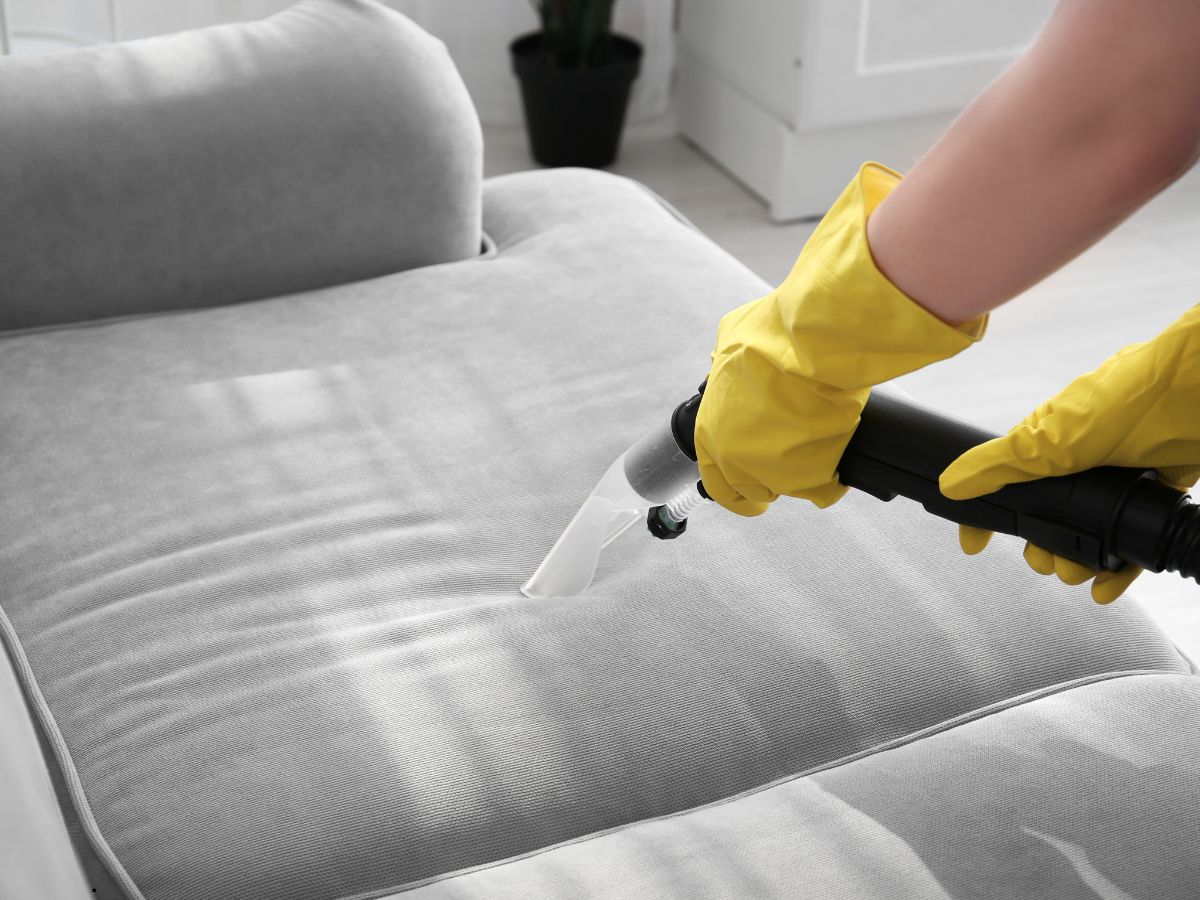
Steam cleaning uses hot water extraction and deep-cleaning techniques to loosen dirt, oils, bacteria, and stain particles trapped inside upholstery fibers. Professional equipment sprays controlled moisture into the fabric while powerful extraction supports effective moisture removal from upholstery and removes contaminants from below the surface.
Unlike simple surface cleaning, steam extraction reaches deeper into the upholstery where stains and buildup often settle over time.
Here Is What Steam Cleaning Typically Helps Remove
- Food and beverage residue: Coffee, soda, wine, and food spills often settle deep into couch cushions.
- Body oils and sweat buildup: Everyday use gradually affects upholstery color and freshness.
- Pet-related stains: Steam extraction helps remove contamination caused by pets and accidents.
- Dust and allergens: Deep cleaning removes buildup trapped inside upholstery fibers.
- General dirt and discoloration: Embedded dirt can make furniture appear dull and worn over time.
Professional steam cleaning works best when stains are treated before they become permanently set inside the fabric, a principle that also applies to mattress steam cleaning Manhattan residents schedule for healthier sleep environments.
Does Steam Cleaning Completely Remove Every Stain?
Not always. While steam cleaning can remove many upholstery stains, the results depend on several factors, including the type of stain, how long it has been there, and the type of fabric being cleaned.
Fresh stains usually respond much better than stains that have been sitting untreated for months or years. Some substances permanently alter fabric fibers or dyes, which means complete removal may not always be possible.
A Few Factors That Affect Stain Removal Results
- The age of the stain matters: Older stains often settle deeper into upholstery fibers over time.
- Fabric type changes cleaning options: Delicate materials require gentler methods to avoid damage.
- Certain stains bond with fabric permanently: Ink, bleach, and dye-based stains may leave lasting discoloration.
- Previous DIY cleaning attempts can complicate removal: Some household products, including some upholstery cleaning products, can push stains deeper into the upholstery when used incorrectly.
Professional cleaners evaluate stains carefully before choosing the safest and most effective treatment approach.
What Types of Upholstery Stains Respond Best to Steam Cleaning?
Many common household stains respond very well to professional steam extraction when treated properly. Upholstery cleaning helps loosen and remove residue trapped deep inside couch fibers and cushions.
Common Upholstery Stains That Often Improve With Steam Cleaning
- Coffee and tea spills: Tannin-based stains often respond well when treated early.
- Food stains: Sauce, grease, and snack residue can often be reduced significantly.
- Pet accidents: Professional extraction helps improve many urine and odor-related stains.
- Dirt and mud buildup: Everyday dirt trapped inside upholstery can usually be removed effectively.
- Sweat and body oil stains: Regular use gradually creates discoloration that deep cleaning can improve.
The sooner a stain is professionally treated, the better the chances of successful removal.
Can Steam Cleaning Damage Upholstery?
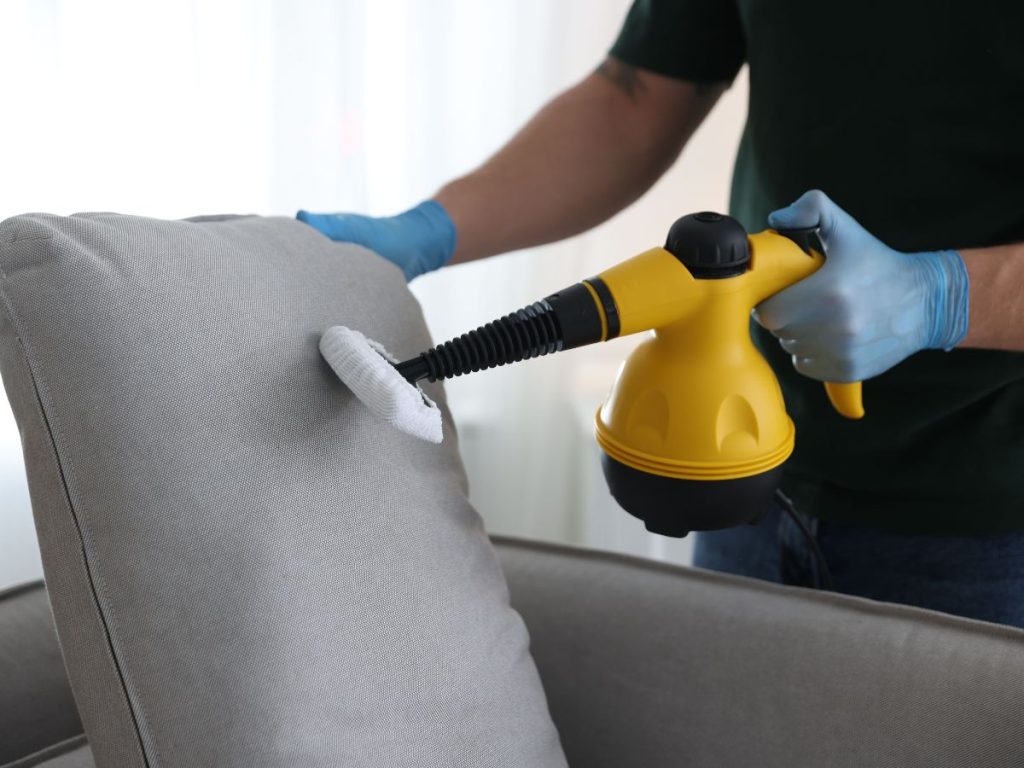
When performed incorrectly, yes. Excess moisture, harsh chemicals, or improper equipment can damage upholstery fabrics and create long-term issues.
That is why professional fabric inspection is extremely important before cleaning begins. Different materials react differently to moisture, heat, and cleaning products.
Why Upholstery Inspection Matters Before Cleaning
- Some fabrics absorb moisture quickly: Excess water can lead to shrinking or mildew problems.
- Certain dyes may bleed: Older or delicate upholstery sometimes requires testing first.
- Delicate textures need specialized care: Velvet and linen require gentler cleaning methods.
- Overwetting can create odors: Poor extraction may leave moisture trapped inside cushions.
Professional upholstery cleaners select cleaning methods based on the fabric type, stain condition, and moisture sensitivity.
Does Couch Material Affect Stain Removal?
Absolutely. Upholstery material plays a major role in how stains respond to steam cleaning. Some fabrics release dirt and residue easily, while others absorb stains much deeper.
Professional cleaners adjust cleaning methods depending on the material to reduce damage risk and improve results.
How Different Upholstery Fabrics Respond to Cleaning
- Microfiber couches: Usually clean well and dry relatively quickly after steam extraction.
- Cotton upholstery: Requires balanced moisture control to avoid discoloration or shrinking.
- Linen furniture: Delicate fibers often need lower-moisture cleaning techniques.
- Velvet couches: Sensitive texture requires specialized cleaning and drying methods.
- Leather furniture: Requires dedicated leather-safe cleaning products instead of standard steam extraction.
Using the wrong cleaning process can sometimes worsen stains or damage upholstery permanently.
Why Professional Steam Cleaning Works Better Than DIY Cleaning
Many homeowners attempt stain removal using rental machines or household upholstery cleaners. While DIY methods may improve surface appearance temporarily, they often fail to fully remove deep contamination.
Household equipment usually lacks the extraction power needed to remove moisture, dirt, and stain residue completely from inside the cushions.
At Vapor Cleaning Pros, a trusted sofa cleaning company, professional upholstery cleaning methods are designed to deeply clean fabrics while reducing excess moisture and protecting delicate materials. When choosing a cleaning service, homeowners can benefit from working with experienced professionals who understand the proper techniques for different upholstery fabrics. Whether you need upholstery care or cleaning services in Tribeca, professional expertise helps ensure safer and more effective results.
Here Is What Professional Upholstery Cleaning Typically Helps Improve
- Better stain removal: Deep extraction targets residue trapped below the surface fabric.
- Faster drying times: Professional equipment removes moisture much more effectively than household cleaners.
- Improved fabric appearance: Dirt and oils trapped inside upholstery can make furniture look dull over time.
- Safer cleaning for delicate materials: Professional methods help protect specialty fabrics from unnecessary damage.
- Better odor reduction: Deep cleaning removes bacteria and contamination that contribute to lingering smells.
For many Manhattan homeowners, professional upholstery cleaning helps restore furniture appearance while protecting long-term fabric quality.
How Long Does Upholstery Take to Dry After Steam Cleaning?
Most professionally cleaned couches and upholstered furniture dry within several hours, although the exact timeframe depends on fabric type, airflow, humidity, and cushion thickness.
Dense cushions and thicker fabrics may require additional drying time compared to lighter materials.
A Few Ways to Help Upholstery Dry Faster
- Open windows after cleaning: Better airflow helps moisture evaporate more efficiently.
- Use ceiling or portable fans: Air circulation speeds up drying throughout the upholstery.
- Avoid sitting on furniture too soon: Pressure may push moisture deeper into the cushions.
- Keep indoor humidity lower: Air conditioning often helps upholstery dry faster in NYC apartments.
Proper drying is important because trapped moisture can eventually create mildew or odor issues.
How Often Should Upholstery Be Professionally Cleaned?
Most upholstery professionals recommend deep cleaning furniture every 12 to 18 months depending on pets, children, allergies, and overall daily use.
Furniture naturally collects:
- Dust
- Body oils
- Allergens
- Pet dander
- Food particles
- Sweat residue
over time, even when the surface appears clean.
Signs Your Upholstery May Need Cleaning
- Lingering odors stay trapped inside the fabric: Persistent smells often indicate deep contamination.
- Stains become more noticeable: Older spills settle deeper into the upholstery over time.
- Allergy symptoms increase indoors: Upholstery often traps allergens and dust mites.
- Fabric looks dull or worn: Dirt buildup gradually affects color and texture.
Routine professional cleaning helps preserve upholstery appearance while improving overall indoor freshness.
Ready to Refresh Your Upholstery the Right Way?
Steam cleaning can be extremely effective at removing or improving many common upholstery stains when the proper methods and extraction equipment are used. From food spills and body oils to pet accidents and everyday dirt buildup, professional upholstery cleaning helps restore freshness while protecting delicate fabrics throughout your home.
If your furniture has visible stains or trapped odors, now may be the perfect time to get quote or book cleaning with experienced NYC professionals who understand how to safely deep-clean upholstery without overwetting cushions or damaging fabrics.


