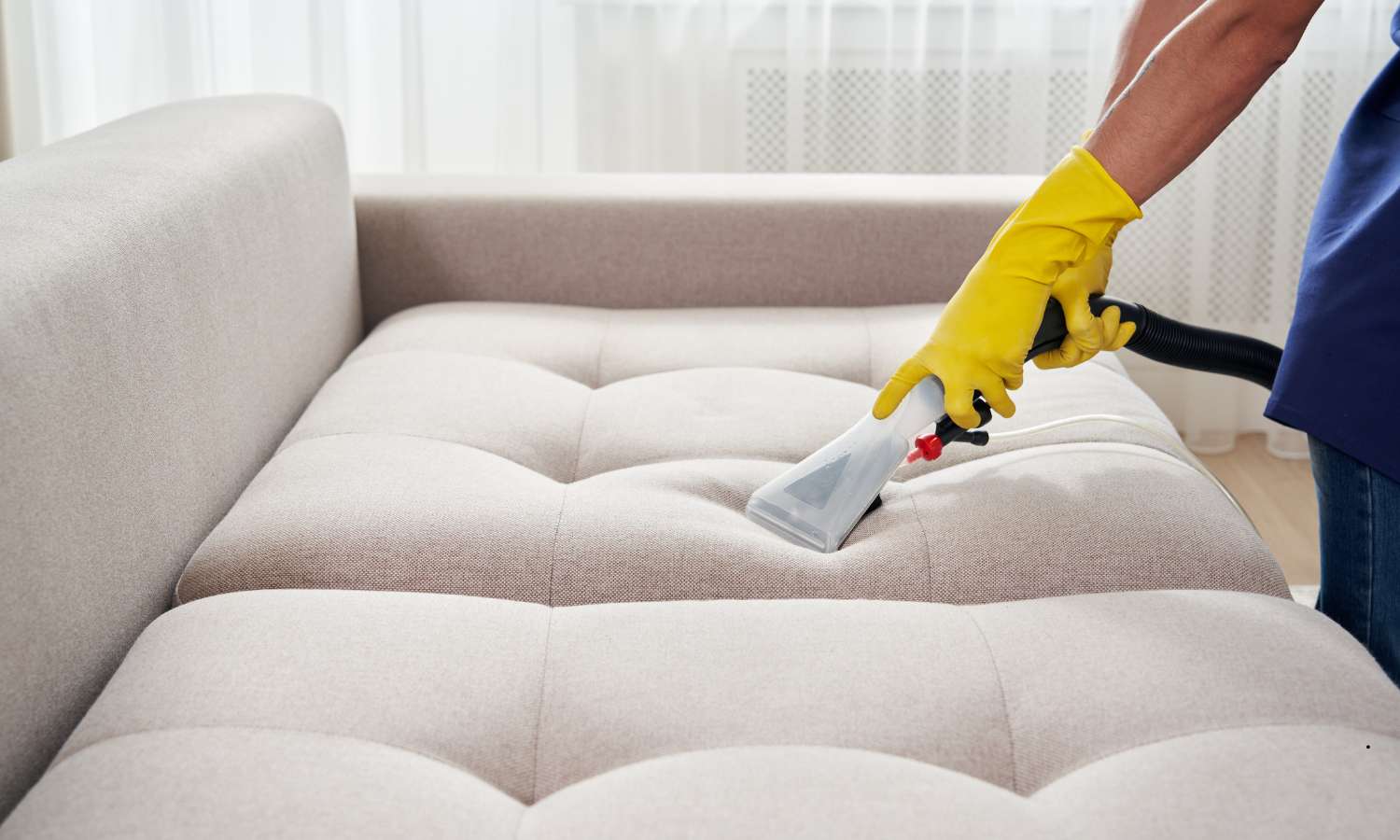
Your sofa is one of the most used pieces of furniture in your home. Whether it serves as the family’s favorite movie spot, a place for pets to nap, or simply where guests gather, it naturally collects dirt, dust, body oils, food crumbs, allergens, and stains over time. While routine vacuuming helps with surface debris, it cannot remove the contaminants embedded deep within the upholstery fibers. Professional sofa cleaning is also an excellent way to give your living space a furniture refresh without the expense of replacing existing furniture.
This is where professional sofa cleaning becomes essential. Besides improving the appearance of your furniture, professional cleaning helps eliminate odors, remove allergens, and extend the life of your investment. One of the most common questions homeowners ask, however, is: How much does professional sofa cleaning cost?
The answer depends on several factors, such as the size of the sofa, the upholstery material, and how dirty it is. If you live in New York, knowing these factors can help you plan your budget and select the right service.
Why Professional Sofa Cleaning Is Worth the Investment
At Vapor Cleaning Pros, we often find that sofas cleaned on a routine basis retain their appearance and comfort much longer than furniture that receives attention only after years of neglect. The average cost of cleaning a sofa depend on the type of sofa and various other factors that homeowners should consider.
Average Cost of Professional Sofa Cleaning in New York
In New York, the average cost of professional sofa cleaning typically falls between $120 and $200 for a standard three-seat sofa. Larger sectionals and specialty fabrics generally cost more because they require additional time, cleaning solutions, and expertise.
Keep in mind that these are average market rates. Extremely delicate fabrics or heavily stained furniture may require specialized treatments that increase the overall cost.
Professional Sofa Cleaning Cost by Sofa Type
Different types of sofas require varying amounts of time, equipment, and cleaning solutions, which is why prices can differ significantly. Larger furniture pieces and specialty materials generally require more labor and expertise. Below is a closer look at the average cost of professional sofa cleaning based on the type of sofa you own.
Loveseats
Loveseats are generally the least expensive upholstered furniture pieces to clean because they contain fewer cushions and require less labor. Most homeowners in New York can expect to pay between $80 and $150 for professional cleaning.
Standard Three-Seat Sofas
A standard couch usually costs between $120 and $200. This price often includes inspection, pre-treatment, stain removal, deep cleaning, and deodorization.
Sectional Sofas
Sectionals require considerably more work because of their size and multiple seating sections. Smaller L-shaped sectionals commonly cost between $150 and $250, while larger sectionals can range from $200 to $400 or more.
Leather Sofas
Leather furniture demands specific cleaning products and conditioning treatments. Hiring a professional cleaner typically costs between $150 and $300, depending on the sofa’s size and condition.
Factors Influencing Sofa Cleaning Costs in New York
Several factors determine the final cost of professional sofa cleaning. You should know these factors before concluding the cost of sofa cleaning:
Sofa Size and Configuration
One of the biggest factors affecting price is the size of the furniture. Larger sofas naturally require more cleaning solution, additional labor, and longer drying times. A large sectional with six or seven seats may take twice as long to clean as a standard couch, which is why pricing increases accordingly.
Upholstery Material
Not all fabrics can be cleaned using the same method. Microfiber and polyester are generally easier to clean, while natural fabrics such as cotton, linen, silk blends, and velvet often require more delicate techniques.
Leather upholstery also demands specialized products and conditioning treatments to prevent cracking or discoloration. Because of the additional care involved, specialty fabrics usually cost more to clean.
Level of Dirt and Staining
A lightly soiled sofa will require less time and fewer treatments than one that has been neglected for years. Deep-set stains caused by coffee, wine, ink, food spills, or pet accidents may need specialized stain-removal procedures, which can increase the overall price.
Similarly, odor treatments designed to eliminate pet smells or smoke odors may involve extra products and additional cleaning steps.
Cleaning Method Used
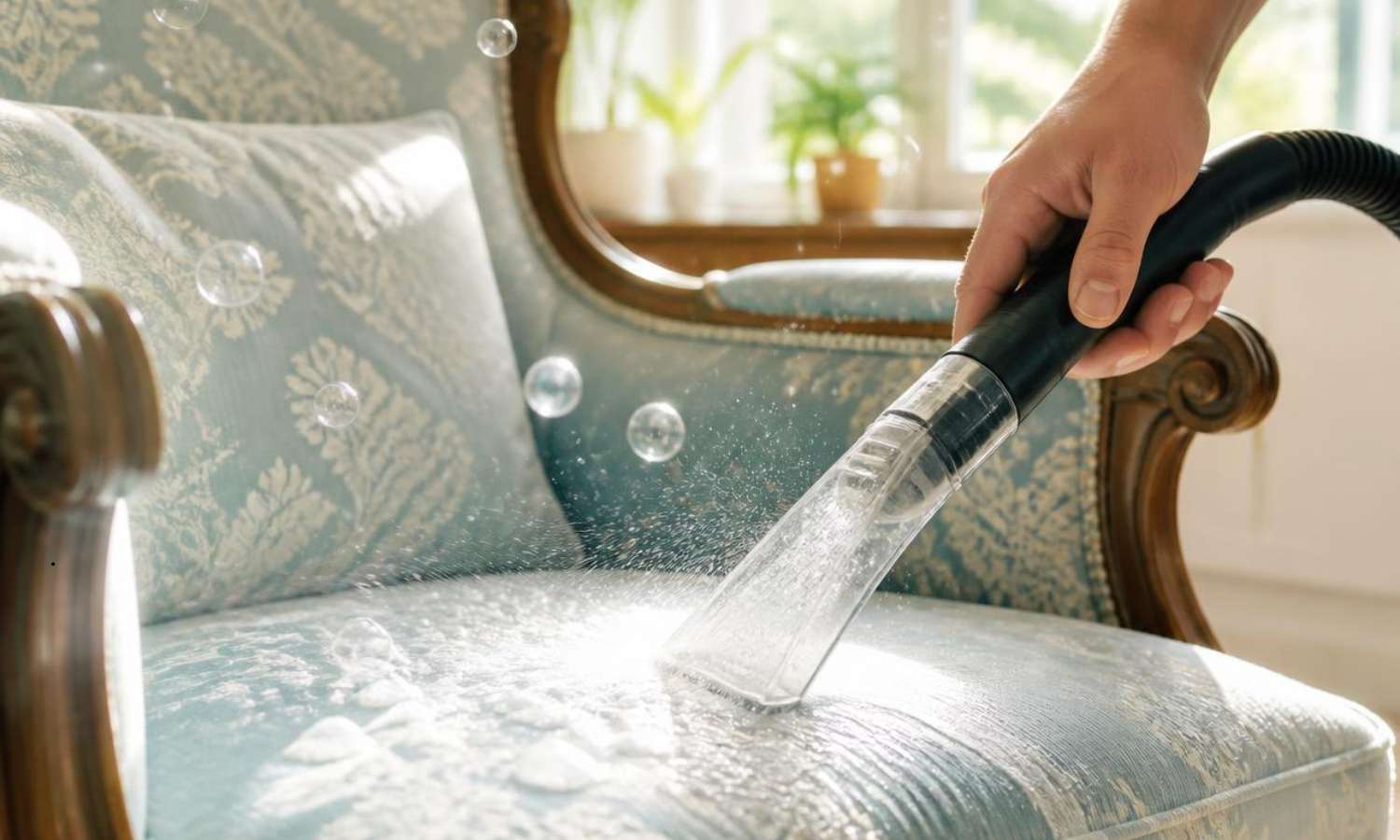
Different fabrics require different cleaning approaches. Steam cleaning, hot water extraction, low-moisture cleaning, and dry cleaning are all common methods used by professional upholstery cleaners.
The method selected mostly depends on the manufacturer’s advice and the fabric’s condition. Delicate materials usually require slower, specialized cleaning methods that can increase overall costs, while low-moisture techniques may be preferred when homeowners want to dry sofa quickly and minimize downtime before using their furniture again.
Additional Protective Treatments
Many homeowners decide to apply fabric protection after cleaning. These treatments form a barrier that helps prevent spills and stains, making regular maintenance easier. While not required, protective coatings can prolong upholstery life and reduce future cleaning costs.
Steam Cleaning vs Dry Cleaning: Does It Affect Cost?
Yes, the cleaning method can influence pricing. Steam cleaning or hot water extraction is one of the most common methods for fabric upholstery. It provides deep cleaning and excellent stain removal while remaining cost-effective for most types of furniture.
Dry cleaning and low-moisture methods are often recommended for delicate fabrics that can’t tolerate excessive moisture. Since these methods need special products and techniques, they may be a bit more expensive.
A professional technician should always evaluate the upholstery before selecting the most appropriate method.
How Often Should You Schedule Professional Sofa Cleaning?
For most households, professional sofa cleaning should be scheduled every 12 to 18 months. However, homes with children, pets, or allergy sufferers may benefit from cleaning every six to twelve months.
Routine cleaning stops dirt from settling deep in the fibers. It helps keep the furniture looking good and feeling comfortable. Regular maintenance costs much less than replacing a worn-out sofa too soon.
Final Thoughts
The cost of professional sofa cleaning in New York generally ranges from $120 to $200 for a standard sofa, although larger sectionals, leather furniture, and heavily stained upholstery may cost more.
Ultimately, the value of professional sofa cleaning extends beyond appearance. Regular maintenance helps preserve your furniture, improve indoor air quality, and create a cleaner and healthier home environment.
Choosing our professional upholstery and rug cleaning services in NYC can help protect one of the most frequently used pieces of furniture in your home for years to come. Get your quote.
Frequently Asked Questions
How much does professional sofa cleaning cost in New York?
Most homeowners pay between $120 and $200 for a standard three-seat sofa. Larger sectionals and specialty fabrics may cost between $200 and $400.
Is professional sofa cleaning worth the money?
Yes. Professional cleaning removes deeply embedded dirt, allergens, stains, and odors while helping extend the life of your furniture.
How often should a sofa be professionally cleaned?
Most experts recommend every 12 to 18 months. Homes with pets or children may require cleaning every six to twelve months.
Can professional sofa cleaning remove old stains?
Many stains can be significantly improved or completely removed. However, some permanent discoloration may remain depending on the type and age of the stain.
How long does it take for a sofa to dry after cleaning?
Most sofas dry within four to twelve hours, depending on humidity levels, airflow, and the cleaning method used.