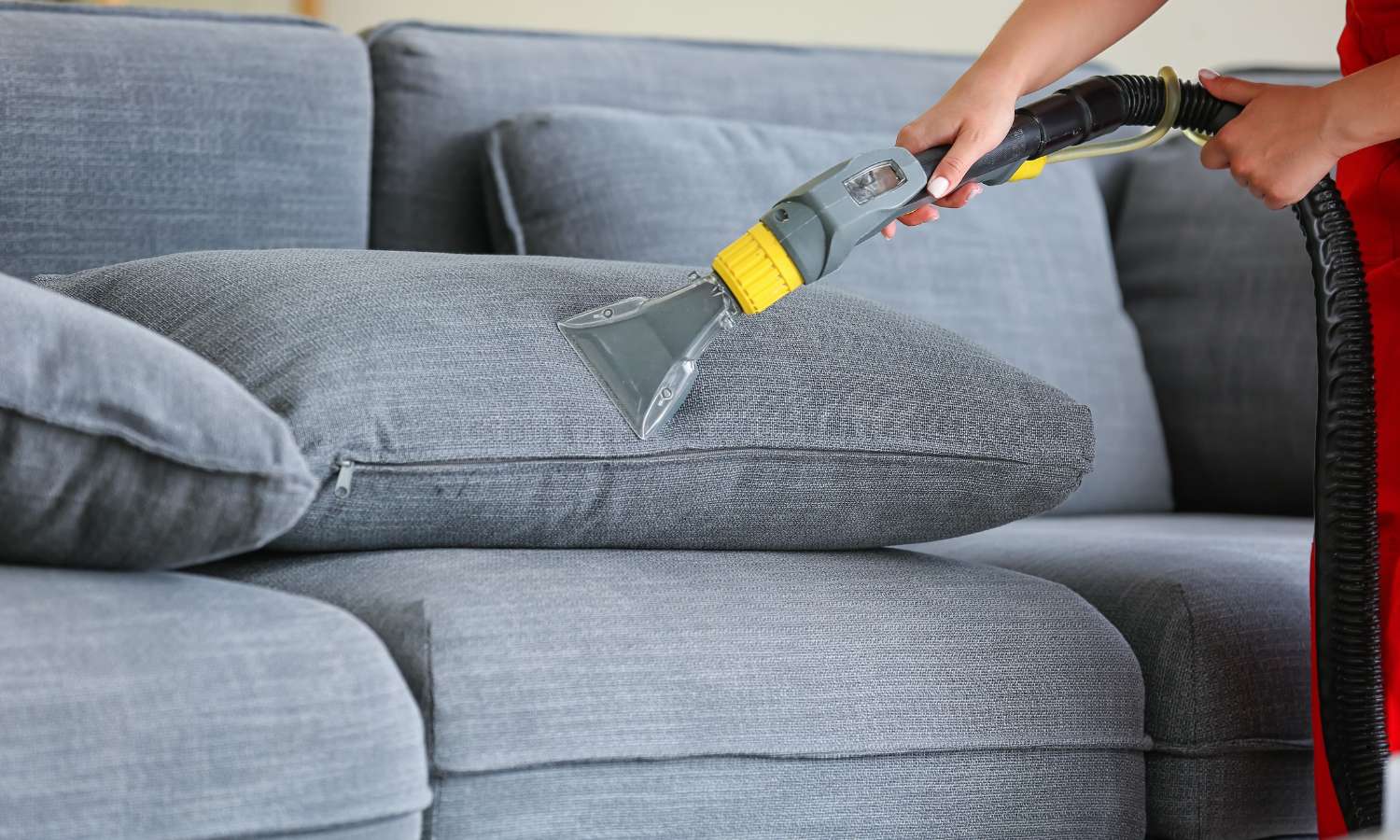
A freshly cleaned sofa always feels like a reset for your living space—cleaner air, better comfort, and a visibly refreshed look. But what most people overlook is what happens after the cleaning process. The real difference between a well-maintained sofa and a damaged one often comes down to one thing: how well you manage to dry sofa after cleaning.
Moisture trapped deep within the upholstery due to improper drying can lead to odors, fabric damage, and even mold growth. On the other hand, the right drying methods help keep your sofa fresh, hygienic, and long-lasting after every professional cleaning. Whether you need Couch Stain Removal Upper East Side or routine upholstery maintenance, proper drying remains an essential part of achieving long-lasting results.
This guide explains simple yet professional methods used in modern upholstery care, including low-moisture and vapor-based techniques, to help you dry your sofa safely and efficiently.
Why Drying Your Sofa Matters
Properly drying your sofa after cleaning is good for the fabric and good for the air quality in your home. This traps moisture deep inside its cushions and padding. If this moisture does not dry out properly, you can have musty smells, incomplete drying, and dust clinging to damp surfaces. Proper drying preserves the cushions’ comfort and shape and prevents lingering odors from trapped moisture.
The idea is simple: get rid of moisture quickly and evenly, returning your sofa to a clean, dry, ready-to-go state. Professional cleaning of most upholstery takes four to twelve hours to dry, but low-moisture or fast-dry methods can be completed in one to four hours. On the other hand, heavy saturation can stretch drying times to 12 to 24 hours; that’s just what a good technique helps you avoid.
How Fabric Type Affects Drying Time
Not all sofas dry at the same speed, and one of the biggest factors is the type of fabric. Knowing your material helps you set realistic expectations when you dry a sofa after cleaning.
- Microfiber: Dries relatively fast because of its moisture-resistant makeup.
- Synthetics: Most synthetic fabrics tend to dry faster than their natural-fiber counterparts.
- Cotton: Absorbs more moisture and often takes more time to dry.
- Linen: A natural fiber that benefits from careful moisture management.
- Velvet: A delicate fabric that usually needs special low-moisture cleaning to dry properly.
- Chenille: Due to its soft, textured fibers, chenille sofa cleaning often requires careful moisture control to ensure the fabric dries evenly and maintains its appearance.
Best Methods to Dry a Sofa After Cleaning Effectively
After cleaning, a sofa often looks fresh but still holds hidden moisture deep within its cushions and fabric layers. If this moisture is not handled properly, it can lead to odor, damp patches, or even long-term fabric damage. That’s why using the right techniques to dry sofa after cleaning is essential for maintaining both hygiene and comfort.
Improve airflow around the sofa immediately
Right after cleaning, airflow becomes your most powerful drying tool. Opening windows allows fresh air to circulate, helping moisture evaporate naturally from the fabric. If possible, creating cross-ventilation by opening windows on opposite sides of the room is even more effective.
Ceiling fans or standing fans also help speed the process along by continually moving air over the surface. The aim is to prevent the air from stagnating, which would hamper evaporation and trap moisture in the layers of upholstery.
Use fans strategically for faster drying
Just having a fan on isn’t enough, as its placement is key. Fans blowing directly across the surface of the sofa will help pull moisture from the fabric more quickly. Commercially, air movers are used to speed up the drying process, but the same results can be achieved with household fans if used properly.
For best results, rotate airflow direction every few hours so all sides of the sofa receive equal drying exposure. This helps prevent uneven damp spots inside cushions.
Control indoor humidity for better results
Humidity is among the primary reasons sofas remain wet for too long. Evaporation is much slower when the air is already humid. A dehumidifier will remove excess moisture from the air and create ideal drying conditions.
If you don’t have dehumidifiers, just open your windows during low-humidity hours. One of the most efficient ways to dry a sofa after cleaning faster without risking fabric damage is by combining airflow and humidity control.
Separate cushions and allow internal airflow
One of the most common mistakes people make is leaving all the cushions piled together. This traps moisture between layers and slows drying down quite a bit. Instead, cushions should be taken out, stood on their ends or separated so that air can circulate from all sides.
Even the base of the sofa should be slightly exposed if possible. This ensures that hidden moisture inside seams and padding does not remain trapped.
Avoid early usage of the sofa
Even if the sofa’s surface feels dry to the touch, deeper layers may still contain moisture. Sitting on it too early can compress this hidden moisture deeper into the foam, making it harder to dry completely.
It’s always better to allow extra drying time rather than risk odor buildup or fabric damage later. This is especially important after deep cleaning or vapor-based treatments.
Common Mistakes That Delay Sofa Drying
Many people unwittingly retard the drying process by wrong methods. This is a big mistake: using direct heat, such as hair dryers or heaters. This may damage the fabric fibers and cause uneven drying spots.
Another common issue is poor ventilation. Keeping the room closed after cleaning traps moisture inside, making it harder for the sofa to dry properly.
Over-wetting during DIY cleaning attempts is also a major problem, as it significantly increases drying time and raises the risk of odor or mold development.
How Professional Cleaning Helps in Faster Sofa Drying
Modern upholstery care no longer involves dipping fabric in water. More sophisticated methods such as vapor and controlled steam cleanings, are designed to clean effectively with the minimal amount of moisture possible. This can easily dry the sofa after cleaning.
We at Vapor Cleaning Pros NYC use low-moisture vapor cleaning systems that attack dirt and bacteria without oversaturating the fabric. This approach benefits homeowners throughout the city, including those looking for cleaning services in Chelsea, by improving hygiene while reducing drying time so furniture can be used again sooner.
Less water is used during cleaning, which makes the entire post-cleaning drying cycle shorter and more manageable.
Frequently Asked Questions
How long does it take to dry a sofa after cleaning?
Most professionally cleaned sofas dry within 4 to 12 hours. Low-moisture or fast-dry methods can finish in 1 to 4 hours, while heavy steam or oversaturated cleaning may take 12 to 24 hours.
What is the fastest way to dry a sofa after cleaning?
Use portable and ceiling fans to improve airflow. Run air conditioning to reduce humidity. Open windows when the weather is dry. Leave cushions uncovered until they are completely dry.
Why is my sofa still damp hours after cleaning?
It is generally caused by high humidity, dense cushions, poor airflow, or oversaturation during cleaning. Often, DIY machines use more water than they can suck out, which prolongs drying considerably.
Does humidity affect how a sofa dries?
High humidity slows evaporation because there is so much moisture in the air. This is especially noticeable in the humid summers of NYC, when air conditioning and fans become necessities.
Can I sit on my sofa before it is fully dry?
The answer is no. Using the sofa too soon can push moisture deeper into the cushions, slow drying, and raise the risk of musty odors.
Does professional cleaning dry faster than doing it myself?
Yes. Professional extraction equipment removes far more moisture during the cleaning than rental or household machines, which is why professional drying times are much shorter.