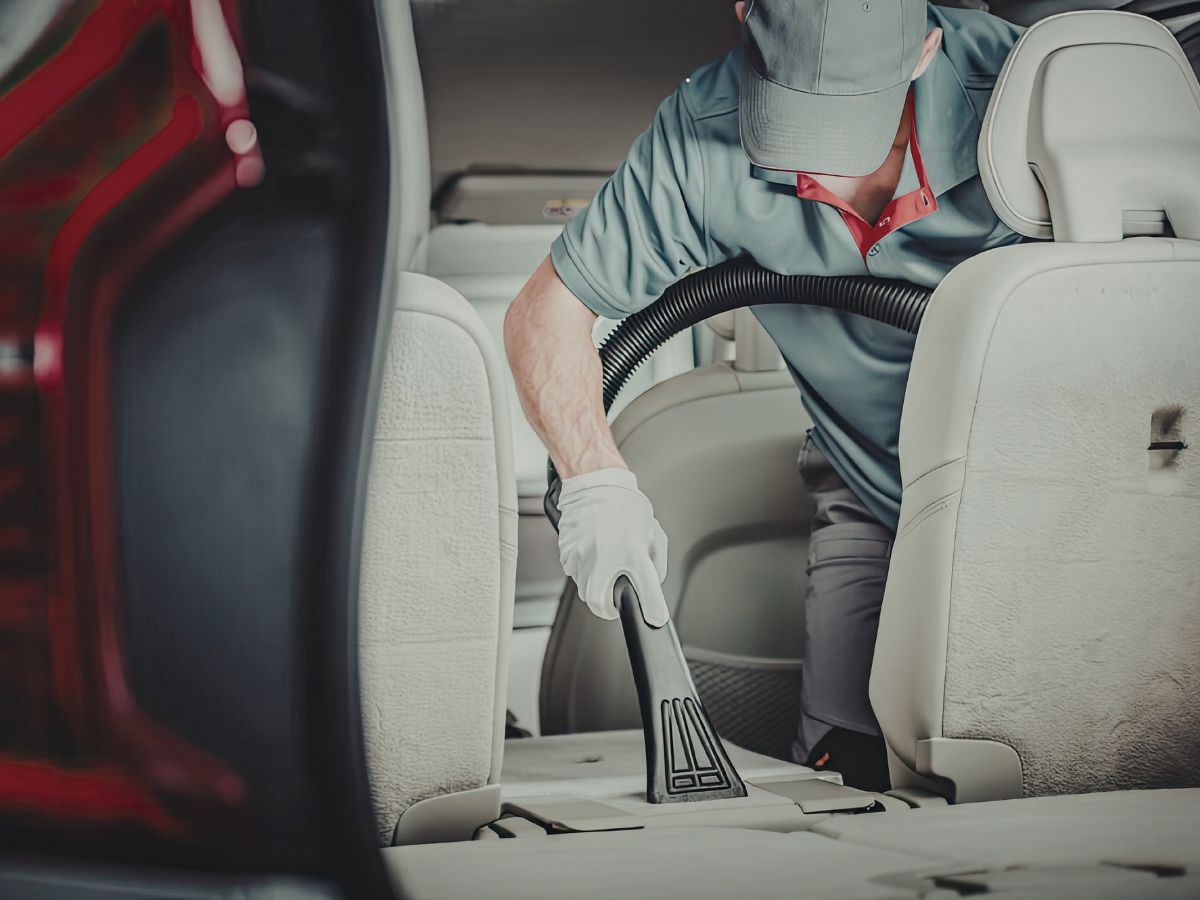
Car upholstery cleaning is the deep cleaning of fabric, cloth, or upholstered surfaces inside a vehicle. It removes dirt, stains, odors, allergens, and bacteria that vacuuming alone cannot reach. Most cars benefit from a professional clean every 3 to 6 months, more often for vehicles with kids, pets, or heavy daily use.
If you spend a lot of time driving around Manhattan, commuting through NYC traffic, or using your vehicle for family trips, you have likely noticed how quickly car seats get dirty. Crumbs, coffee spills, pet hair, dust, body oils, and everyday wear build up inside vehicle upholstery faster than most people realize. Many car owners focus on exterior washing and forget that the interior collects just as much grime. This guide explains what car upholstery cleaning is, how it works, what it removes, and how often it should be done.
What is upholstery cleaning in a car?
Car upholstery cleaning is the process of deep-cleaning the fabric, cloth, or upholstered surfaces inside a vehicle. Unlike basic vacuuming, it targets dirt, stains, odors, allergens, and contaminants trapped deep within the seat fibers. Vehicle seats absorb dust, moisture, food particles, body oils, and bacteria with every drive.
What a typical car upholstery cleaning service includes:
- Deep vacuuming: Removes loose dirt, dust, crumbs, and debris from seats and tight spots.
- Stain treatment: Targets food spills, beverage stains, and visible marks.
- Odor removal: Reduces smells from food, pets, moisture, and daily use.
- Deep extraction cleaning: Lifts contamination from below the surface.
- Fabric protection: Some treatments add a layer that resists future staining.
The goal is improved cleanliness, comfort, and longevity, not just better appearance.
Why does car upholstery get dirty so quickly?
Car interiors are exposed to more contaminants than household furniture because they combine outdoor exposure with daily, confined use. Drivers and passengers introduce dirt every time they enter the vehicle, and there is far less ventilation than in a typical room.
Common sources of buildup in cars:
- Food and drinks: Small spills soak deep into the seat fabric.
- Body oils and sweat: Daily contact gradually affects cleanliness.
- Dirt from shoes: Particles spread through the cabin and settle into seats.
- Pet hair and dander: Pets leave behind allergens and odor-causing residue.
- Weather moisture: Rain, snow, and humidity contribute to musty smells.
Over time, this combination affects appearance, comfort, and air quality inside the cabin.
How does professional car upholstery cleaning work?
Professional car upholstery cleaning uses a multi-step process designed to lift contamination without damaging the interior. The exact method depends on the upholstery material, condition, and level of soiling, which also affects upholstery cleaning estimates.
A typical cleaning process includes:
- Inspection: The upholstery is evaluated for stains, wear, and fabric type.
- Pre-treatment: Cleaning solutions are applied to loosen dirt and residue.
- Agitation: Problem areas receive targeted attention to break up embedded soil.
- Extraction cleaning: Powerful equipment removes dirt, moisture, and other contaminants.
- Drying: Controlled airflow shortens drying and reduces moisture retention.
This goes well beyond what surface vacuuming or a household machine can achieve.
What types of stains can car upholstery cleaning remove?
Professional cleaning improves the most common vehicle stains, particularly when treated before they set in. Results depend on the stain type, fabric, and how long the stain has been present. Professional services are also one of the most effective ways to remove stains from car seats without damaging the upholstery.
Stains that typically respond well:
- Coffee and soft drink spills: Liquid stains usually lift effectively.
- Food residue: Sauce, grease, and snack stains often improve significantly.
- Mud and dirt: Ground-in soil responds well to deep extraction.
- Pet accidents: Cleaning addresses both the visible stain and the odor.
- Every day discoloration: General wear and dullness often improve noticeably.
Earlier treatment produces better results, so addressing spills quickly is always preferable.
Can upholstery cleaning remove car odors?
Yes. Odor reduction is one of the biggest benefits of car upholstery cleaning. Most vehicle odors come from contamination trapped in the seat fabric, not from the visible surfaces. As bacteria interact with spills, moisture, and residue, odors get stronger over time.
Common car odors that respond to deep cleaning:
- Food-related smells from old spills
- Pet odors from hair, dander, and accidents
- Smoke residue trapped in fabric fibers
- Musty smells from moisture buildup
- General staleness from accumulated daily use
Cleaning at the source removes the cause rather than masking it with fragrance.
Does upholstery material affect the cleaning process?
Absolutely. Different vehicle interiors require different cleaning approaches. Some materials tolerate moisture well, while others need careful, low-moisture treatment.
How common car upholstery materials respond:
- Cloth seats: Usually respond well to standard extraction cleaning.
- Synthetic upholstery: Durable and tolerant of deeper cleaning methods.
- Premium fabrics: Some luxury textiles need gentler treatment.
- Alcantara: Specialized care preserves the suede-like texture and prevents matting.
- Mixed-material interiors: Different sections may require different techniques.
Matching the method to the material, including selecting the right upholstery dry cleaning solution, is essential to avoid damage.
Why is professional cleaning better than DIY methods?
DIY car upholstery cleaning with household products or rental equipment may improve the surface temporarily, but it often leaves deeper contamination behind. In some cases, it makes the problem worse.
Common DIY mistakes:
- Using too much moisture: Excess water gets trapped in the seat foam.
- Applying harsh cleaners: Some chemicals damage fibers or strip color.
- Aggressive scrubbing: Rough cleaning changes fabric texture.
- Incomplete extraction: Soap residue attracts dirt and creates ongoing problems.
Professional equipment removes far more moisture than household machines and reduces these risks while reaching the soil that DIY methods miss.
How often should car upholstery be professionally cleaned?
Most cars benefit from professional upholstery cleaning every 3 to 6 months. Vehicles used heavily, especially those carrying children or pets, often need cleaning every 1 to 3 months. Garaged cars with light use can usually go 6 to 12 months between deep cleans.
Signs your vehicle upholstery is due:
- Visible stains that resist surface cleaning
- Lingering odors inside the cabin
- Dull or discolored upholstery from gradual buildup
- More allergy symptoms while driving
- An interior that feels less fresh even after vacuuming
Regular cleaning prevents contamination from becoming deeply embedded, which makes future cleanings easier and more effective.
What does this mean for home upholstery?
The same principles apply to furniture inside your home. Couches, chairs, and sectionals collect dust, allergens, body oils, and pet residue just like car seats, and professional deep cleaning extends fabric life while improving indoor air quality. At Vapor Cleaning Pros, we use the same fabric-specific approach to keep home upholstery clean, fresh, and protected.
Ready to refresh your home upholstery?
Understanding car upholstery cleaning makes it easier to see why home upholstery needs the same level of attention. From stain removal and odor reduction to allergen control, professional cleaning protects fabric and comfort for the long term. If your home furniture could use professional care, now is a good time to get a quote or book cleaning with experienced NYC upholstery professionals or a trusted cleaning company in Bronx.
Frequently Asked Questions
What is upholstery cleaning in a car?
How often should car upholstery be cleaned?
Can upholstery cleaning remove car seat stains?
Most common stains, including food, beverage, mud, and pet stains, improve significantly with professional cleaning, especially when treated early.
Does upholstery cleaning help remove odors?
Yes. Deep cleaning removes contamination from food, pets, smoke, and musty odors, rather than masking them with fragrance.
Is professional upholstery cleaning better than DIY cleaning?
Professional cleaning delivers deeper results, stronger extraction, and safer treatment for delicate materials than household sprays or rental machines.


