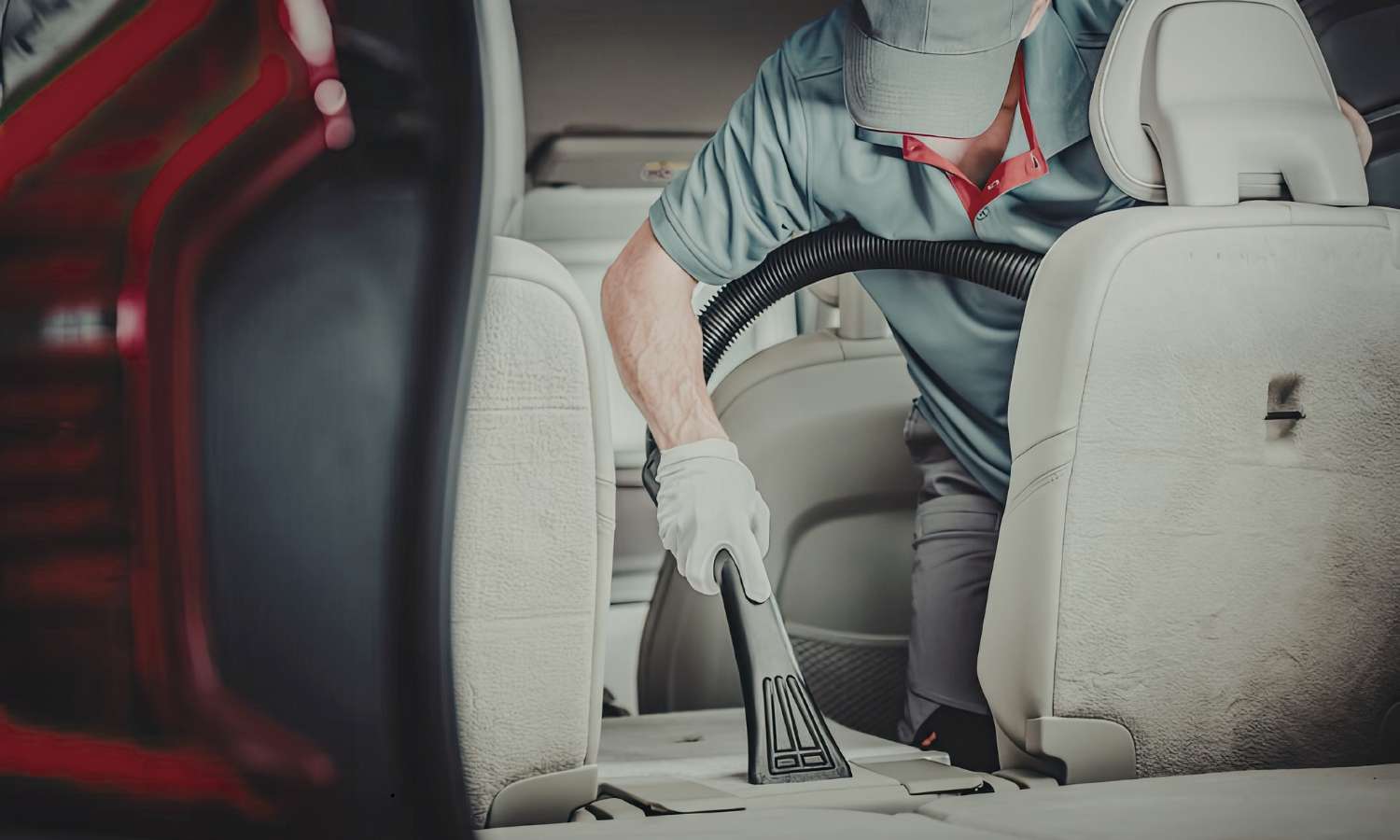
Every car owner knows that sinking feeling when something spills on the seat and soaks in before you can grab a napkin. Whether it is coffee on the morning commute, a fast-food mishap, or muddy shoes after a rainy day in the city, car upholstery stains have a way of setting in quickly and sticking around. The good news is that most stains can be treated effectively when you know the right approach for the fabric type and the stain itself. This guide walks you through practical methods for tackling common car stains, what to avoid, and when it makes sense to bring in professional help.
Why Car Upholstery Stains Are Trickier Than They Look
Car seats take a lot of abuse. They are used daily, exposed to heat and humidity, and rarely cleaned as regularly as furniture inside the home. When a stain hits fabric car seats, it does not just sit on the surface. It travels into the fibers and sometimes into the foam padding beneath, which is why surface wiping rarely gets the job done completely.
The type of fabric matters too. Cloth, leather, and vinyl seats all respond differently to cleaning agents, so knowing what you are working with before you start is essential.
Common Car Upholstery Stains and How to Treat Them
Coffee and Drinks
Blot the spill immediately with a clean cloth to absorb as much liquid as possible. Mix a small amount of dish soap with cold water, then gently work the solution into the stain with a soft cloth. Rinse with a damp cloth and blot dry. Avoid rubbing, which spreads the stain further.
Food and Grease
Scrape off any solid residue first with a dull tool, such as a plastic spatula. Apply a small amount of baking soda to absorb the grease, let it sit for 10 to 15 minutes, then vacuum it away. Follow up with a mild soap and water solution applied with a soft brush in gentle circular motions.
Mud and Dirt
Let the mud dry completely before attempting to clean it. Trying to wipe wet mud spreads it deeper into the fabric. Once dry, vacuum the loose debris, then treat the remaining stain with a damp cloth and mild upholstery cleaner.
Ink
Ink stains require a careful approach. Rubbing alcohol applied with a cotton ball can lift fresh ink from fabric seats. Work from the outside of the stain inward to avoid spreading it, and blot rather than rub throughout the process.
Blood
Use cold water only on blood stains. Hot water causes blood to set permanently into fabric fibers. A mixture of cold water and a small amount of dish soap, applied gently and blotted repeatedly, works well on fresh stains.
What to Avoid When Treating Car Upholstery Stains
Getting aggressive with stains often makes things worse. Here are the mistakes that commonly turn a manageable stain into a permanent one.
- Using hot water on protein-based stains like blood or dairy
- Scrubbing vigorously instead of blotting
- Applying too much liquid, which pushes the stain deeper into the padding
- Using bleach or harsh chemical sprays on colored fabric seats
- Skipping the blotting step and going straight to scrubbing
Patience and light pressure consistently outperform heavy-handed scrubbing for upholstery stain removal.
When DIY Methods Are Not Enough
Some stains are too deep, too old, or too set to respond to home treatment. If you have tried the methods above and the stain is still visible, or if the odor remains even after cleaning, the contamination has likely reached the padding beneath the fabric.
This is where professional extraction equipment makes a real difference. The same principles that make upholstery cleaning in NYC effective on home furniture apply to vehicle interiors. Deep extraction pulls contaminants out of the fabric and padding rather than just pushing them around on the surface.
Professional cleaning can also be useful when you want to address dust, particles, and other unwanted contaminants throughout the interior. For broader indoor cleaning needs, allergen removal cleaning can help support a cleaner environment beyond visible stain treatment.
At Vapor Cleaning Pros, fabric is assessed before any cleaning solution is applied, which matters especially for delicate or blended upholstery materials commonly found in newer vehicles.
Tips for Keeping Car Seats Cleaner Longer
Prevention is always easier than removal. A few simple habits reduce how often you need to deal with stubborn car upholstery stains in the first place.
- Keep a small pack of dry cleaning cloths in the car for immediate blotting
- Use seat covers in vehicles that carry pets or young children regularly
- Vacuum car seats monthly to prevent dry debris from working into the fibers
- Treat spills within the first few minutes before they have time to set
Conclusion
Car upholstery stains are frustrating, but they are rarely permanent when addressed quickly and correctly. Knowing the right method for each stain type, avoiding common mistakes, and acting fast gives you the best chance of a full recovery. For stains that have already set or odors that will not go away, professional cleaning is the most reliable path forward.
Ready to give your upholstery the deep clean it deserves? Contact Vapor Cleaning Pros and book a professional fabric cleaning service that goes beyond the surface.
Frequently Asked Questions
What is the best homemade cleaner for car upholstery stains?
A mixture of warm water, a few drops of dish soap, and a splash of white vinegar works well on most fabric stains. Always test it on a hidden area first to make sure it does not affect the color or texture.
Can I use baking soda on car seat stains?
Yes, baking soda is effective for absorbing grease and neutralizing odors. Apply it dry, let it sit for 15 minutes, and vacuum it away before following up with a mild cleaning solution.
How do I get old stains out of car upholstery?
Old stains are harder to remove because they have bonded with the fibers. A dedicated upholstery cleaner with a soft brush and repeated gentle passes works better than a single aggressive treatment. Professional extraction is often the most effective option for stains that have been sitting for weeks.
Does steam cleaning work on car upholstery stains?
Professional steam cleaning can be highly effective for car upholstery because the heat breaks down stain compounds while extraction pulls them out of the fabric. It works particularly well on odors embedded in the padding.
How often should car upholstery be professionally cleaned?
Once or twice a year is a reasonable schedule for most vehicles. Households with pets, children, or frequent food and drink in the car may benefit from more regular cleaning to prevent buildup.


