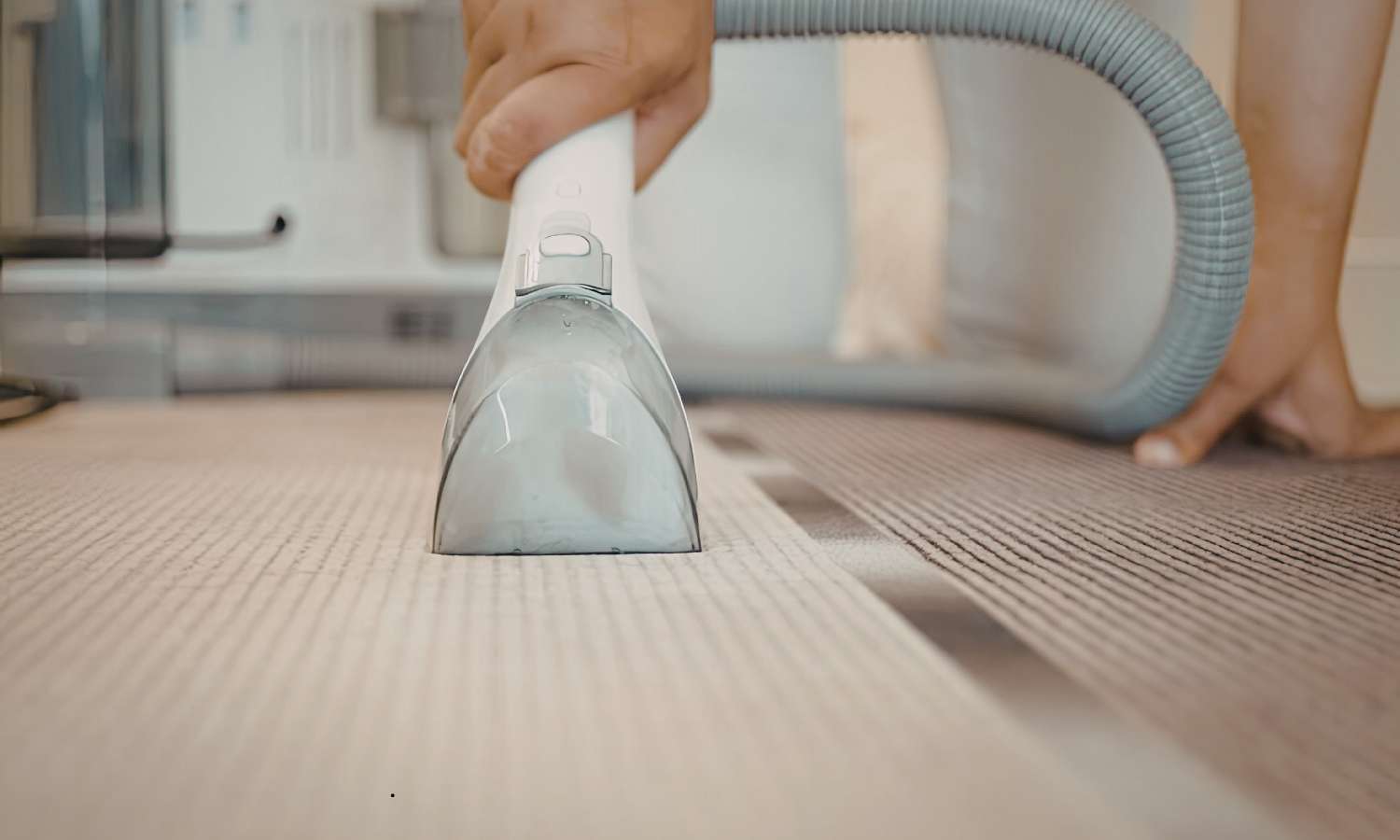
You have a bottle of Resolve sitting in the cleaning cabinet, a stain on the couch, and a simple question: will this work? It is a reasonable thing to wonder. Carpets and upholstery are both fabric surfaces, both collect stains, and the logic of using the same product on both seems straightforward enough. But whether Resolve carpet cleaner can be used on upholstery safely depends on a few important factors that are worth understanding before you spray anything on your furniture. This guide covers the honest answer, the risks involved, and what works better for fabric upholstery when you want real results without causing damage.
What Is Resolve Carpet Cleaner Formulated For?
Resolve is designed and tested primarily for use on carpet fibers, which are generally more rugged and forgiving than upholstery fabric. Carpets sit on the floor, are made to handle foot traffic and repeated cleaning, and have a different fiber structure than the fabric covering sofas, armchairs, and other furniture. Many homeowners use products like Resolve to remove stains and revive old carpets, but that does not automatically mean the same formula is suitable for furniture fabrics.
Upholstery fabrics include a much wider range of materials, such as linen, velvet, microfiber, cotton, and blended synthetics, many of which are more delicate and react differently to cleaning chemicals than carpet fibers do.
Can Resolve Carpet Cleaner Be Used on Upholstery?
Some versions of Resolve are labeled for use on both carpets and upholstery. If the product packaging specifically states it is safe for upholstery, then it can be used with caution. However, using a carpet-specific formula on furniture fabric without that designation is risky for several reasons.
- Carpet formulas may contain stronger surfactants that leave residue on upholstery fibers
- Residue buildup can make fabric feel stiff, sticky, or rough after drying
- Certain dyes in upholstery fabric can react to cleaning chemicals and fade or bleed
- Upholstery cushions are harder to rinse thoroughly than carpet, so residue stays behind longer
The safest rule is to always check the product label before applying it to any fabric surface it was not specifically tested for.
How to Test Resolve on Upholstery Before Full Application
If you want to try a Resolve product that includes upholstery on its label, always do a patch test first. Here is how:
- Apply a small amount to a hidden area of the furniture, such as the back or underside of a cushion
- Let it sit for the recommended time, then blot and allow to dry completely
- Check for color change, texture change, or any residue left behind
- Only proceed with the stain treatment if the test area looks and feels normal after drying
This two-minute step prevents permanent damage to visible areas of the furniture.
Risks of Using the Wrong Cleaner on Fabric Upholstery
Getting the upholstery wrong on a product tends to create problems that outlast the original stain.
- Fabric discoloration: Certain chemicals react with dyes in upholstery fabric and cause bleaching or color shifting
- Residue buildup: Leftover cleaning solution trapped in upholstery fibers attracts more dirt over time, making the fabric look dingy faster
- Texture damage: Harsh formulas can break down delicate fibers in velvet, linen, or blended fabrics
- Moisture problems: Applying too much product and not extracting it properly can leave upholstery damp long enough to cause mold or odor issues
These are problems that often cannot be reversed without professional intervention, which is why getting the cleaner right from the start is so important.
Better Alternatives for Upholstery Stain Removal
If you are unsure whether Resolve is appropriate for your specific furniture fabric, there are safer options to try first.
- Mild dish soap and water: Works well on most water-safe upholstery fabrics for fresh stains
- White vinegar diluted with water: Effective for odors and many common stains on synthetic and cotton upholstery
- Baking soda: Excellent for absorbing grease and neutralizing odors on most fabric types
- Dedicated upholstery cleaners: Products specifically formulated for furniture fabric are the safest bet for consistent results
Always check the care tag on your furniture before applying any product. The letter codes on the tag, such as W for water-safe and S for solvent-only, tell you exactly what the fabric can handle.
When Professional Cleaning Makes More Sense
Some stains, fabric types, and cleaning situations are better handled by professionals with the right equipment and product knowledge. This is especially true for:
- Delicate fabrics like velvet, silk, or linen, where the wrong product can cause permanent damage
- Old or set stains that have bonded deeply with the fabric fibers
- Situations where DIY cleaning has already left residue or stiffness behind
- High-value furniture where the risk of damage is not worth the experiment
- Move-out situations where furniture needs to be refreshed and presentable before leaving a property, making move-out upholstery cleaning a practical option
Vapor Cleaning Pros offers upholstery cleaning in Manhattan and across NYC with a fabric-first process that begins with a material assessment before any cleaning solution is applied. That approach protects the furniture and gets better results than most home cleaning attempts. Homeowners and businesses looking for reliable cleaning services in SoHo can also benefit from the same careful, fabric-specific approach to upholstery care. Their team of professional carpet cleaners also brings extensive experience in handling delicate upholstery and fabric surfaces safely.
For those in the outer boroughs, upholstery cleaning in Brooklyn follows the same meticulous standards and uses the same professional-grade extraction equipment.
Conclusion
Resolve carpet cleaner can be used on upholstery only when the product label specifically says so, and even then, a patch test is essential. Carpet-specific formulas are not designed for the wider range of fabrics found in furniture, and using the wrong product can leave behind residue, color damage, or texture problems that are harder to fix than the original stain.
When you want clean upholstery without the guesswork, book a professional cleaning with Vapor Cleaning Pros and get the job done right with products and methods matched to your exact fabric type.
Frequently Asked Questions
Is Resolve carpet cleaner safe for couch fabric?
Only if the product label specifically states it is safe for upholstery. Carpet-only formulas may contain ingredients too harsh for delicate furniture fabrics. Always do a patch test first, regardless of what the label says.
What happens if you use too much Resolve on upholstery?
Excess product left in upholstery fibers can cause the fabric to feel stiff or sticky after drying. It can also attract more dirt over time and create a buildup that requires professional extraction to fully remove.
Can I use carpet cleaner spray on microfiber upholstery?
Microfiber is generally more resilient than other upholstery fabrics, but carpet cleaners should still be patch tested before use. Some formulas leave residue that affects the soft texture microfiber is known for.
What is the best cleaner for fabric upholstery stains?
A mild solution of water and dish soap handles most fresh stains effectively. For tougher stains or deeper contamination, an enzyme-based upholstery cleaner or professional steam extraction is more reliable.
How do I know what cleaning products are safe for my couch?
Check the care tag sewn into the furniture. W means water-based cleaners are safe. S means solvent-based only. WS means either can be used. X means vacuuming only, no liquid cleaners at all.


