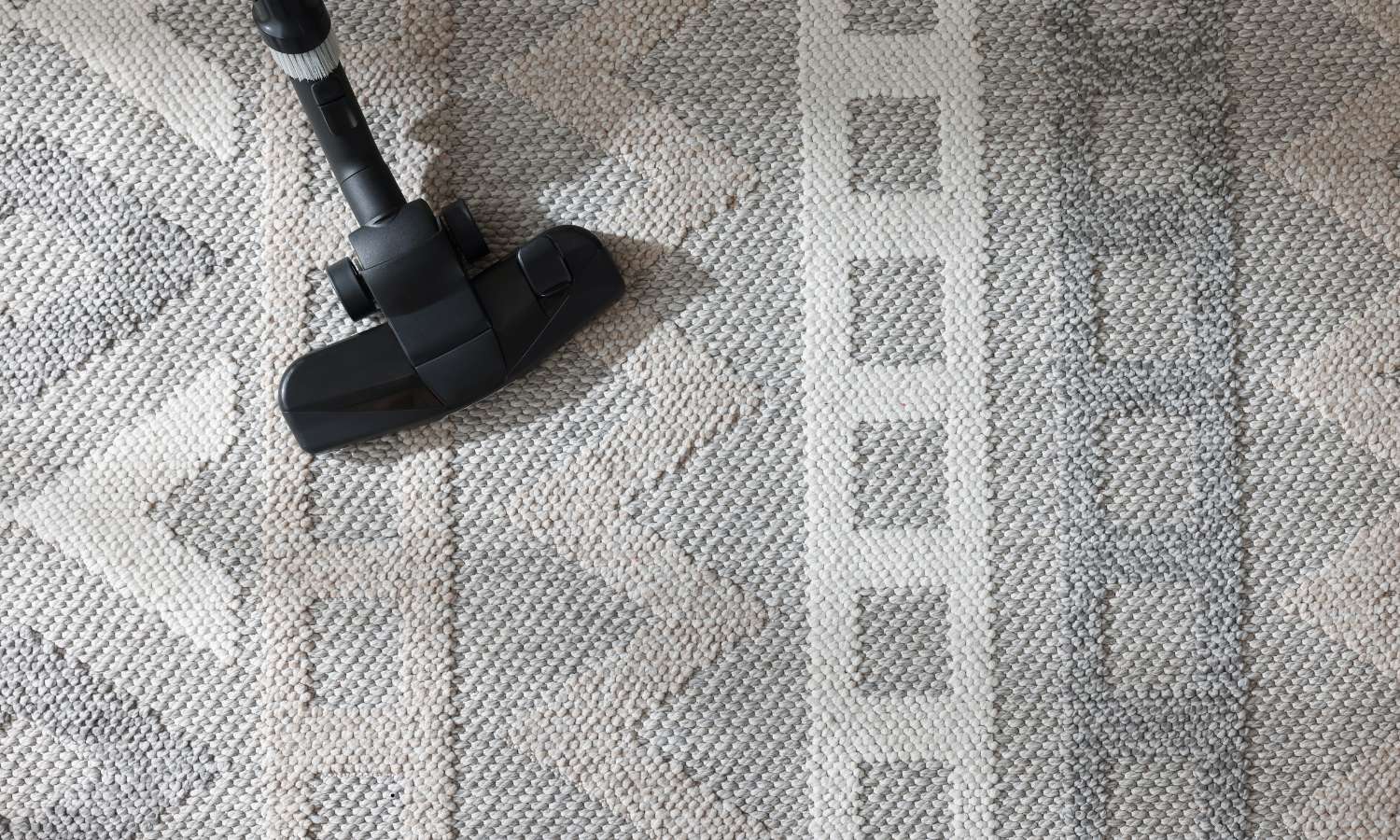
Area rugs do a lot of work in a home. They define a space, add warmth underfoot, and take the brunt of daily foot traffic, pet activity, and the occasional spill. But for all the work they do, area rugs are often the last thing people think about when it comes to regular cleaning. If you are ready to give your rug the proper care it deserves, knowing how to clean an area rug correctly based on its material and construction is the difference between a refreshed rug and a damaged one. This guide covers everything from routine maintenance to deep cleaning methods and when professional care makes the most sense. Homeowners looking for rug cleaning in Bronx can also apply these best practices to keep their area rugs in excellent condition between professional cleanings.
Why Regular Cleaning Matters More Than You Think
Dirt and debris do not just sit on top of an area rug. They work their way down into the fibers with every footstep and eventually reach the backing material. Once embedded, they act like sandpaper on the fibers every time someone walks across the rug, breaking down the material over time.
Beyond fiber damage, rugs collect allergens, dust mites, pet dander, and bacteria that regular vacuuming alone cannot fully remove. A well-maintained area rug lasts significantly longer and contributes to healthier indoor air quality throughout the home. Choosing non-toxic rug cleaning methods whenever possible can also help reduce unnecessary chemical exposure for children, pets, and other household members.
Step One: Know Your Rug Material
The single most important factor in cleaning an area rug is understanding what it is made of. Different materials have different tolerances for moisture, heat, and cleaning products. Understanding Natural Fiber Rugs vs Synthetic Rugs also helps you choose the safest cleaning method and avoid damage caused by using products or techniques that are not suitable for your rug type.
- Wool rugs: Durable and naturally stain-resistant, but sensitive to high heat and harsh chemicals. Require gentle, low-moisture cleaning methods.
- Cotton rugs: Often machine washable in smaller sizes but prone to shrinkage with hot water or high-heat drying.
- Synthetic rugs (polyester, nylon, polypropylene): The most forgiving when it comes to moisture and cleaning products. Generally easy to clean at home.
- Silk rugs: Extremely delicate. Should only be professionally cleaned to avoid permanent damage.
- Natural fiber rugs (jute, sisal, seagrass): Do not tolerate moisture well. Require dry or low-moisture cleaning methods only.
- Persian and Oriental rugs: High-value and often made from wool or silk blends. Always benefit from professional care.
Routine Maintenance: What You Should Be Doing Regularly
Good maintenance reduces the frequency of deep cleaning and keeps the rug looking its best between professional services.
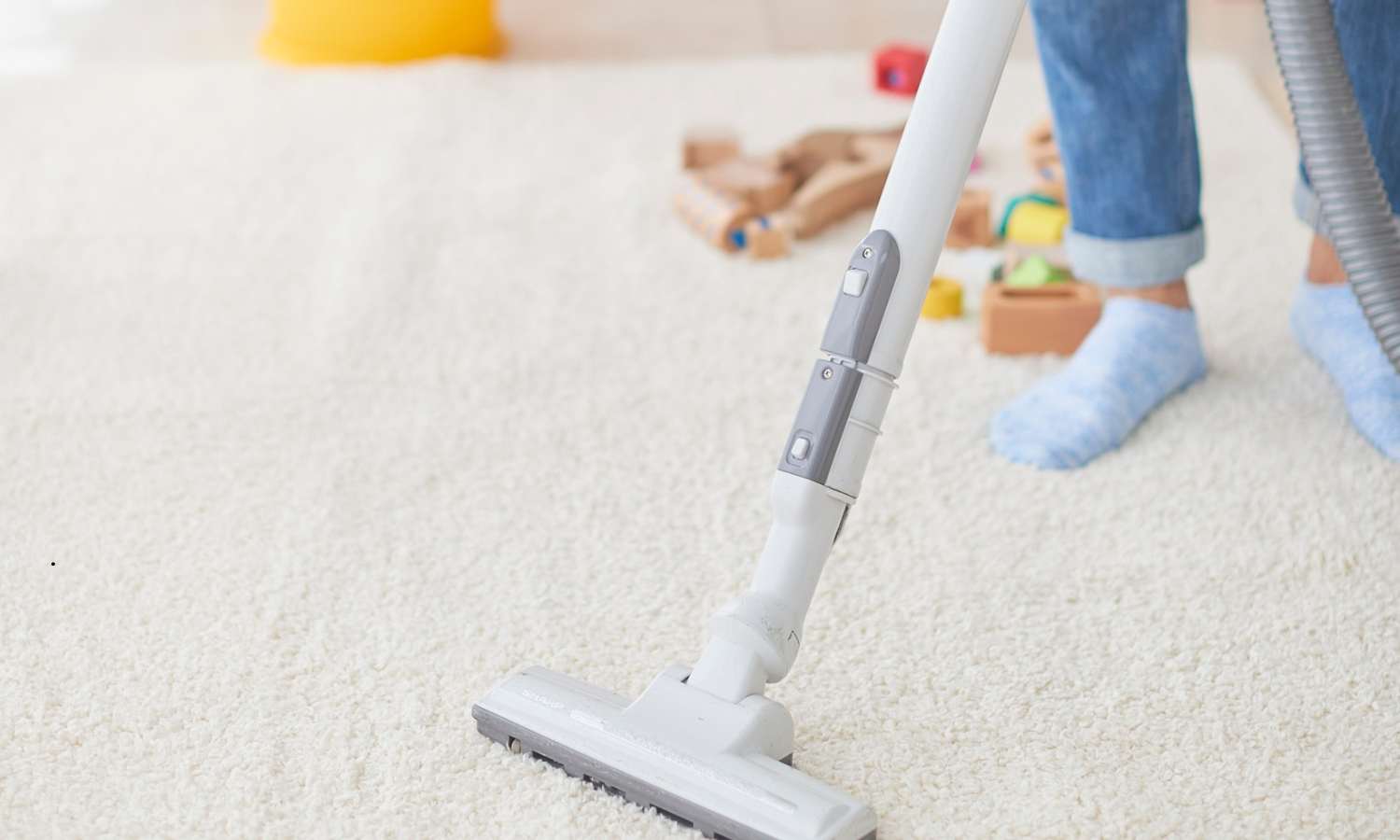
- Vacuum both sides of the rug every one to two weeks, using a setting appropriate for the pile height
- Rotate the rug every few months to distribute foot traffic wear evenly
- Shake smaller rugs outside to dislodge embedded debris that vacuuming misses
- Use a rug pad underneath to prevent slipping and reduce friction on the backing
- Address spills immediately by blotting with a dry cloth before they penetrate the fibers
How to Deep Clean Different Types of Area Rugs at Home
Synthetic Rugs
These are the most forgiving to clean at home. Small synthetic rugs can often be taken outside, hosed down, scrubbed gently with a mild soap solution, and left to dry in the sun. Larger rugs benefit from a wet-dry vacuum to extract moisture after washing. If outdoor cleaning is not possible, avoid steam cleaning rugs indoors unless the manufacturer specifically recommends it, as excess heat and moisture may damage certain rug backings.
Cotton Rugs
Smaller cotton rugs can go in the washing machine on a gentle, cold cycle. Hang dry or lay flat to avoid shrinkage in the dryer. For larger cotton rugs, spot-treat stains and use only a minimal amount of water to avoid soaking the backing.
Wool Rugs
Use cold water and a wool-safe cleaning solution. Avoid scrubbing, which breaks down wool fibers. Blot stains carefully and allow them to dry thoroughly in a well-ventilated area. Avoid direct sunlight during drying, which can fade natural wool dyes.
Natural Fiber Rugs
Moisture is the enemy of jute, sisal, and seagrass. Spot-treat small areas with a dry powder cleaner or a minimal damp application, then dry immediately with a fan. If you need to remove stains from sisal rugs, use only cleaning products designed for natural fibers and avoid saturating the material. Broad wet cleaning at home is not recommended for these materials.
Common Mistakes That Damage Area Rugs
- Soaking the rug backing with excess water, which causes mold and fiber breakdown
- Using bleach or harsh chemicals on natural fiber and wool rugs
- Scrubbing stains rather than blotting, which spreads the affected area
- Allowing a wet rug to dry rolled up or folded, which causes mildew
- Skipping the patch test before applying any cleaning product to the full rug surface
When Professional Area Rug Cleaning Is the Better Choice
Some rugs are too valuable, too delicate, or too large to clean effectively at home. Professional area rug cleaning in NYC uses specialized equipment and rug-specific cleaning methods to handle everything from everyday synthetic rugs to high-value Persian and Oriental pieces.
At Vapor Cleaning Pros, each rug is assessed for fiber content and construction before any cleaning method is selected. This matters because a cleaning method appropriate for a polyester rug can permanently damage a silk or wool piece.
For clients across the boroughs, rug cleaning in Brooklyn and in Queens follows the same thorough process, using the same professional-grade equipment used across all Vapor Cleaning Pros services.
Conclusion
Properly cleaning an area rug starts with knowing what it is made of and choosing a method that respects its material. Routine maintenance keeps it looking good between deep cleans, and professional care reaches what home methods cannot.
When your area rug is ready for a thorough, professional clean that protects the fibers and restores the look, schedule your service with Vapor Cleaning Pros and see the difference that the right method makes.
Frequently Asked Questions
How often should an area rug be professionally cleaned?
Most area rugs benefit from professional cleaning every 12 to 18 months, depending on foot traffic, pets, and household activity. High-traffic rugs or those in homes with pets and children may need cleaning more frequently.
Can I use a carpet cleaner machine on an area rug?
It depends on the rug material. Synthetic rugs can generally be cleaned with carpet cleaner machines. Wool, silk, and natural fiber rugs should not be cleaned with standard carpet machines because the heat and moisture levels are too high for these materials.
How do I quickly get a stain out of an area rug?
Blot the spill immediately with a dry cloth to absorb as much liquid as possible. Apply a small amount of mild dish soap to a clean cloth, blot gently, then rinse with a damp cloth and blot dry. Avoid rubbing at any point.
Is it safe to wash an area rug in the washing machine?
Small cotton and synthetic rugs can often be machine-washed on a gentle, cold cycle. Wool, silk, and natural-fiber rugs should not go in the washing machine, as the agitation and moisture can cause shrinkage or damage to fibers.
How long does it take an area rug to dry after cleaning?
Drying time depends on the rug material and airflow. Synthetic rugs may dry in a few hours with good ventilation. Thicker wool rugs can take 24 hours or more. Always ensure the rug is completely dry before placing it back on the floor to prevent mold.