Sisal rugs bring a grounded, natural look to any space, and they are genuinely tough underfoot. But the same natural-fiber construction that makes them durable also makes them among the trickiest rug types to clean. If you have ever tried to tackle a sisal rug clean with water and found things got worse rather than better, you are far from alone. Moisture is sisal’s biggest enemy, and most standard rug cleaning advice simply does not apply here. This guide covers exactly how to clean a sisal rug safely, what to do about stains, and when professional care is the smarter call. Homeowners looking for rug cleaning Staten in Island services should be especially careful when choosing a company experienced in handling delicate natural-fiber rugs like sisal.
What Makes Sisal Rugs Different
Sisal is a natural plant-based fiber extracted from the agave plant. It is popular for its texture, durability, and earthy appearance, but it has specific limitations that affect how it can be cleaned.
- Sisal fibers absorb moisture quickly and release it slowly
- Water contact causes the fibers to swell, which can lead to shrinkage, browning, and distortion
- Wet sisal can develop mold and mildew within hours if not dried immediately and thoroughly
- The natural dyes in sisal can bleed when exposed to water or harsh chemicals
- The latex or jute backing on many sisal rugs can separate or deteriorate when soaked
Understanding these properties is what separates a successful sisal rug cleaning from an expensive mistake.
Routine Maintenance for Sisal Rugs
Because sisal cannot be cleaned with water the same way other rugs can, regular dry maintenance becomes especially important. While every rug material has unique care requirements, Persian rug maintenance and sisal rug upkeep both rely on consistent cleaning routines to preserve their appearance and extend their lifespan.
Staying on top of dry cleaning habits reduces the frequency of deeper treatment needed.
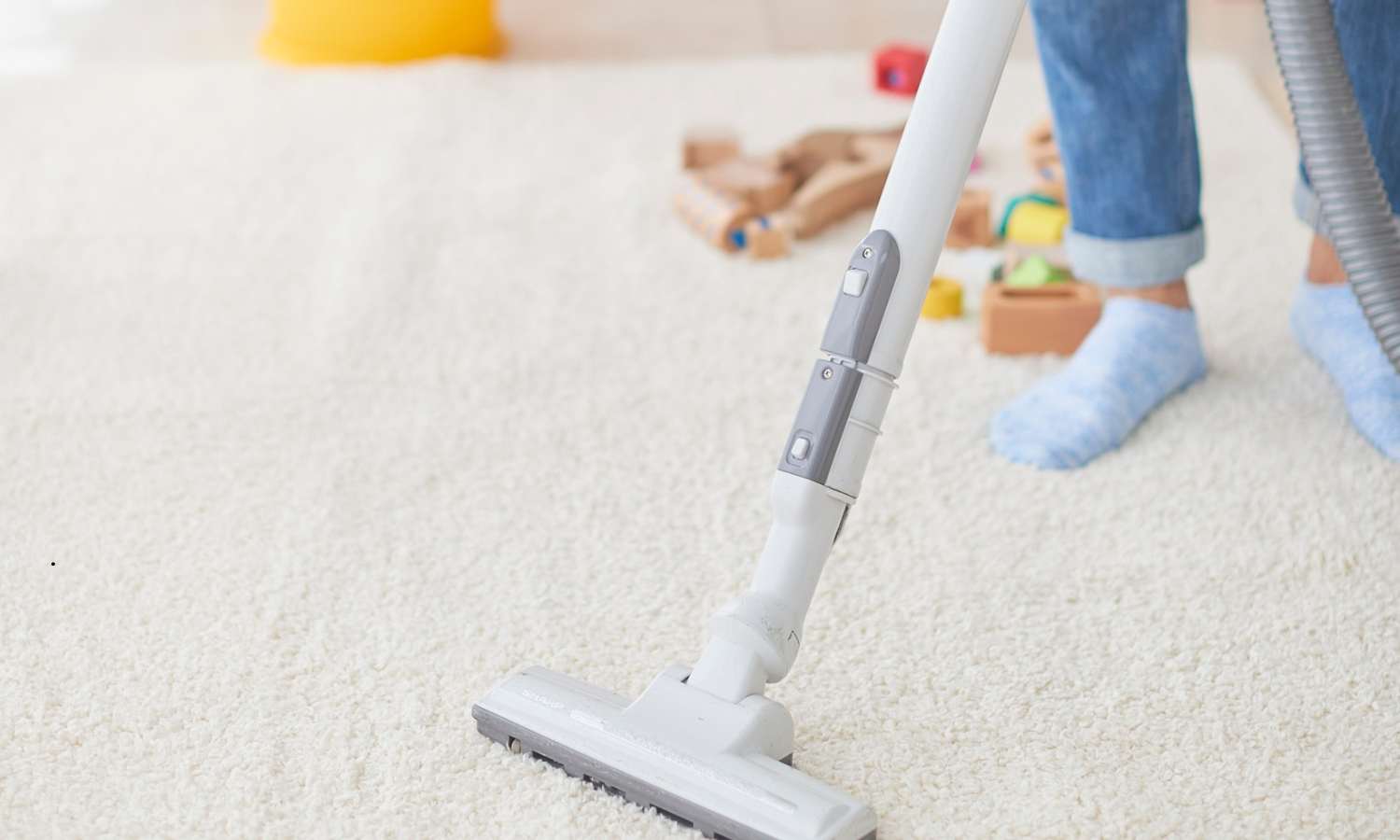
- Vacuum your sisal rug at least once a week, going with the grain of the weave rather than against it
- Shake smaller rugs outside regularly to dislodge trapped dry debris
- Use a stiff-bristle brush occasionally to loosen dirt from between the fibers
- Rotate the rug every few months to ensure even wear and sun exposure
- Keep sisal rugs in rooms with good ventilation and stable humidity levels
These habits prevent buildup from reaching the point where deeper cleaning becomes urgent.
How to Handle Dry Spills and Debris
Dry spills like soil, crumbs, or powder are the easiest to address on sisal and should always be handled before attempting any further cleaning.
- Allow muddy material to dry completely before touching it
- Once dry, scrape away solid debris gently using a dull edge
- Vacuum thoroughly in multiple directions to pull remaining particles out of the weave
- Follow with a stiff brush to lift anything left behind after vacuuming
Dry debris handled this way rarely leaves a lasting mark on sisal fibers.
Treating Stains on a Sisal Rug
Stains on sisal require as little moisture as possible. The goal is to lift the stain without introducing enough water to cause the fiber problems described above.
For Liquid Spills
Act immediately. The faster you respond, the less liquid penetrates the fibers.
- Blot with a dry, absorbent cloth using firm pressure, working from the outside of the spill inward
- Do not rub or spread the liquid
- Place a dry towel over the area and press down with a weight to absorb remaining moisture
- Aim a fan directly at the spot and keep it running until the area is completely dry
For Food and Grease Stains
- Scrape away solids immediately without pressing them further into the weave
- Apply a small amount of dry cleaning solvent or corn starch to absorb the grease
- Let it sit for 10 to 15 minutes, then vacuum or brush away
- Avoid water-based cleaners for grease on sisal, which can spread the stain and add moisture
For General Staining
A very small amount of club soda applied with a cloth, blotted immediately, then aggressively dried, can lift light stains. This should be used sparingly and only in targeted spots. The area must be dried with a fan immediately after.
What to Absolutely Avoid on Sisal Rugs
Some commonly used cleaning methods can seriously damage sisal.
- Do not saturate the rug with water under any circumstances
- Do not use steam cleaners or hot water extraction machines on sisal
- Avoid carpet shampoo or liquid upholstery cleaners that require rinsing
- Do not scrub stains, which breaks down the fibers and spreads the affected area
- Never fold or roll a damp sisal rug, which accelerates mold growth in the backing
When to Call a Professional for Sisal Rug Cleaning
Some situations with sisal rugs go beyond what careful home treatment can safely address.
- Large stains covering a significant surface area
- Stains that have already dried and set into the fibers
- Any sign of mold, mildew, or a musty smell developing from the rug
- Browning or discoloration across large sections of the rug
Vapor Cleaning Pros offers area rug cleaning in NYC, with expertise in natural-fiber rugs, including sisal, jute, and seagrass. The cleaning process for these materials is fundamentally different from standard rug cleaning and requires professional equipment and knowledge to execute without causing damage.
For clients in Manhattan, rug cleaning with Vapor Cleaning Pros includes a full fiber assessment and a cleaning method tailored to what the rug material can safely handle.
Conclusion
Cleaning a sisal rug requires a dry-first mindset that goes against most standard cleaning instincts. Minimal moisture, immediate drying, and consistent dry maintenance are the foundations of keeping natural fiber rugs in great condition. For stains that go beyond surface level or odors that have developed over time, professional care is the safest and most effective solution available.
Give your sisal rug the care it actually needs. Connect with Vapor Cleaning Pros for professional natural fiber rug cleaning by experts who understand exactly how these materials behave and what they require.
Frequently Asked Questions
Can you use water to clean a sisal rug?
Water should be used as minimally as possible on sisal. Small amounts for targeted spot treatment are sometimes necessary, but broad water application causes shrinkage, browning, and mold in the backing. Dry cleaning methods are always preferred.
How do I get a liquid spill out of a sisal rug?
Blot immediately with a dry cloth using firm pressure, working from the edges of the spill inward. Layer dry towels over the area and press down. Follow with a fan aimed directly at the spot until it is completely dry.
Can sisal rugs be professionally steam cleaned?
No, steam cleaning is not appropriate for sisal. The heat and moisture involved in steam cleaning cause exactly the fiber damage and moisture absorption problems that sisal is most vulnerable to. Dry or low-moisture professional methods are the correct approach.
Why is my sisal rug turning brown in spots?
Browning on sisal is typically caused by moisture contact, either from a spill, a cleaning attempt, or high humidity. It is a sign that the natural fibers have absorbed water and begun to oxidize. Professional treatment can sometimes reverse browning if addressed early.
How often should a sisal rug be professionally cleaned?
Once a year is generally appropriate for sisal rugs in regular use. Given how sensitive the material is to moisture, professional cleaning by someone experienced with natural-fiber rugs is strongly recommended rather than repeated DIY attempts.