Choosing a new rug for your home is exciting, but the real work starts after it’s placed on your floor. When homeowners compare Natural Fiber Rugs vs. Synthetic Rugs, the biggest question is always about upkeep.
We work with rugs of every material every single day, and we know exactly what each type needs to stay clean, fresh, and long-lasting. This guide breaks down the real differences so you can care for your rug the right way.
Understanding the Difference Between Natural and Synthetic Rugs
Before diving into care routines, it helps to know what separates these two rug categories. The fiber type affects everything from how to clean a wool rug to how a rug handles spills and foot traffic.
What Are Natural Fiber Rugs?
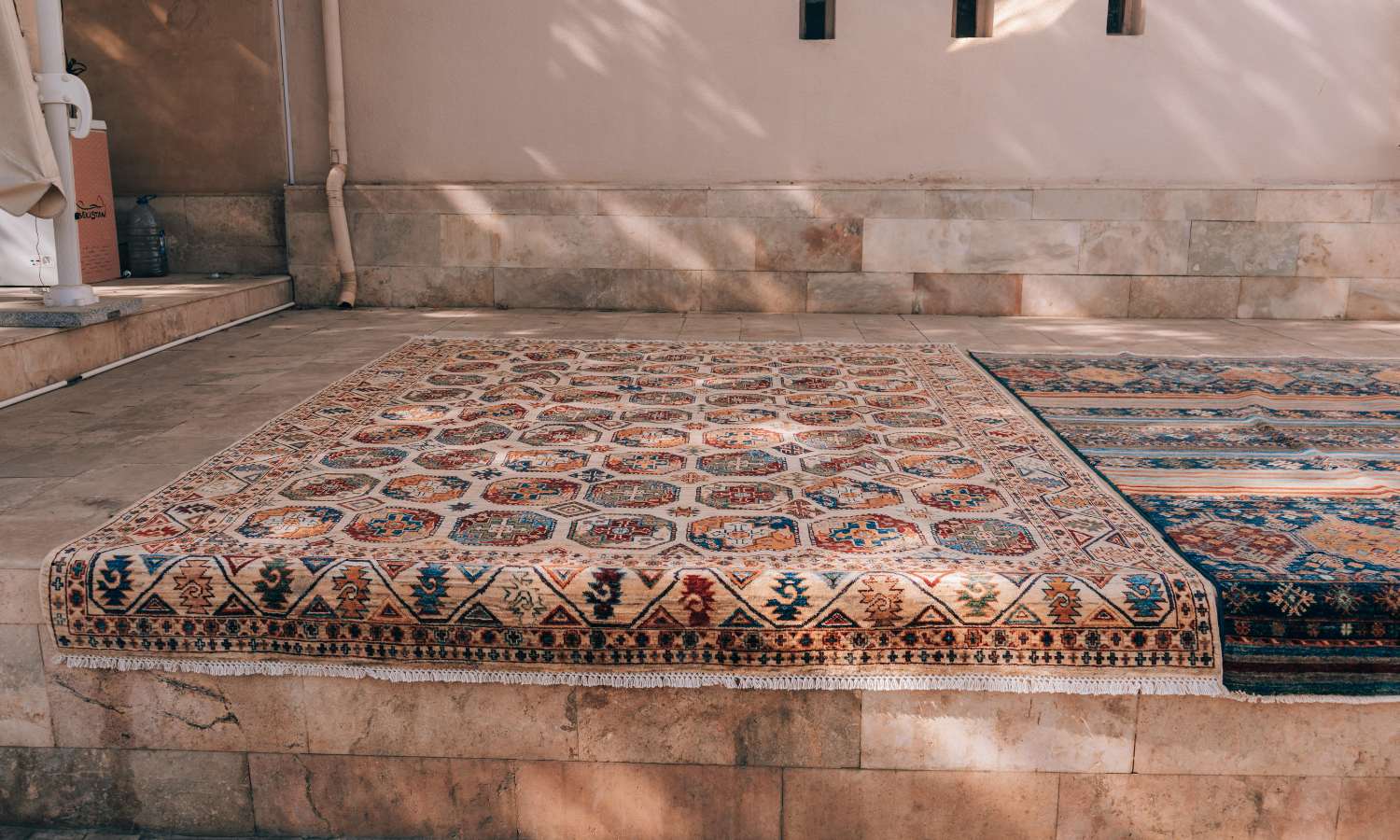
Natural fiber rugs are made from materials like wool, cotton, jute, sisal, and silk. These fibers come straight from plants and animals, giving the rug a soft, organic texture and a warm, breathable feel underfoot.
Wool rugs are known for their durability and natural stain resistance. Jute and sisal rugs add texture and an earthy look, though they are more absorbent and moisture-sensitive than wool.
What Are Synthetic Rugs?
Synthetic rugs are manufactured from man-made fibres such as nylon, polyester, polypropylene, and acrylic. These materials resist stains, fading, and moisture, making them popular for busy households.
Many homeowners search for the best way to clean synthetic rugs since these rugs are common in high-traffic areas like entryways and living rooms.
Cleaning and Maintenance Needs
This is where the real comparison begins. When it comes to Natural Fiber Rugs vs. Synthetic Rugs, natural materials generally demand more careful and consistent maintenance.
Caring for Natural Fiber Rugs
Natural fibers absorb moisture quickly, so spills require immediate attention. Left too long, liquid can seep into the fibers and cause mold, mildew, or permanent discoloration.
Vacuuming should be gentle and frequent, since natural fibers can fray under harsh brush settings. Deep cleaning requires specialized techniques because excessive water can shrink or warp the rug.
Jute and sisal rugs are especially sensitive. They should never be steam cleaned with excess moisture, since the fibers retain water and dry slowly, inviting mildew growth.
Caring for Synthetic Rugs
Synthetic rugs are far more forgiving day-to-day. Their fibers resist staining and repel moisture, so spills are easier to wipe up before they set in.
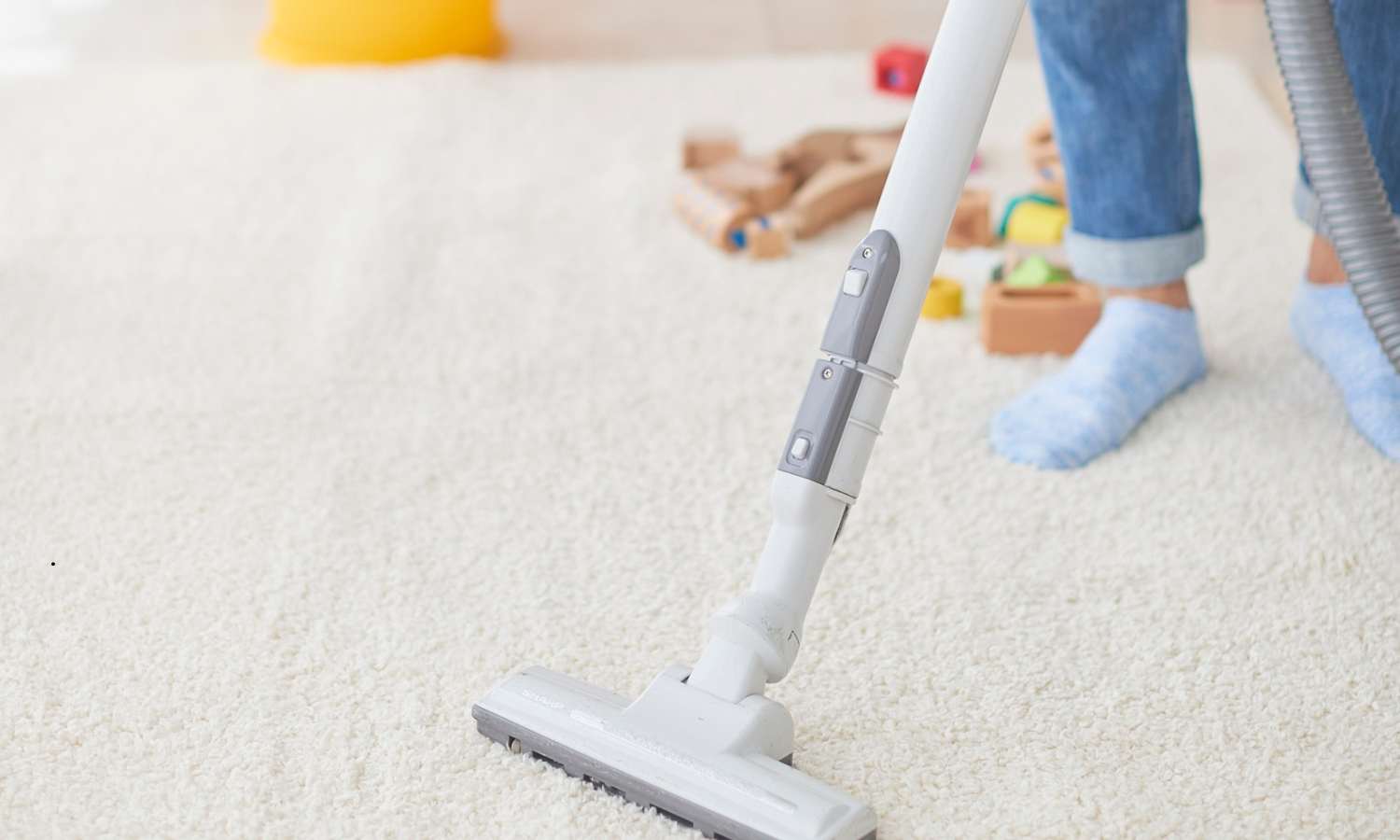
Routine vacuuming keeps synthetic rugs looking fresh, and they generally tolerate deeper cleaning methods without the risk of shrinking or warping. This makes them practical for homes with kids or pets.
However, synthetic rugs are not maintenance-free. Over time, dirt and oils can build up deep in the fibers, and without professional attention, the rug can start to look dull and matted.
Durability and Lifespan
Durability is another key factor homeowners weigh when choosing between rug materials. Wool rugs, when properly cared for, can last decades and often become family heirlooms passed down through generations.
Synthetic rugs tend to have a shorter lifespan in high-traffic zones, since fibers can flatten and lose their bounce over time. Regular professional cleaning extends the life of both rug types.
The bottom line is that natural fibers reward careful, consistent care with impressive longevity, while synthetic rugs offer resilience but benefit greatly from routine deep cleaning.
Common Mistakes Homeowners Make When Cleaning Rugs
Many homeowners searching for rug cleaning tips unknowingly damage their rugs. Scrubbing a stain instead of blotting it pushes the spill deeper into the fibers.
Using too much water on natural fiber rugs is another frequent issue. Excess moisture that does not dry quickly enough becomes the perfect environment for mold and unpleasant odors.
Skipping professional cleaning altogether is also common. Even rugs that look clean on the surface can trap allergens, dust mites, and bacteria deep within the fibers.
Which Should You Choose?
There is no universal winner in the Natural Fiber Rugs vs. Synthetic Rugs comparison. Your choice should depend on your household needs, lifestyle, and how much time you want to spend on maintenance.
Families with young children or pets often lean toward synthetic rugs for their stain resistance and easier upkeep. Homeowners who value natural materials often choose wool or cotton, knowing it requires a bit more attention.
Whichever you choose, regular professional cleaning is the single best way to protect your investment and keep your home looking its best.
Why Professional Rug Cleaning Matters
No matter where you land in the Natural Fiber Rugs vs. Synthetic Rugs debate, DIY methods can only go so far. Store-bought cleaners often leave excess moisture behind, which is risky for natural fiber rugs prone to mildew.
Professional deep cleaning uses techniques designed for each fiber type, protecting delicate natural fibers while restoring the texture and appearance of synthetic rugs.
We use methods tailored to your rug’s exact material, so whether you own a delicate silk piece or a durable synthetic runner, your rug gets the care it truly needs.
Let Us Take the Guesswork Out of Rug Care
Whether your home features natural fiber rugs, synthetic rugs, or a mix of both, proper care makes all the difference in how long they last and how good they look.
Our team knows exactly how to treat every type of rug, from delicate wool heirlooms to durable synthetic favorites. We use safe, effective methods that protect your rug’s fibers while delivering a deep, lasting clean.
Do not wait until stains set in or odors take hold. Reach out to our team today and schedule a professional rug cleaning that keeps your home fresh, healthy, and beautiful for years to come.
Frequently Asked Questions
How often should natural fiber rugs be professionally cleaned?
We recommend professional cleaning every 12 to 18 months to prevent moisture damage, fiber breakdown, and the buildup of dust or allergens over time.
Can synthetic rugs be steam cleaned safely?
Yes, most synthetic rugs handle steam cleaning well since their fibers resist moisture damage, though proper drying time still matters for the best results.
Do wool rugs shed more than synthetic rugs?
Wool rugs often shed initially as loose fibers settle, while synthetic rugs shed less overall but can flatten and mat with heavy foot traffic.
Are jute and sisal rugs harder to maintain than synthetic options?
Yes, jute and sisal absorb moisture easily and require careful spot cleaning, while synthetic rugs tolerate spills and cleaning products with far less risk.
What causes rugs to smell musty over time?
Trapped moisture, pet accidents, and dust buildup deep in the fibers commonly cause musty odors, especially in natural fiber rugs that retain humidity longer.