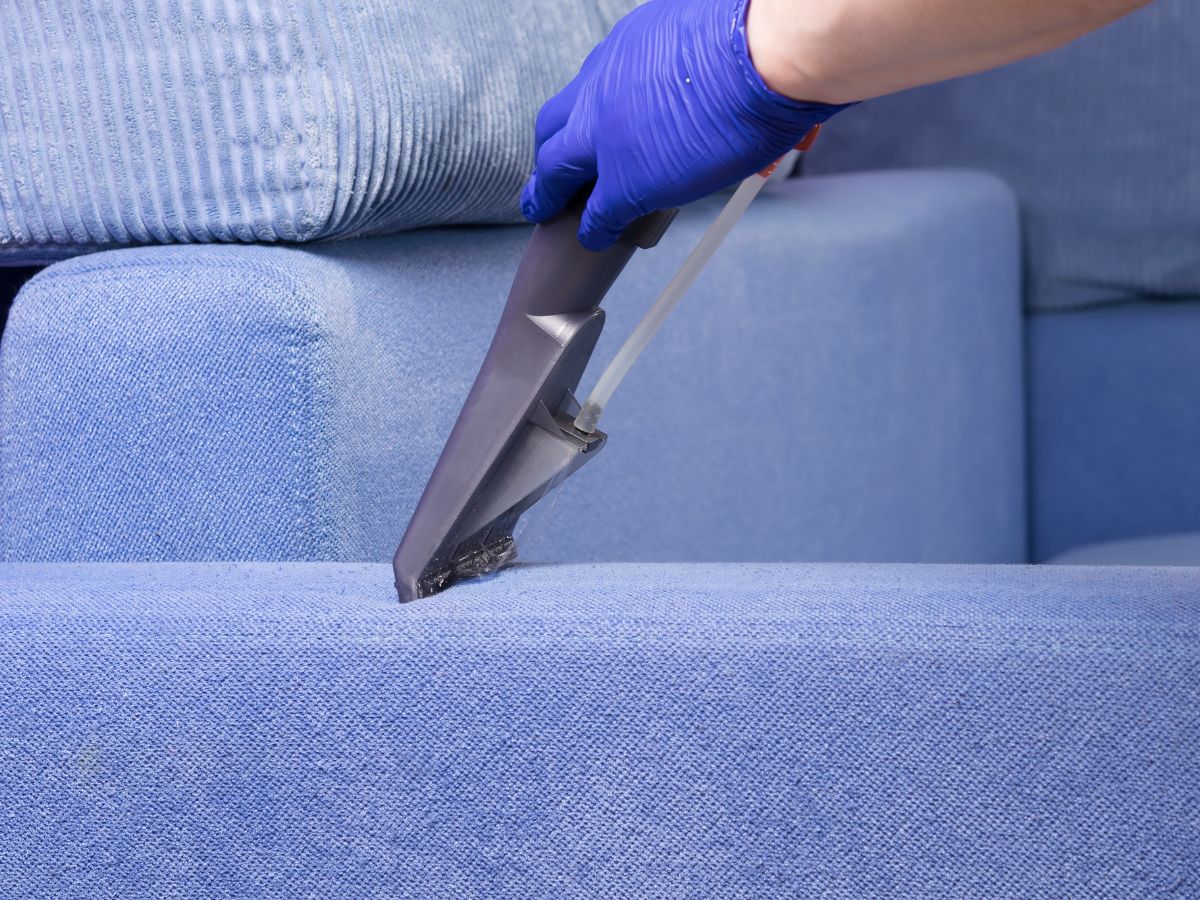
Most professionally cleaned upholstery dries in 4 to 12 hours. Low-moisture or fast-dry methods can finish in 1 to 4 hours, while heavy steam extraction may take 12 to 24 hours. Drying time depends on the cleaning method, fabric type, cushion thickness, humidity, and airflow.
If you have recently scheduled a furniture cleaning or are considering one, one of the first questions is how soon you can use your couch again. The good news is that drying is often faster than people expect, especially when modern equipment and proper extraction are used. This guide explains how long upholstery takes to dry, what affects the timeline, and how to help your furniture dry faster.
How long does upholstery usually take to dry?
Most residential upholstery cleaning Brooklyn homeowners schedule dries within 4 to 12 hours, depending on the cleaning method, fabric, cushion thickness, and indoor conditions. Similar results can be expected for Upholstery Cleaning in Upper East Side when performed using professional extraction equipment. Lightweight fabrics dry faster, while dense sectionals take longer. Many of the same moisture-control principles used in carpet drying methods also help professionals achieve faster upholstery drying.
General drying time by cleaning method:
- Low-moisture or fast-dry methods: 1- 4 hours under normal conditions.
- Standard professional cleaning: 4 to 12 hours for most upholstery.
- Heavy steam or saturated cleaning: 12 to 24 hours, sometimes longer in humid weather.
Professional extraction equipment removes most of the moisture during cleaning, which is why professional drying times are typically much shorter than DIY methods.
What factors affect upholstery drying time?
Several factors influence upholstery drying time after cleaning. The amount of moisture used matters, but environmental conditions often play just as big a role.
Common factors that affect drying speed:
- Upholstery material: Some fabrics absorb and release moisture faster than others.
- Cushion thickness: Dense cushions hold moisture longer.
- Indoor humidity: High humidity slows evaporation.
- Airflow: Better circulation shortens drying time.
- Room temperature: Warmer rooms generally encourage faster evaporation.
These factors work together to set the realistic drying window for any cleaning appointment.
Does fabric type make a difference?
Yes. Fabric type is one of the biggest drivers of drying time because different materials respond differently to moisture and airflow. Professional cleaners always identify the upholstery type before choosing a cleaning method.
How do common upholstery fabrics respond after cleaning?
- Microfiber: Dries relatively quickly thanks to its moisture-resistant structure.
- Cotton: Absorbs more moisture and often needs longer to dry.
- Linen: Natural fibers benefit from careful moisture control.
- Velvet: Delicate texture often requires specialized low-moisture cleaning.
- Synthetics: Most dry faster than natural-fiber alternatives.
Matching the cleaning method to the fabric improves both cleaning results and drying efficiency, whether for upholstery or car fabric cleaning.
Why does professional cleaning dry faster than DIY?
Professional cleaning dries faster because professional equipment extracts much more moisture than rental machines or household tools. The difference comes down to suction power and moisture control.
Why professional cleaning shortens drying time:
- Stronger extraction: More moisture is removed immediately during cleaning.
- Controlled water usage: Professional systems avoid oversaturation.
- Fabric-specific methods: Each material gets the right amount of moisture for its needs.
- Better moisture management: Experienced technicians balance cleaning depth with drying speed.
DIY equipment often applies more water than it can extract, which can significantly extend drying times and create a lingering odor risk.
Can humidity affect upholstery drying?
Yes. Humidity is one of the most important environmental factors. High humidity slows evaporation because the air already holds significant moisture, leaving less room for water to leave the fabric. This is especially noticeable during humid NYC summers.
Signs humidity is slowing drying:
- Fabric still feels slightly damp after several hours
- Cushions retain moisture longer than expected
- Drying feels slower than normal, even with airflow
- The room itself feels humid or sticky
When humidity is high, airflow and air conditioning become even more important.
How can you help upholstery dry faster?
A few small steps significantly speed up drying after professional cleaning. The goal is to create a well-ventilated room with lower humidity.
Easy ways to speed up drying:
- Open windows when the weather allows: Fresh air encourages moisture to evaporate.
- Run ceiling fans: Constant air movement lifts moisture from surfaces.
- Use portable fans nearby: Directed airflow noticeably shortens drying.
- Turn on air conditioning: Lower indoor humidity is one of the strongest accelerators.
- Keep cushions uncovered: Blankets, throws, and pillows trap moisture.
These actions create ideal drying conditions without any specialized equipment.
Is it safe to sit on upholstery before it is fully dry?
Generally no. Using furniture before it has dried can slow the drying process and push moisture deeper into the cushions, extending the timeline and potentially creating odor problems.
Reasons to wait until upholstery is fully dry:
- Moisture is evenly distributed: Drying remains consistent across the furniture.
- Appearance stays uniform: Premature use can affect drying patterns or leave marks.
- Cushions maintain comfort: Proper drying preserves their shape and structure.
- Odor risk drops: Complete drying prevents musty smells from forming.
Letting furniture dry naturally produces the best long-term results.
What happens if upholstery dries too slowly?
Slow drying is not always a problem, but extended dampness can create real issues if it goes on for too long. This is why professional moisture control matters.
Potential issues with slow drying:
- Musty odors may develop from trapped moisture.
- Airborne dust sticks more easily to damp surfaces.
- Comfort suffers when cushions feel damp during use.
- Uneven drying leaves some areas damp longer than others.
Strong extraction and good airflow are the two best ways to prevent these problems.
Why does professional cleaning matter beyond drying speed?
Professional cleaning matters because it removes contamination that household methods miss, regardless of how quickly the furniture dries. Upholstery accumulates dirt, allergens, body oils, pet dander, and bacteria, and only deep extraction can reach the layers beneath. Professional Steam Cleaning Services Chelsea NYC also help sanitize upholstery while supporting efficient moisture removal.
At Vapor Cleaning Pros, we use methods designed to clean deeply while helping furniture dry efficiently. Benefits include:
- Deep contaminant removal from below the fabric surface
- Improved appearance as color and texture are restored
- Better odor control by removing the source, not masking it
- Faster drying thanks to stronger extraction
- Longer furniture life when fibers are kept clean of abrasive debris
Drying speed is just one reason professional cleaning makes a difference.
Ready to enjoy fresh, clean furniture again?
Knowing how long upholstery takes to dry helps you plan confidently and avoid moisture-related problems. Most furniture dries within several hours when proper extraction and airflow are used. If your couch, loveseat, sectional, or upholstered chairs need professional attention, now is a good time to get a quote or book professional cleaning services with experienced NYC professionals.
Frequently Asked Questions
How long does upholstery usually take to dry after cleaning?
Can humidity affect upholstery drying time?
Why does professional upholstery cleaning dry faster?
Professional equipment removes far more moisture during cleaning than household machines, which shortens drying time.


