A freshly cleaned carpet can instantly make your home feel cleaner and more comfortable, but the work doesn’t end when the cleaning process is finished. One of the most important steps is making sure the carpet dries properly. Excess moisture left behind in the fibers or padding can lead to unpleasant odors, mold growth, mildew, and even permanent damage to the carpet itself.
If you’ve had your carpets professionally steam cleaned or completed shampoo carpet cleaning using a rental machine, knowing how to dry carpet after cleaning can help you protect your investment and get your floors back in shape faster. However, humidity, carpet thickness, and airflow can greatly affect the drying process. Most carpets will be dry in a matter of hours. Proper drying also helps reduce moisture in carpets, lowering the risk of mold and extending the life of your flooring. It also plays an important role in effective carpet maintenance, helping preserve your carpet’s appearance and performance over time.
In this guide, we’ll explain why drying a carpet after cleaning is essential, the time it takes, and how to dry carpet after cleaning.
Why Is Drying a Carpet After Cleaning Essential?
Most homeowners work on removing dirt and stains but forget about the need for proper drying. If you leave a carpet wet for a long time, you may encounter problems that are unfortunately, often harder to solve than the stains themselves.
Moisture trapped beneath the carpet fibers or padding provides the ideal conditions for mold and mildew growth. These microorganisms thrive in dark and moist places and can create musty odors that permeate the room. In extreme cases, mold growth can necessitate cleaning or even replacing the carpet.
Incorrect drying can also damage the carpet backing and weaken the adhesives that hold the fibers together. Proper drying helps preserve the appearance, cleanliness, and lifespan of your carpet while ensuring your home remains fresh and healthy. Therefore, homeowners in NYC choose professional carpet cleaning services to get quick results.
How Long Does Carpet Take to Dry After Cleaning?
The time required for a carpet to dry depends largely on the cleaning method used and the conditions in your home.
Most carpets dry in six to twelve hours after professional steam cleaning. However, thick carpets, high humidity, and poor airflow may increase the drying time to as much as 24 hours. Wool carpets generally take longer to dry than synthetic materials because they absorb more moisture.
How to Dry Carpet After Cleaning
A freshly cleaned carpet can make your home look and feel noticeably cleaner, but the job isn’t finished until the carpet has dried completely. Knowing how to dry carpet after cleaning properly can help prevent mold, musty odors, and damage while getting your floors back to normal faster.
Open Windows and Doors for Better Airflow
One of the easiest ways to dry carpet after cleaning is to increase ventilation throughout the room. Opening windows and doors allows fresh air to circulate, helping moisture evaporate more quickly.
This method works particularly well during dry weather. However, if the outdoor humidity is high, keeping windows closed and relying on indoor air circulation may be more effective.
Use Fans to Dry Carpet Faster
Fans are one of the most effective tools for speeding up carpet drying. Ceiling fans, pedestal fans, and box fans help move air continuously across the carpet surface, allowing moisture to evaporate faster.
For the best results, place several fans around the room and direct them toward damp areas.
Turn on Your Air Conditioner
Air conditioners do more than cool your home—they also remove humidity from the air. Lower humidity levels encourage moisture trapped in carpet fibers to evaporate faster.
Running your HVAC system after carpet cleaning can create a more controlled environment and help carpets dry more evenly.
Use a Dehumidifier
If you live in a humid climate, a dehumidifier can make a major difference. These devices remove excess moisture from the air, making it easier for water in the carpet to evaporate.
Dehumidifiers are especially useful in basements, apartments, and rooms with limited ventilation where moisture tends to linger longer.
Increase Air Circulation With Your HVAC System
Keeping your heating or cooling system running promotes continuous airflow throughout your home. This steady circulation prevents damp pockets from forming and helps moisture escape more efficiently.
Combining HVAC airflow with fans often produces the fastest drying results.
Remove Excess Water Immediately
If you’ve used a rental carpet cleaner or accidentally over-wet the carpet, removing excess water should be your first priority.
A wet vacuum or carpet extractor can pull out a considerable amount of moisture before it penetrates the carpet padding. The less water left behind, the quicker your carpet will dry.
Limit Foot Traffic
Walking on a damp carpet compresses the fibers and transfers dirt back onto the freshly cleaned surface. Excessive traffic can also slow the drying process.
Try to keep children, pets, and household activity away from the area until the carpet is completely dry.
Use Towels to Absorb Moisture
For small damp areas, clean, dry towels can help absorb excess water. Place the towel over the wet spot and apply gentle pressure to soak up moisture.
This method works especially well for isolated areas that remain damp after the rest of the carpet has dried.
Vacuum the Carpet Once It Has Dried
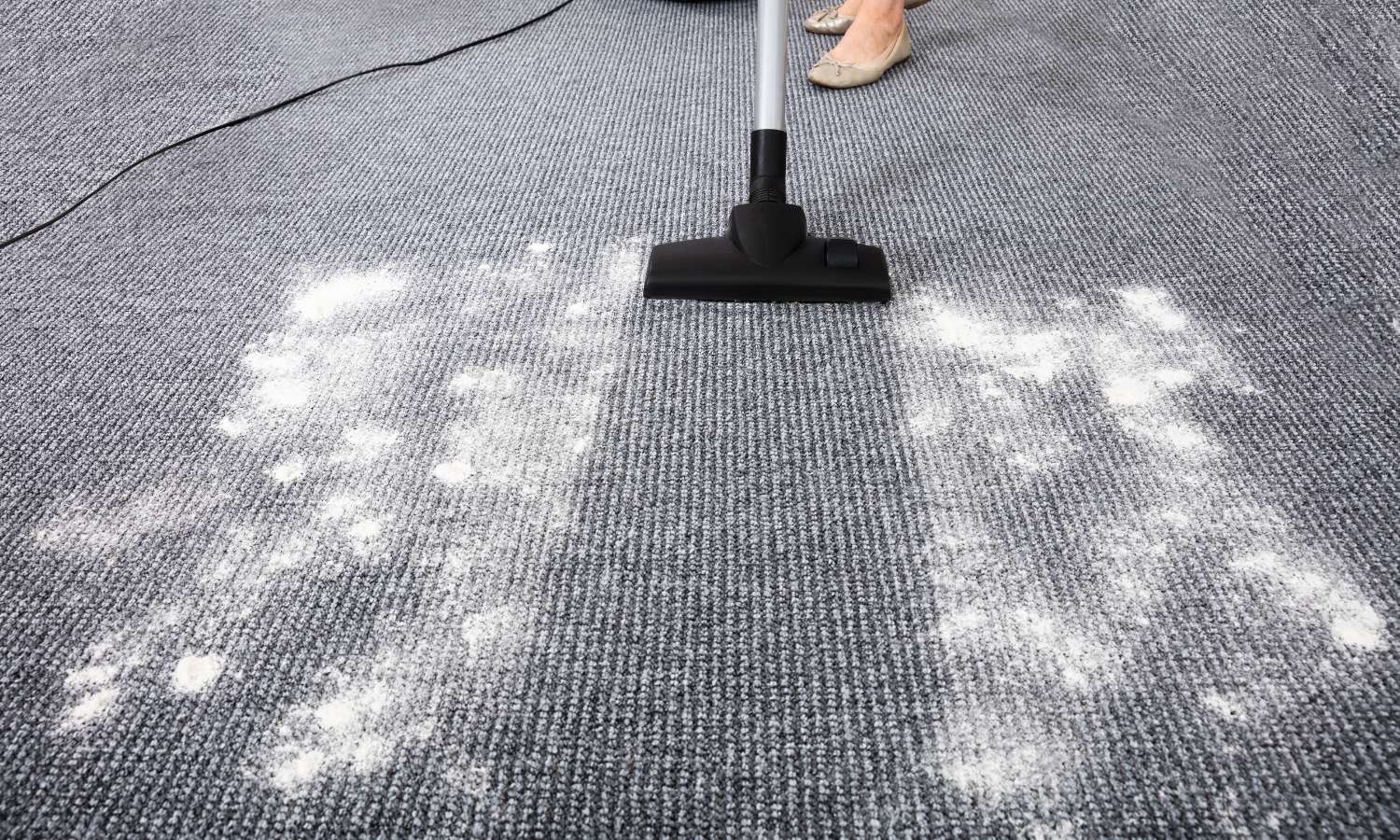
After the carpet has dried completely, vacuuming carpets helps lift the fibers and restore their texture. It also removes any remaining debris loosened during cleaning, leaving the carpet looking fresh and fluffy.
Common Mistakes to Avoid When Drying Carpet
Some homeowners unintentionally slow down the drying process or create additional problems.
Closing the room completely and preventing air circulation often causes moisture to remain trapped for longer periods. Similarly, placing furniture back too soon can block airflow and create damp areas beneath tables, sofas, and chairs.
Another mistake is too much heat. Use of hair dryers, space heaters or extremely high temperatures may cause damage to carpet fibers or adhesives. Moderate temperatures and a steady flow of air are far safer and more effective.
Ignoring damp spots can also cause big problems. If, after 24 hours, any areas are still wet, moisture could have penetrated into the carpet padding. In such cases, additional measures may be needed to prevent the growth of mold and mildew.
How Professional Carpet Cleaning Can Help
Professional carpet cleaning equipment is designed to extract much more water than standard rental or consumer machines. Powerful extraction systems remove a significant amount of moisture during the cleaning process, allowing carpets to dry faster and reducing the risk of over-wetting.
Experienced professional carpet cleaners adapt cleaning methods based on the carpet material, the soil conditions, and humidity levels. This allows the carpet to be thoroughly cleaned with minimal drying time and without subjecting it to unnecessary moisture.
Choose our carpet cleaning services for your home. Get a quote.
Frequently Asked Questions
How can I dry carpet faster after cleaning?
The best way to speed up carpet drying is to improve airflow by using fans, air conditioning, and dehumidifiers. Ventilating the room and reducing foot traffic can also help moisture evaporate faster.
Can a wet carpet cause mold?
Yes. If moisture remains trapped for 24 to 48 hours or more, mold and mildew can begin to develop. Proper ventilation and prompt drying are essential to prevent this problem.
Should I open windows after carpet cleaning?
Opening windows can improve airflow when outdoor humidity is low. However, during humid weather, using air conditioning and fans may be more effective.
Can I sleep in a room after it's been carpet cleaned?
Yes, but it is best to ensure the room is well ventilated and that the carpet is drying properly. Adequate airflow helps prevent moisture buildup and unpleasant odors.
How long should I wait before putting furniture back on the carpet?
It is generally recommended to wait until the carpet has completely dried, which may take anywhere from six to twenty-four hours, depending on the cleaning method and environmental conditions.


