Regular carpet cleaning is important to remove dirt, allergens, bacteria, and stains, which helps maintain a healthier indoor environment. But many homeowners still wonder if carpet cleaning can cause mold.
That’s a fair concern, especially with stories of musty smells, wet carpets, and unseen mold growth circulating online.
The good news is that carpet cleaning itself doesn’t lead to mold. Instead, the problem with mold occurs when too much moisture becomes trapped under the carpet and cannot dry out properly.
Mold thrives in warm, damp, and poorly ventilated environments. When carpets remain wet for too long after steam cleaning, water can seep into the carpet padding and even into the subfloor. This trapped moisture creates the ideal conditions for mold under carpet, mildew in carpet, and other forms of carpet mold growth. In some cases, mold can begin developing within just 24 to 48 hours, making proper drying a critical part of the carpet cleaning process.
This guide will provide an in-depth answer to the question, “Can Carpet Cleaning Cause Mold?” Also, understand in depth about mold under the carpet.
Understanding Mold Under the Carpet
Mold is a kind of fungus that grows in wet places. Mold on walls and ceilings is often visible, but mold under the carpet can remain hidden for months before signs become obvious.
Water trapped beneath the carpet creates the perfect conditions for mold spores to proliferate. The problem often starts below the surface as the padding beneath carpets acts like a sponge to soak up moisture.
Here are some common mold species beneath your home’s carpets:
- Aspergillus.
- Cladosporium
- Penicillium
- Stachybotrys (black mold)
These molds may release spores into the air, which can affect indoor air quality and cause allergies and respiratory problems.
Can Carpet Cleaning Cause Mold?
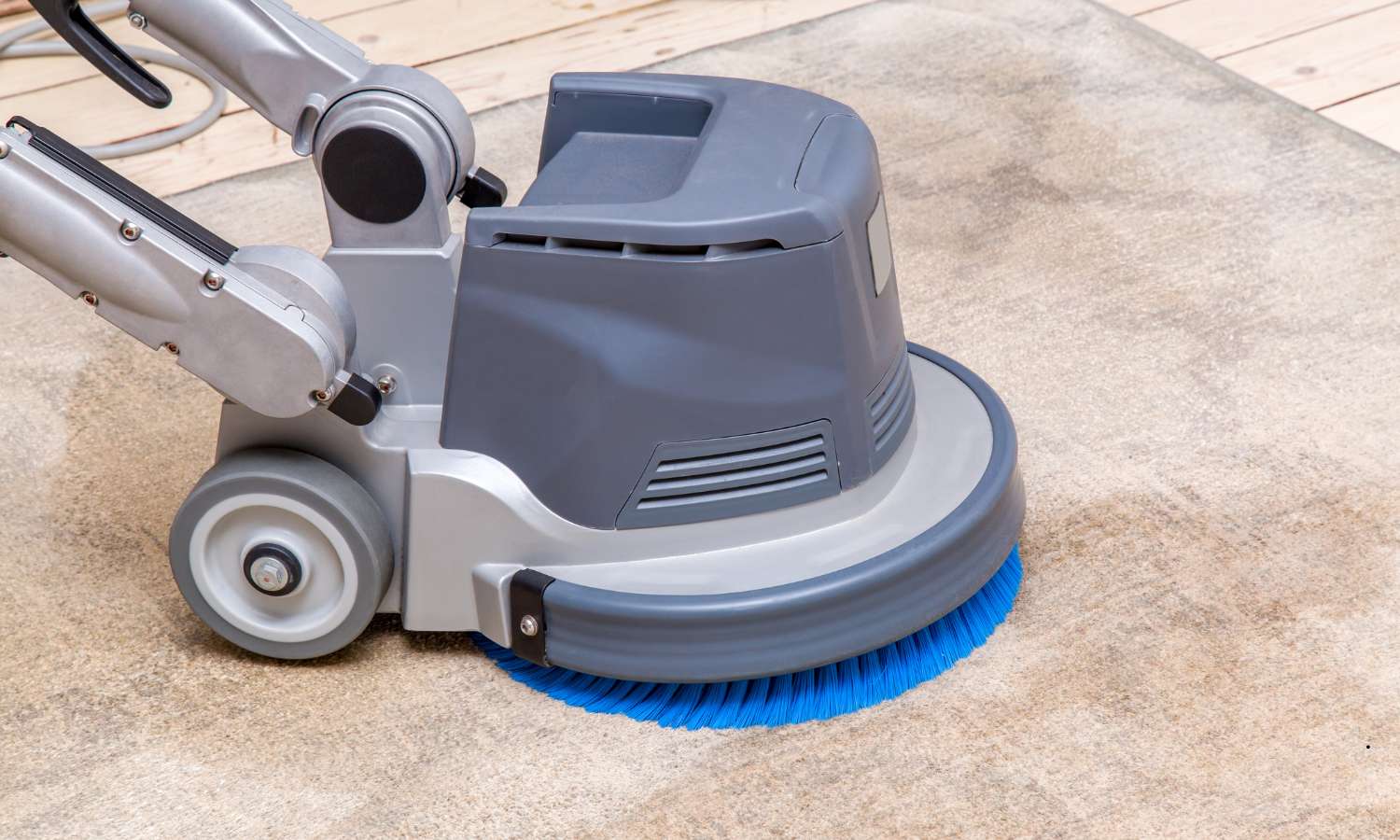
Professional carpet cleaning services, when done correctly, will not cause mold. In fact, hot water extraction, commonly called steam cleaning, uses water heated well past the boiling point, and those high temperatures actively kill many mold spores and bacteria living deep in the fibers. A properly cleaned carpet is healthier, not riskier.
The problems begin with over-wetting. Push too much water into the carpet, and not enough is extracted; moisture seeps into the padding and subfloor, lingering. The moisture inside coupled with the organic matter in the carpet creates a perfect environment for mold to grow.
Over-wetting is a common problem with rented or consumer-grade machines that don’t have good suction, as well as inexperienced or careless operators who leave the carpet soaked with no real extraction.
Many DIY rental units are not efficient at removing moisture, which can leave carpets wet for up to two days. Good professional carpet cleaning service uses commercial-grade equipment, controls water pressure, extracts well and concentrates on quick drying. It is the technique and equipment that differentiate a healthy clean from a mold risk, not the cleaning method. Understanding steam cleaning vs shampoo cleaning can also help homeowners choose a method that minimizes excess moisture and promotes faster drying.
When Can Mold Grow Under the Carpet?
Timing plays a crucial role in mold growth under the carpet. Under the right conditions, mold can begin to colonize a damp carpet within 24 to 48 hours. This is a widely accepted timeframe among restoration professionals, and it is the central reason drying speed matters so much. Understanding the typical carpet cleaning duration and ensuring carpets dry within this window can significantly reduce the risk of mold development.
Here is a timeline that works.
- 0 to 12 Hours: Carpet remains wet, but mold has not started forming yet. This is the safest stage to act. Quick drying using airflow, extraction, and dehumidification can fully prevent mold under carpet and stop any risk of carpet mold growth.
- 12 to 24 Hours: Moisture begins to penetrate more deeply into the carpet fibers and padding. A mild musty smell may start developing even without visible mold. If drying is delayed, conditions become conducive to early wet-carpet mold formation.
- 24 to 48 Hours : Mold spores can activate and start growing beneath the carpet surface. Stronger odors, damp patches, and early signs of mold after carpet cleaning may appear along with possible allergy symptoms.
- 48+ Hours: Mold becomes fully established and starts spreading into carpet padding, baseboards, and subfloor. At this stage, professional remediation is often required as damage becomes more severe
Mold grows faster in warm temperatures, high humidity, poor ventilation, and enclosed spaces. This is particularly true in a city like New York, where humid summers and tightly sealed apartments can keep carpets damp longer than expected.
How to Prevent Mold After Carpet Cleaning
If you are thinking if carpet cleaning can cause mold, the good news is that this is mostly a preventable problem. Proper drying techniques are key to preventing moisture buildup and hidden mold growth in your carpets.
Ensure Adequate Air Circulation
One of the best ways to dry the room faster is to increase the airflow through it. Open windows and run ceiling fans and portable air movers to help moisture evaporate faster. Better air circulation means less time for water to get caught in carpet fibers and padding.
Use a Dehumidifier
High humidity slows the drying process and increases the likelihood of mold under carpet. A dehumidifier removes excess moisture from the air and is particularly beneficial in basements or humid climates. Lower humidity levels make it much harder for mold spores to thrive.
Avoid Over-Wetting the Carpet
It is important to use the right amount of water whether you are cleaning the carpet yourself or hiring professionals. Avoiding common cleaning Mistakes to avoid, such as oversaturating the carpet or skipping proper extraction, can significantly reduce the chances of moisture becoming trapped beneath the surface. When it gets oversaturated, moisture wicks into the carpet padding and subfloor, which is where mold often starts to grow.
Why Professional Carpet Cleaning Reduces Mold Risk
The best way to prevent mold is to hire a cleaner who makes drying part of the job. If you’ve ever wondered whether professional carpet cleaning worth the investment, the answer often comes down to the quality of the cleaning process and proper moisture control. What Separates Professional Cleaning From Standard methods is the use of commercial-grade equipment, trained technicians, and advanced drying techniques that remove excess moisture effectively. That methodical approach is what makes carpet cleaning a mold-prevention measure, not a mold risk.
If you want a clean that protects your home and your air quality, our wall-to-wall carpet steam cleaning service in NYC uses powerful hot water extraction and proper drying techniques to leave your carpets fresh, sanitized, and safely dry. Whether you’re searching for cleaning services in West Village or other areas of NYC, our experienced team is ready to help. Contact us today!
Frequently Asked Questions
Does steam cleaning carpet cause mold?
If done properly, steam cleaning may not cause mold. Professional hot water extraction kills mold spores with high heat. Thorough extraction and quick drying helps prevent new growth . Mold only becomes a risk when carpets are over-wetted and left damp.
How long does it take a carpet to dry after cleaning?
Most carpets that are steam cleaned professionally will dry in 6 to 12 hours. Rental or low-suction machines can leave carpets wet for up to two days, greatly increasing the risk of mold.
How fast can mold grow in wet carpet?
Mold can begin to colonize within 24 to 48 hours under the right conditions and faster in warm, humid, poorly ventilated spaces. If you are searching for can carpet cleaning cause mold, you should avoid using wet carpets.
Can I prevent mold with a dehumidifier and fans?
Yes. Combining strong air circulation with a dehumidifier is one of the most effective ways to dry carpets quickly and stop mold before it starts.
Is mold under the carpet dangerous?
Mold under the carpet may affect indoor air quality and cause allergy or respiratory symptoms in sensitive people. If the growth is confirmed or extensive, have a professional assess and treat the carpet, padding, and subfloor.


