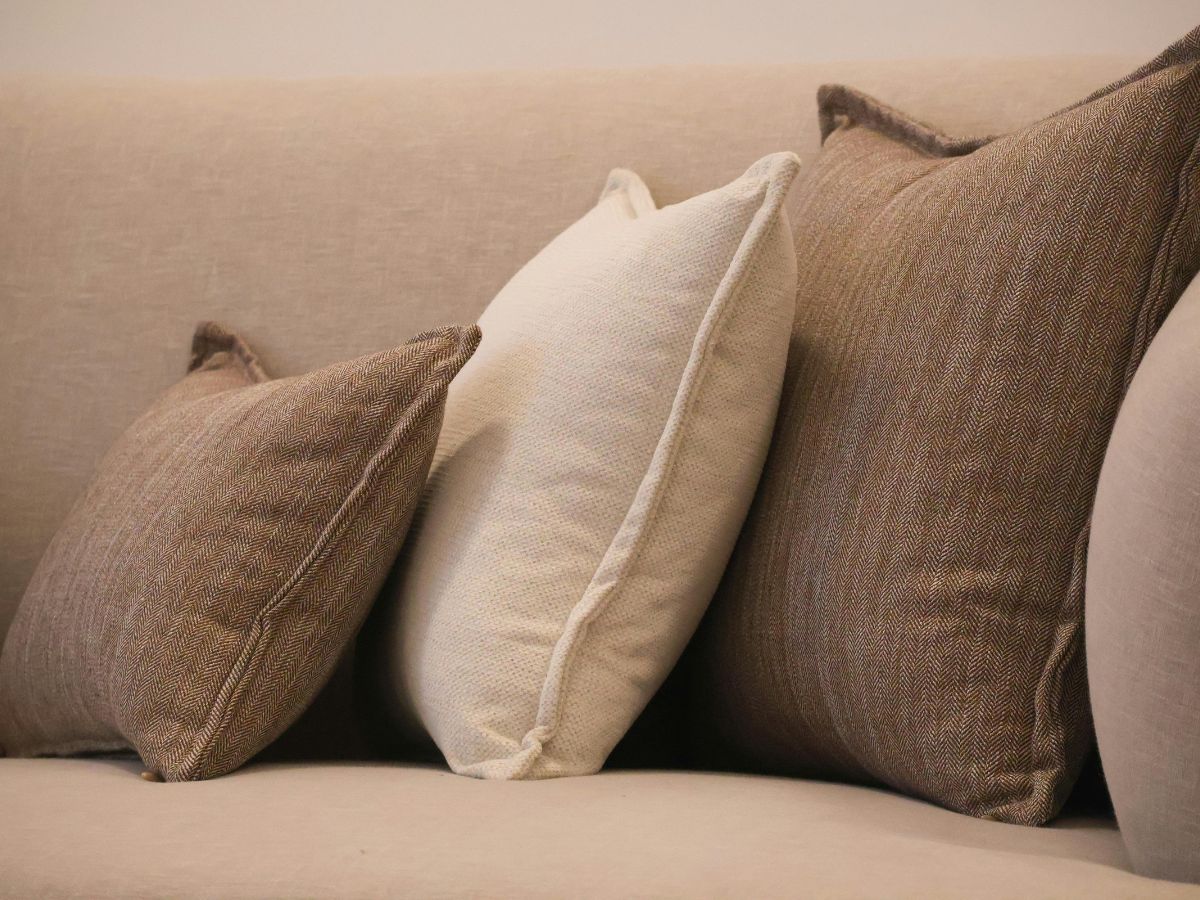
You finally clean your couch expecting it to feel fresh and comfortable again, but instead the fabric suddenly feels rough, stiff, or crunchy afterward. If you are trying to figure out how to soften sofa fabric after cleaning, you are definitely not alone. Many homeowners across Manhattan and NYC notice this problem after DIY upholstery cleaning, rental machine use, or improper drying methods. The good news is that stiff upholstery fabric is usually fixable when you understand what caused it in the first place. In this guide, we are going to explain why sofa fabric sometimes becomes hard after cleaning, how to restore softness safely, and what professional upholstery care and rug cleaning service solutions can do to help protect delicate furniture fabrics long term with the help of experienced furniture cleaning experts.
Why Does Sofa Fabric Feel Stiff After Cleaning?
Sofa fabric can feel rough or stiff after cleaning for several reasons. In many cases, the issue happens because residue, excess moisture, or improper drying affects the upholstery fibers during the cleaning process.
Sometimes the couch may look cleaner visually while the fabric texture feels noticeably different once everything dries completely. Following the right sofa drying methods can help minimize stiffness and preserve the fabric’s original softness.
Here are some of the most common causes of stiff upholstery fabric after cleaning:
- Excess cleaning product residue: Soap and shampoo left inside the fabric can create a crunchy texture after drying.
- Overwetting the upholstery: Too much moisture can affect the softness of couch fibers and cushions.
- Hard water minerals: Mineral buildup from water sometimes leaves fabric feeling rough afterward.
- Improper drying methods: Slow drying can affect how upholstery fibers settle after cleaning.
- Aggressive scrubbing: Harsh brushing may damage delicate fabric texture over time.
Understanding the cause helps determine the safest way to restore softness without damaging the upholstery further.
Can Cleaning Product Residue Make Upholstery Feel Hard?
Absolutely. One of the most common reasons couches feel stiff after cleaning is leftover cleaning solution trapped inside the upholstery fibers. When soap residue dries, it can leave the fabric feeling rough, sticky, or crunchy instead of soft.
This problem happens frequently with DIY upholstery cleaning because household machines often lack the extraction power needed to fully remove cleaning products from deep inside the cushions.
A Few Signs Residue May Be Trapped in the Fabric
- The couch feels crunchy after drying: Soap residue often hardens as moisture evaporates.
- Fabric attracts dirt faster afterward: Sticky residue tends to collect dust and oils more quickly.
- The upholstery feels uneven: Certain sections may feel rougher depending on how much product remained behind.
- The couch smells heavily fragranced: Strong leftover scents sometimes indicate excess cleaning solution buildup.
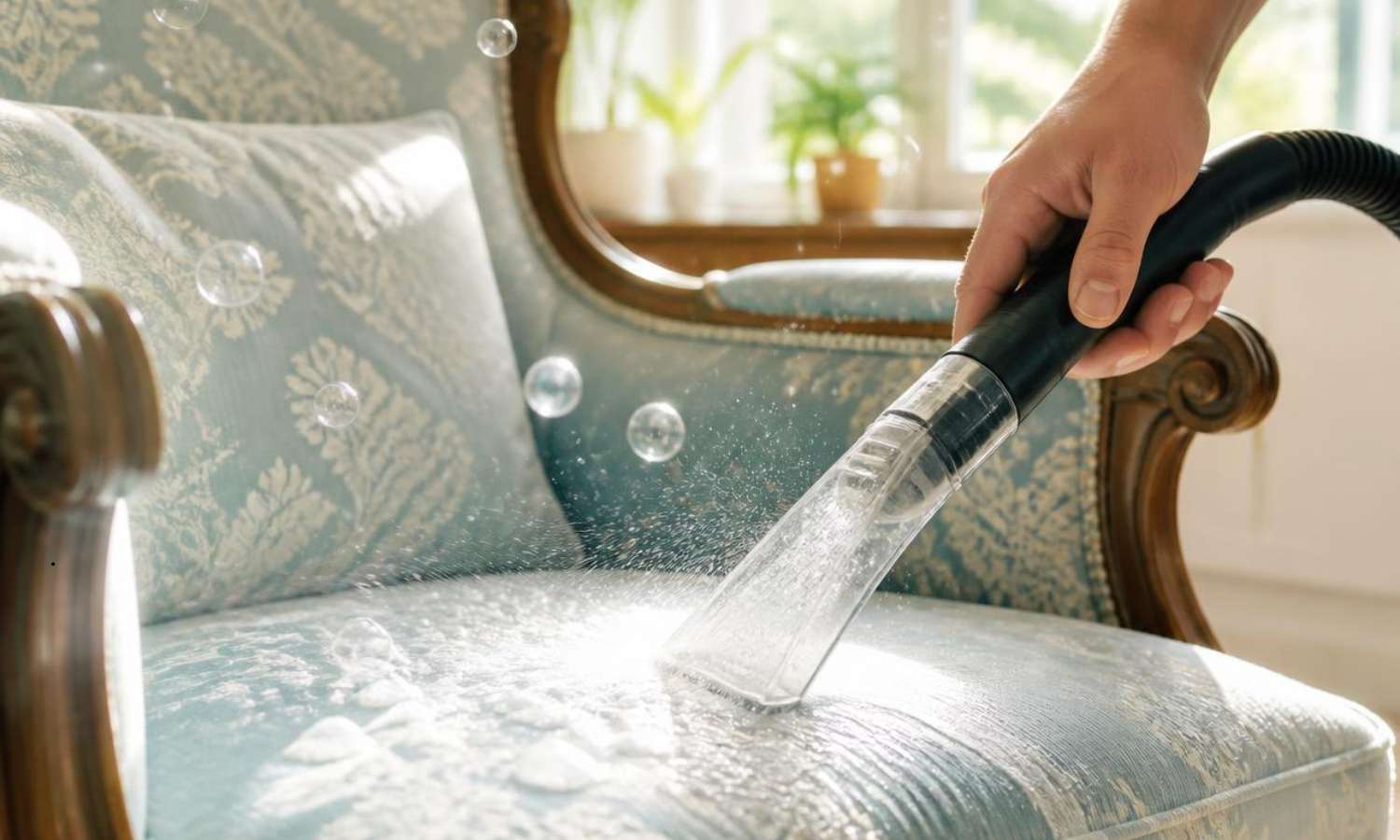
Professional extraction cleaning helps remove both dirt and leftover residue more effectively than most household machines. For homeowners looking for the best fabric sofa cleaner, professional extraction methods often provide deeper cleaning while helping preserve fabric softness and texture.
Does Overwetting Affect Sofa Softness?
Yes, excess moisture can absolutely affect upholstery texture after cleaning. When too much water soaks into the couch cushions and fabric layers, the fibers may dry unevenly and lose some of their original softness temporarily.
Overwetting can also increase the risk of:
- Stiff fabric texture
- Mildew odors
- Longer drying times
- Cushion damage
- Moisture trapped inside padding
This is especially common in NYC apartments where airflow and ventilation may already be limited.
A Few Things That Commonly Cause Overwetting
- Using rental upholstery machines repeatedly: Household equipment often sprays more moisture than it extracts.
- Applying too much cleaning solution: Excess liquid becomes trapped deep inside the cushions.
- Cleaning the same spot too many times: Repeated saturation can weaken upholstery fibers.
- Poor airflow during drying: Slow evaporation increases the risk of stiffness and odor buildup.
Controlled moisture and strong extraction are extremely important during upholstery cleaning.
How Can You Soften Sofa Fabric Safely?
The safest approach depends on the fabric type and what caused the stiffness in the first place. In many cases, gentle brushing and proper drying can help restore softness once the upholstery is completely dry.
However, delicate materials should always be handled carefully to avoid unnecessary damage.
A Few Ways to Help Soften Upholstery Fabric
- Allow the couch to dry fully first: Fabric may soften naturally once all trapped moisture evaporates.
- Use a soft upholstery brush gently: Light brushing can help loosen fibers and restore texture.
- Improve airflow throughout the room: Better ventilation helps upholstery dry more evenly.
- Vacuum the fabric carefully: Removing dried residue and dust can improve softness.
- Avoid harsh chemical sprays: Strong products sometimes worsen stiffness and residue buildup.
Patience matters because upholstery texture often improves gradually as the fabric settles completely.
Does Fabric Type Affect Softness After Cleaning?
Absolutely. Different upholstery materials react differently to moisture, heat, and cleaning products. Some fabrics soften quickly after drying, while others require more delicate textile care.
Professional upholstery cleaners inspect the material first before choosing the safest cleaning method.
How Different Upholstery Fabrics React After Cleaning
- Microfiber couches: Usually soften again fairly quickly after proper drying and brushing.
- Cotton upholstery: May feel stiff temporarily if too much moisture or residue remains behind.
- Linen furniture: Delicate fibers often require gentler low-moisture cleaning methods.
- Velvet upholstery: Texture can flatten if cleaned aggressively or dried improperly.
- Leather furniture: Requires conditioning treatments instead of traditional steam extraction methods.
Using the wrong cleaning method can permanently affect the texture and appearance of delicate upholstery.
Why Professional Upholstery Cleaning Makes a Difference
Many homeowners try DIY upholstery cleaning to save money, but improper cleaning methods often create stiffness, residue buildup, or moisture problems afterward.
Professional upholstery cleaning uses stronger extraction equipment and fabric-specific cleaning techniques designed to clean deeply while protecting the texture of the material.
At Vapor Cleaning Pros, upholstery cleaning methods are designed to deeply clean furniture while minimizing excess moisture and preserving fabric softness.
Here Is What Professional Upholstery Cleaning Typically Helps Improve
- Better residue removal: Strong extraction helps remove leftover soap and cleaning solution more effectively.
- Faster drying times: Professional equipment reduces trapped moisture inside cushions and fabric.
- Improved fabric texture: Deep cleaning removes dirt buildup that affects softness and comfort.
- Safer cleaning for delicate materials: Professional methods help protect linen, velvet, and specialty upholstery fabrics.
- Better odor reduction: Deep extraction removes bacteria and contamination trapped inside the furniture.
Professional cleaning helps restore both appearance and comfort without unnecessarily stressing delicate upholstery fibers.
Can Steam Cleaning Help Restore Softness?
Yes, when performed correctly, professional steam cleaning can often improve both cleanliness and fabric feel. Deep extraction removes dirt, oils, and residue trapped inside the upholstery that may be affecting softness.
However, proper moisture control is extremely important because overwetting can create additional stiffness problems afterward.
Why Professional Steam Cleaning Often Feels Better Long Term
- Dirt buildup gets removed from deep inside the fabric: Cleaner fibers often feel softer and smoother afterward.
- Proper extraction prevents residue buildup: Removing excess cleaning product helps preserve fabric texture.
- Controlled moisture protects upholstery fibers: Balanced cleaning methods reduce stiffness risk.
- Upholstery dries more evenly: Faster drying helps maintain softness throughout the couch.
Professional couch steam cleaning Brooklyn homeowners choose works best when fabric type and moisture levels are carefully managed.
How Often Should Upholstery Be Professionally Cleaned?
Most upholstery professionals recommend deep cleaning couches every 12 to 18 months depending on pets, children, allergies, and overall household activity.
Furniture naturally collects:
- Dust
- Body oils
- Allergens
- Pet dander
- Food particles
- Everyday residue
over time, even when the surface appears relatively clean.
Signs Your Upholstery May Need Professional Cleaning
- Fabric feels stiff or rough: Residue and dirt buildup often affect texture over time.
- Lingering odors remain trapped in the couch: Deep contamination may still be hidden inside the cushions.
- The upholstery looks dull: Dirt buildup gradually affects fabric appearance and softness.
- Allergy symptoms increase indoors: Upholstery often traps dust mites and allergens below the surface.
Routine professional maintenance helps preserve comfort, cleanliness, and long-term upholstery quality, which is why many homeowners choose local cleaning services Staten Island providers for regular upholstery care.
Ready to Restore Your Sofa’s Softness?
Trying to soften sofa fabric after cleaning usually starts with understanding why the upholstery became stiff in the first place. Whether the issue comes from residue buildup, excess moisture, or improper drying, the right cleaning and maintenance approach can often restore comfort and softness safely.
If your couch still feels rough, stiff, or uncomfortable after cleaning, now may be the perfect time to get quote or book cleaning with experienced NYC upholstery cleaning professionals who understand how to deep-clean delicate fabrics without leaving behind excess moisture or residue.
Frequently Asked Questions
Why does my couch feel stiff after cleaning?
Stiff upholstery is often caused by leftover cleaning residue, excess moisture, hard water minerals, or improper drying methods.
Can upholstery soften again after drying?
Yes, many fabrics soften naturally once moisture fully evaporates and fibers settle properly after cleaning.
Does soap residue make couch fabric hard?
Yes, leftover cleaning solution trapped inside upholstery fibers can create a rough or crunchy texture after drying.
Can steam cleaning damage upholstery softness?
Improper steam cleaning can affect texture if too much moisture or harsh chemicals are used. Professional extraction helps reduce this risk.
How often should couches be professionally cleaned?
Most couches benefit from professional upholstery cleaning every 12 to 18 months depending on household usage, pets, and allergies.