You did not spend real money on a hand-knotted rug or a velvet sectional only to have it treated like a thrift-store find, and honestly, you should not have to settle for that either. That is exactly the mindset behind Professional Fabric Care, and it is why more homeowners across the city are rethinking who they let near their nicest pieces. Here is our promise. By the time you finish this article, you will know what actually separates a careful clean from a risky one, and why the fabrics in a premium home need a different standard entirely. We will walk through what can go wrong with generic cleaning, what a proper process looks like, which materials need the most attention, and how to keep an investment piece looking the way it did the day it arrived.
A Nice Home Runs on Details Most People Never Notice
Premium interiors are built on small decisions. The weight of a linen drape, the way a wool rug holds its pile, the depth of color in a velvet headboard. None of that happens by accident, and none of it survives being cleaned the same way builder-grade carpet does.
Generic cleaning treats every fabric the same way, as it reacts the same way to water, heat, and pressure. It does not. That mismatch is where expensive mistakes start.
What Goes Wrong Without Professional Fabric Care
A rushed job on a high-value piece rarely shows damage right away. The problems tend to surface later, once it is harder to fix.
- Dye bleeding on hand-dyed wool or silk rugs when moisture sits too long
- Water rings left behind on velvet or silk upholstery after uneven drying
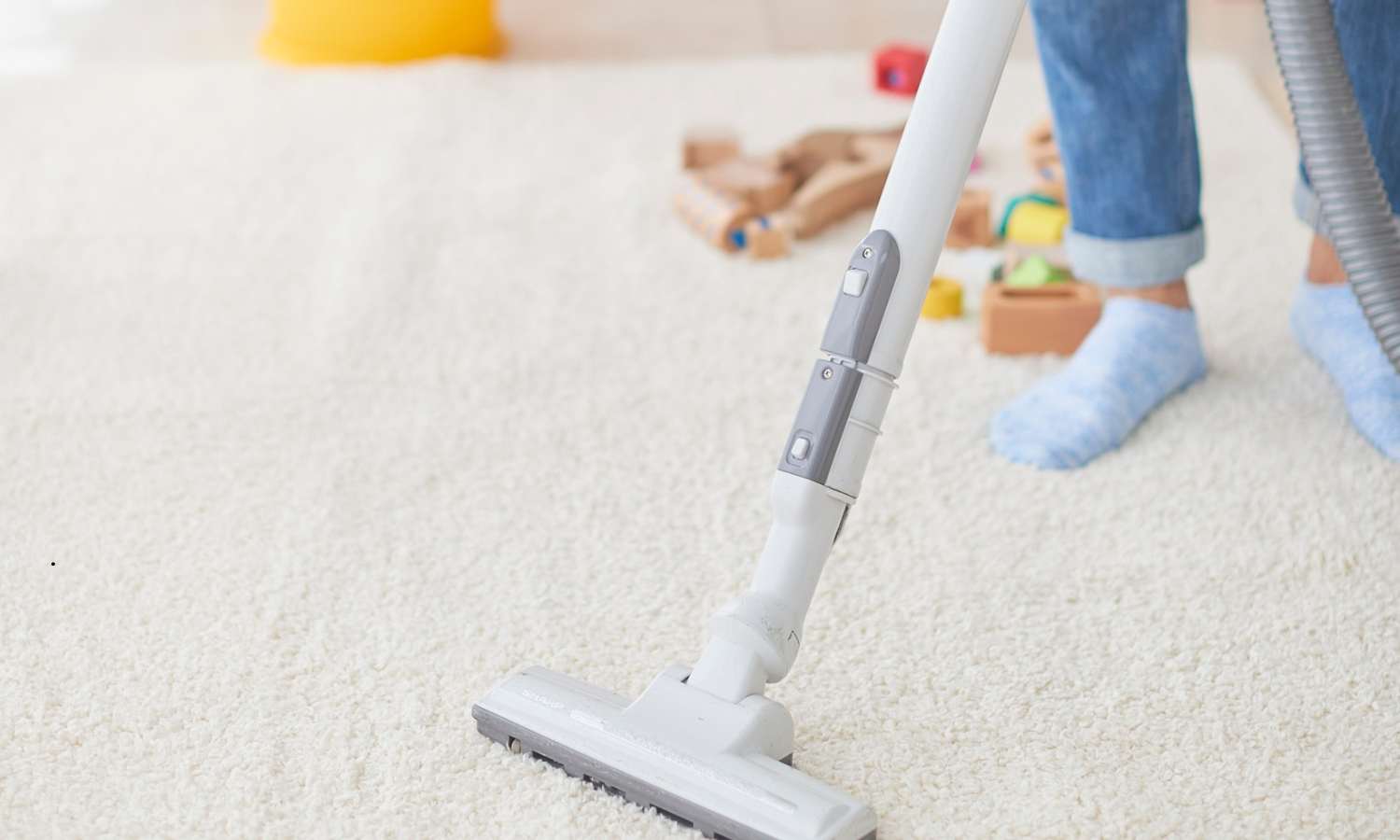
- Pile crushing on plush rugs from machines that press down instead of lifting dirt out
- Shrinkage or puckering on natural fiber drapery exposed to too much heat
- Lingering odor when the cleaning solution gets trapped instead of being fully extracted
None of these issues is common with equipment built for the job and a technician who checks the material first.
What Professional Fabric Care Actually Involves
Vapor Cleaning Pros built its process around a simple idea borrowed from an unlikely place. The company grew out of Vapor Auto Detailing, where technicians learned to treat a ceramic-coated hood or a hand-stitched dashboard with the kind of precision that leaves zero room for guesswork. That same discipline now shapes how fabric gets handled in your living room.
Here is what that looks like in practice:
- A colorfastness test and fiber check before anything gets wet
- Pressure and temperature are adjusted specifically for that material
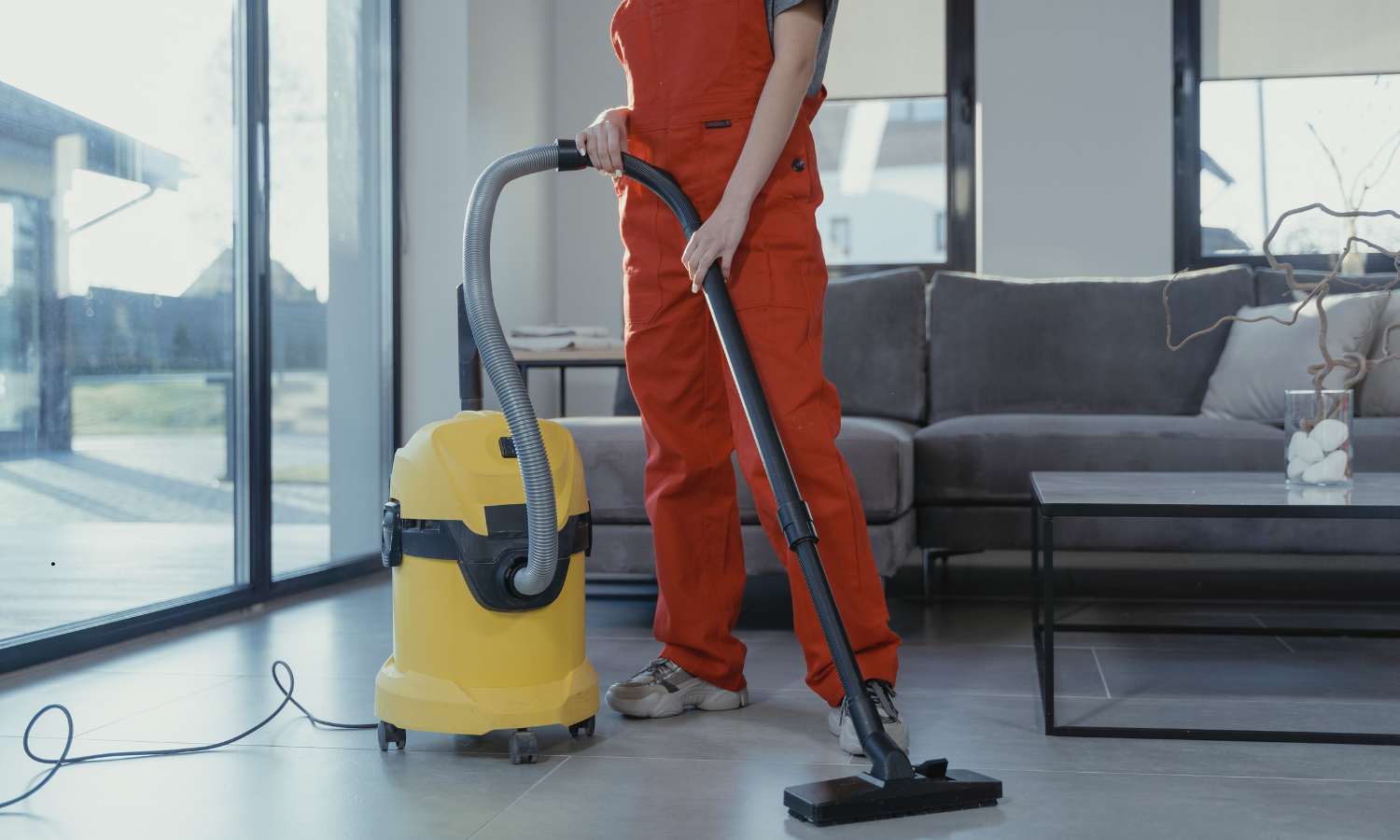
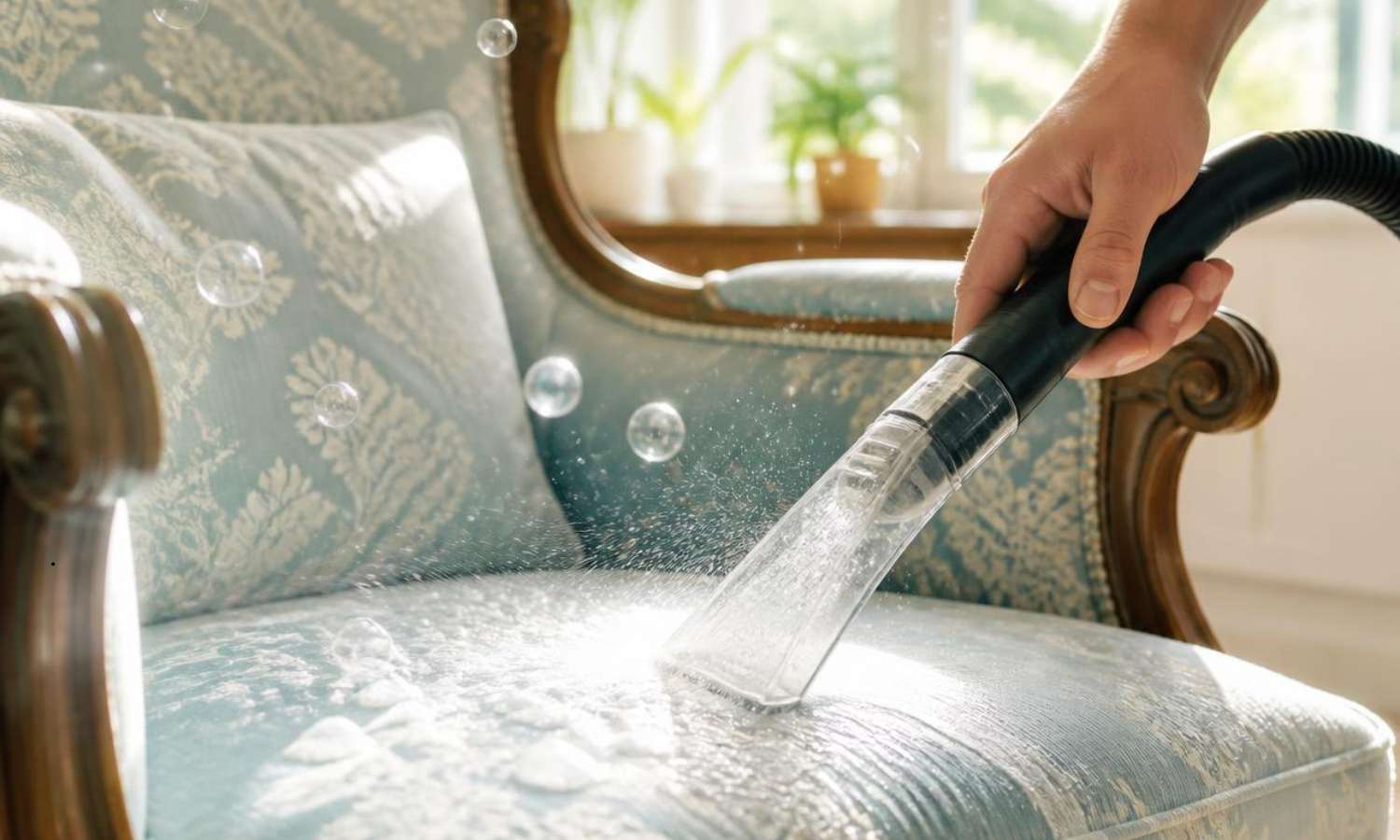
- Commercial-grade vapor steam extraction that lifts dirt without oversaturating fibers
- A final walkthrough with you present before the job is considered finished
This approach applies to every service, from full-room upholstery cleaning to delicate rug cleaning for silk, wool, and Persian pieces.
The Materials That Need the Most Attention
Some fabrics forgive a mediocre clean. Others do not.
- Silk rugs: extremely sensitive to overwetting and require slow, controlled moisture
- Wool upholstery and rugs: prone to shrinkage and fiber distortion under high heat
- Velvet furniture: the pile can flatten permanently if brushed or pressed the wrong way
- Linen drapery: natural fibers wrinkle and weaken with excess water
- Leather accents: need conditioning rather than steam extraction entirely
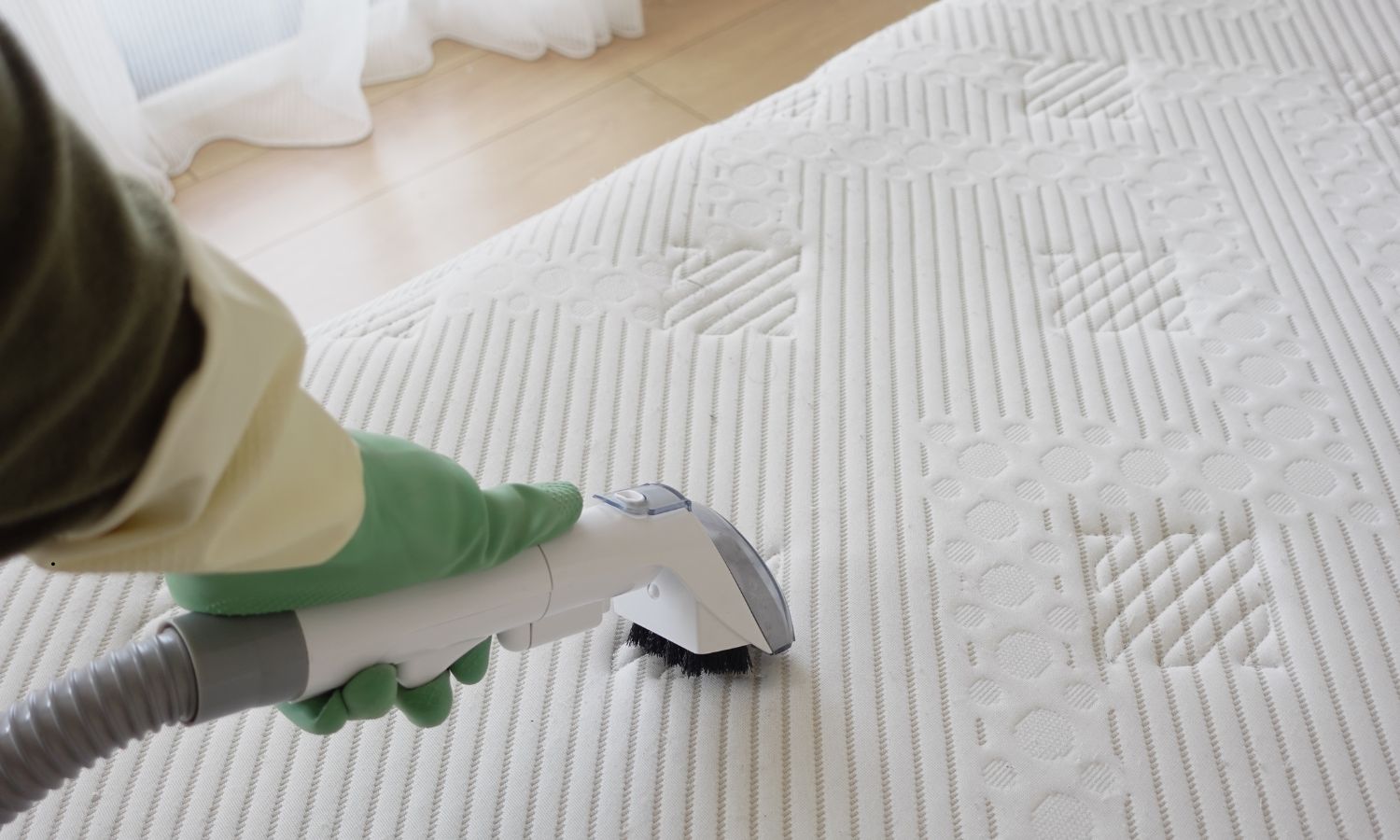
If your mattress fabric falls into a similarly delicate category, our mattress cleaning service follows the same fiber-first approach rather than a one-size-fits-all routine.
Protecting an Investment, Not Just Cleaning It
A well-made rug or a custom upholstered piece is meant to last decades, not a few seasons. Regular Professional Fabric Care is part of what keeps it there.
Most professionals recommend a deep clean every twelve to eighteen months for high-traffic pieces, and more often in homes with kids or pets. That rhythm keeps allergens, oils, and embedded dirt from becoming permanently embedded in the fibers, which is often what shortens the life of an otherwise well-built piece.
Bringing This Standard to Homes Across NYC
Premium homes exist in every borough, not just one zip code, which is why technicians are available across Manhattan, Brooklyn, Queens, the Bronx, and Staten Island. Appointments run seven days a week from 6 a.m. to 6 p.m., and pricing is shared upfront rather than left as a surprise once a technician is already in your home. You can learn more about how the company approaches every job on the about page, or browse finished results on the gallery page.
The Bottom Line
Premium homes are full of fabrics that took real money and real care to choose, and Professional Fabric Care is what keeps that investment looking the way it should for years, not months. The right process starts with understanding the material, not just spraying it down and hoping for the best. If your rugs, upholstery, or drapery deserve care that matches what you paid for them, reach out for a quote or call 718-673-8218 to schedule a visit that suits your home and fabrics.
Frequently Asked Questions
What makes Professional Fabric Care different from a standard cleaning service?
It starts with assessing the material before any water or steam touches it, using equipment and pressure levels matched to that specific fabric instead of a single generic setting for everything.
Can silk and wool rugs be steam cleaned safely?
Yes, when moisture and heat are carefully controlled. Silk in particular needs a slower, low-moisture process to avoid dye bleeding or fiber distortion.
How often should luxury upholstery be professionally cleaned?
Most high-traffic pieces benefit from a deep clean every twelve to eighteen months, with more frequent cleaning recommended for homes with children or pets.
Does professional cleaning help furniture last longer?
Yes. Removing embedded dirt, oils, and allergens on a regular schedule helps prevent the fiber breakdown that shortens the lifespan of high-end upholstery and rugs.
Which NYC neighborhoods offer this level of fabric care?
Vapor Cleaning Pros serves homes across Manhattan, Brooklyn, Queens, the Bronx, and Staten Island, seven days a week from 6 a.m. to 6 p.m.