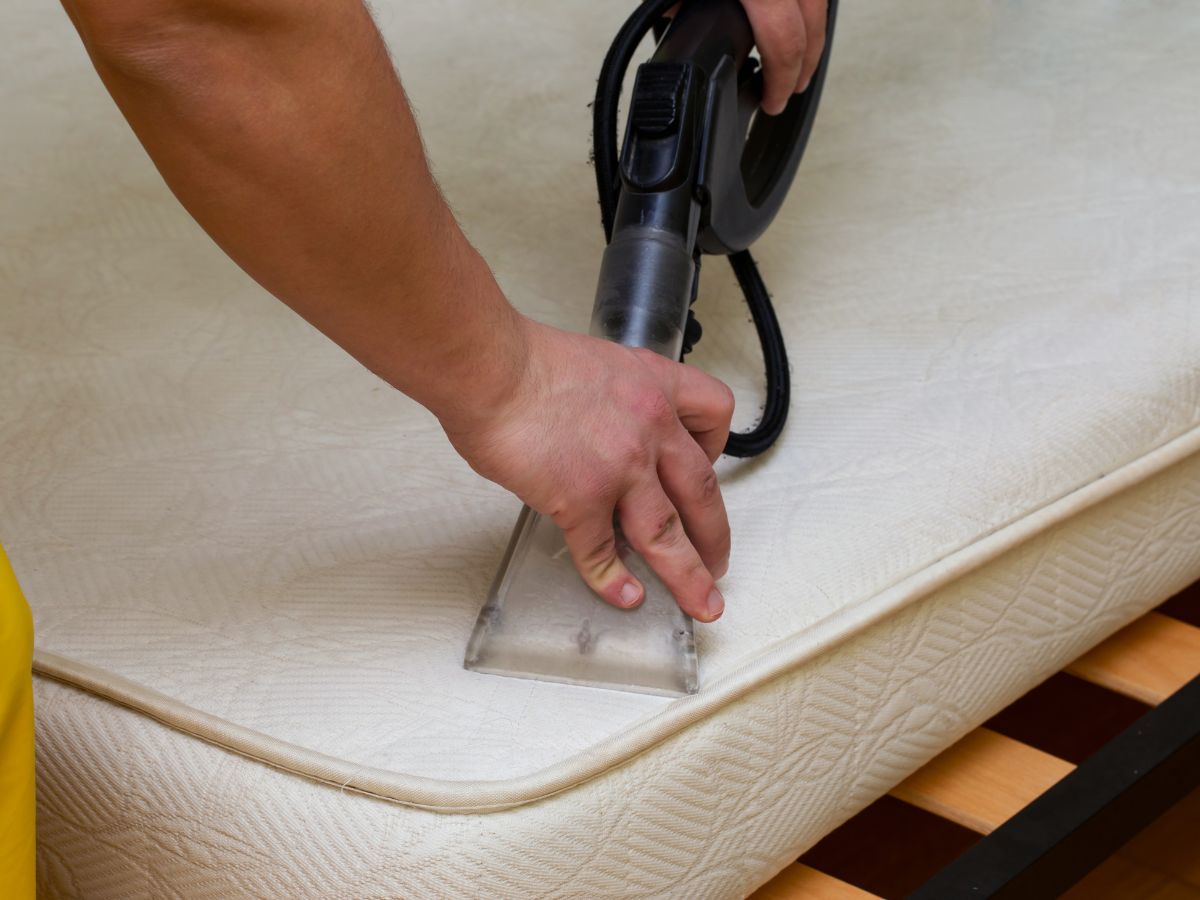
If you recently scheduled a deep cleaning and now wonder how long your mattress will take to dry, you are not alone. Many homeowners across Manhattan and NYC worry about when they can safely sleep on it again without dampness, odors, or moisture buildup. The good news is that most professionally cleaned mattresses dry faster than people expect, especially when proper cleaning and extraction methods are used. Whether you need mattress cleaning in Bronx, Professional Mattress Cleaning Staten Island, or Mattress Cleaning in Upper East Side, understanding the drying process helps you plan better. In this guide, we explain how long mattress drying usually takes, what affects the drying time, and how to help your mattress dry faster while keeping it fresh after mattress sanitation.
How Long Does a Mattress Usually Take to Dry?
In most cases, a professionally cleaned mattress takes about 6 to 12 hours to dry completely. The exact time depends on the mattress material, cleaning method, humidity, airflow, and the amount of moisture used. Thinner mattresses dry quickly, while thick or heavily soiled ones may need longer, and dense memory foam can take up to 24 hours in humid conditions. Professional extraction equipment speeds things up by removing moisture deep inside the layers.
Factors that commonly affect drying time:
- Mattress thickness: Pillow-top and memory foam often hold moisture longer than thinner mattresses.
- Humidity: Manhattan apartments with limited airflow slow the evaporation process.
- Cleaning method: Low-moisture steam cleaning typically dries faster than oversaturated methods.
- Deep stains: Heavy staining and odor removal may increase moisture exposure during cleaning.
Knowing these helps set realistic expectations after cleaning.
Why Does Proper Mattress Drying Matter?
Proper drying matters because sleeping on a damp mattress causes problems. Trapped moisture inside the layers can encourage bacteria, mildew, and unpleasant odors similar to a musty rug smell. A mattress can feel dry on the surface while still holding moisture deeper in the padding, and that hidden dampness affects both comfort and cleanliness.
Why proper drying matters so much:
- Moisture creates odors: Damp mattresses develop musty smells when airflow is poor.
- Bacteria grow in damp environments: Trapped moisture lets bacteria and allergens multiply.
- Mold becomes a risk: Mattresses that stay wet too long can develop mildew or mold.
- Comfort suffers: Sleeping on a damp mattress is rarely comfortable and can disrupt sleep.
Letting the mattress dry fully before use protects both hygiene and longevity.
Does Mattress Material Affect Drying Time?
Absolutely. Different materials absorb and release moisture at different rates, so some naturally take longer. Memory foam often retains moisture longer due to its dense structure, while traditional spring mattresses dry faster because airflow moves more easily through the inner layers.
How different types respond to cleaning:
- Memory foam: Dense layers hold moisture longer and need more airflow.
- Pillow-top: Thick padding increases drying time after deep clean mattress services.
- Hybrid: Multiple material layers slightly slow evaporation.
- Traditional spring: Internal airflow helps these dry faster.
Professional cleaners adjust their method to the mattress type to reduce unnecessary moisture buildup.
What Helps a Mattress Dry Faster?
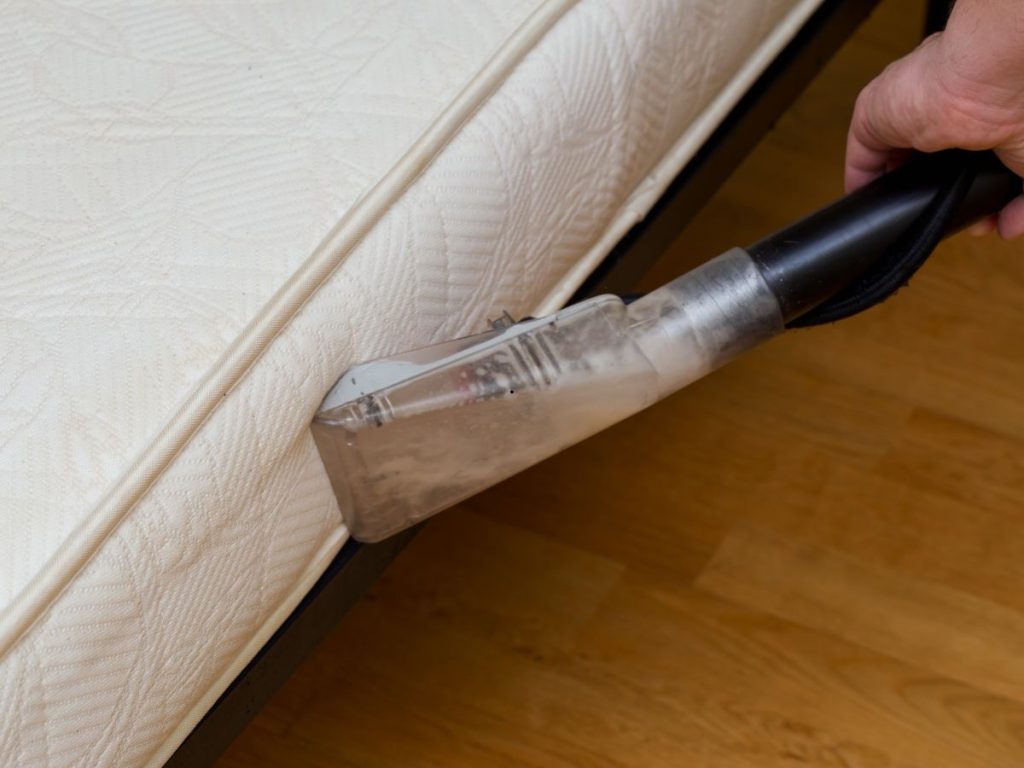
A few simple steps speed up drying after professional cleaning, and good airflow is usually the biggest factor. The faster the moisture evaporates, the lower the risk of odors, mildew, or bacteria.
Ways to help your mattress dry faster:
- Open windows: Fresh airflow helps moisture evaporate more efficiently.
- Use fans: Ceiling or portable fans significantly speed up drying.
- Run air conditioning: Lower indoor humidity helps mattresses dry faster in NYC apartments.
- Keep bedding off temporarily: Sheets and blankets trap moisture and slow evaporation.
- Avoid sleeping on it too soon: Pressure pushes moisture deeper into the fabric before it fully dries.
These small steps make a noticeable difference.
Can You Sleep on a Mattress Before It Fully Dries?
Generally not recommended. Even if the surface feels mostly dry, deeper layers may still hold moisture. Sleeping on a damp mattress can cause odors to develop faster, trap moisture deeper, slow drying, increase the risk of mildew, and reduce comfort. Most professional cleaners recommend waiting until the mattress feels completely dry before replacing bedding or sleeping on it. If you absolutely need to use it sooner, improving airflow throughout the room becomes even more important.
Does Professional Mattress Cleaning Dry Faster Than DIY?
In most cases, yes. Professional equipment extracts far more moisture than household machines or rental cleaners. DIY cleaning often leaves excess water trapped inside because household equipment lacks strong extraction, which dramatically increases drying time and can cause lingering odors. At Vapor Cleaning Pros, professional methods are designed to deep-clean while minimizing unnecessary exposure to moisture.
What professional cleaning typically improves:
- Faster drying: Strong extraction removes excess moisture more effectively.
- Better odor removal: Cleaning targets bacteria and other contaminants trapped within the layers.
- Improved freshness: Deep cleaning removes allergens, dust, and buildup that affect air quality.
- Safer cleaning for delicate materials: Professional methods reduce the risk of overwetting sensitive fabrics.
Many Manhattan homeowners choose professional cleaning because it delivers deeper results with less moisture-related risk, making the rug cleaning service cost worthwhile for long-term care.
Does Weather Affect Mattress Drying Time?
Yes. Weather and indoor humidity have a surprisingly large impact. During humid NYC summers, moisture evaporates more slowly indoors, and apartments with limited airflow dry more slowly than homes with stronger circulation.
Environmental factors that affect drying:
- High humidity slows evaporation: Moist air makes it harder for moisture to leave the mattress.
- Closed spaces reduce airflow: Smaller apartments trap humidity after cleaning.
- Cooler temperatures increase drying time: Warm air helps moisture evaporate faster.
- Poor ventilation creates dampness: Limited circulation keeps moisture trapped longer.
Professional extraction becomes especially important in humid Manhattan apartments where airflow is already limited.
How Often Should Mattresses Be Professionally Cleaned?
Most experts recommend professional mattress cleaning every 6 to 12 months, depending on allergies, pets, children, and overall use. Mattresses collect dust mites, sweat, body oils, allergens, dead skin cells, and pet dander over time, even when sheets are washed regularly.
Signs your mattress may need cleaning:
- Lingering odors after changing sheets: Deep contamination may be trapped below the surface.
- More allergy symptoms indoors: Dust mites and allergens collect inside the layers.
- More visible stains: Sweat, spills, and body oils gradually discolor the fabric.
- Less fresh overall: Accumulated buildup affects comfort and cleanliness.
Routine cleaning improves hygiene while extending the life of the mattress.
Ready to Freshen and Protect Your Mattress?
Knowing how long a mattress takes to dry helps you plan and avoid moisture-related problems afterward. In most cases, professionally cleaned mattresses dry within several hours when proper extraction and airflow are used. The right process improves freshness, removes allergens, and creates a healthier sleeping environment. If your mattress needs deep cleaning or odor removal, now is a good time to get a quote or book cleaning with experienced NYC professionals who clean mattresses safely without leaving excess moisture.