You spend roughly a third of your life on your mattress, yet it’s one of the most overlooked surfaces in any home. Sweat, dead skin cells, dust mites, allergens, and bacteria build up in the fibers over time, and no amount of fresh sheets fully addresses what’s underneath.
Learning how to properly clean and disinfect a mattress protects your sleep hygiene, extends the mattress’s lifespan, and makes a real difference for anyone with allergies or asthma. Understanding effective mattress cleaning methods can also help you maintain a cleaner and healthier sleeping environment.
Whether you are dealing with stains, lingering smells, or simply want to freshen up your bed, this guide explains the most effective methods and when professional help may be the best option.
Why You Need to Clean and Disinfect a Mattress Regularly
A mattress is a sealed environment that holds moisture and organic material. That takes months and creates ideal conditions for dust mites, which live on dead skin and are among the biggest allergens in the home. Along with bacteria, fungi, and odor build-up.
Why Is Regular Cleaning Important?
- It reduces the allergens that cause sneezing, congestion, and skin irritation.
- It removes body oils and sweat that cause yellowing and odor.
- It keeps stains from setting in.
- It creates a healthier sleeping environment, especially for children and those with respiratory sensitivities.
A good rule of thumb is to clean and disinfect a mattress every three to six months and to spot-treat spills immediately.
Step-by-Step Guide to Clean and Disinfect a Mattress
Remove Bedding and Wash Linens
Start by stripping the bed completely. If possible, wash sheets, pillowcases, mattress protectors, and blankets in hot water. This gets rid of dust mites, bacteria, and allergens that can then be transferred back onto the mattress.
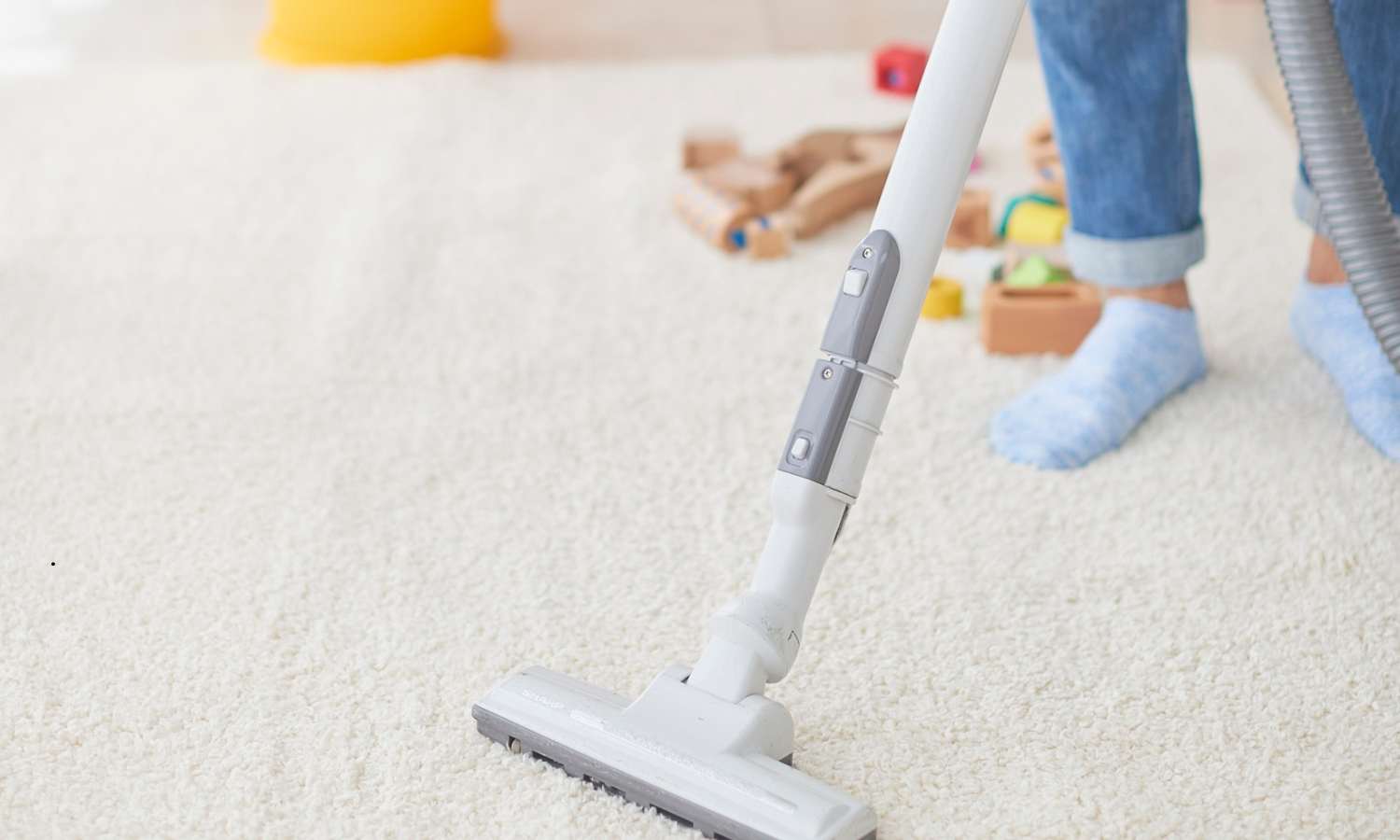
Vacuum the Entire Mattress
Use the upholstery attachment to vacuum:
- The top surface
- Sides and edges
- Seams and crevices
Vacuuming removes dust, dirt, dead skin cells, and pet hair that accumulate over time.
Spot Treat Stains
Different stains require different approaches.
Sweat and Yellow Stains
Mix:
- One cup of hydrogen peroxide
- Three tablespoons of baking soda
- A few drops of dish soap
Lightly spray the stained area and allow it to sit for about 10–15 minutes. Blot with a clean cloth and let the area dry completely.
Food and Beverage Spills
Create a mixture of mild dish soap and warm water. Dab the stain gently rather than scrubbing aggressively, which can damage mattress fibers.
Urine Stains
Wipe up excess moisture immediately. Mix equal parts white vinegar and water, then apply to the area. Sprinkle baking soda on top. Leave it to sit for a few hours, then vacuum thoroughly.
How to Deep Clean a Mattress for Stains and Odor
Mattresses can smell over time due to sweat, moisture, pets, and spills. Deep cleaning removes stains and embedded odors.
Sprinkle Baking Soda Across the Mattress
Cover the entire surface with a generous layer of baking soda. Baking soda naturally absorbs moisture and neutralizes odors.
Allow It to Sit
Leave the baking soda on the mattress for at least four to eight hours. For stronger odors, leaving it overnight can provide better results.
Vacuum Thoroughly
Use a vacuum cleaner to get rid of all the baking soda residue. This helps to refresh the mattress and get rid of any dirt and allergens that have become trapped in it.
Increase airflow
Use fans or open windows to help remove moisture and keep the mattress fresh.
How to Disinfect a Mattress Effectively
Cleaning removes dirt and stains, and disinfecting kills bacteria and germs. For all homeowners who want a safer way to extend their mattress’s lifespan, regular mattress disinfection is a must.
Use a Fabric-Safe Disinfecting Spray
Select a disinfectant formulated for upholstery or fabric surfaces. Lightly spritz the mattress; don’t soak it.
Follow the manufacturer’s instructions and allow for adequate drying time.
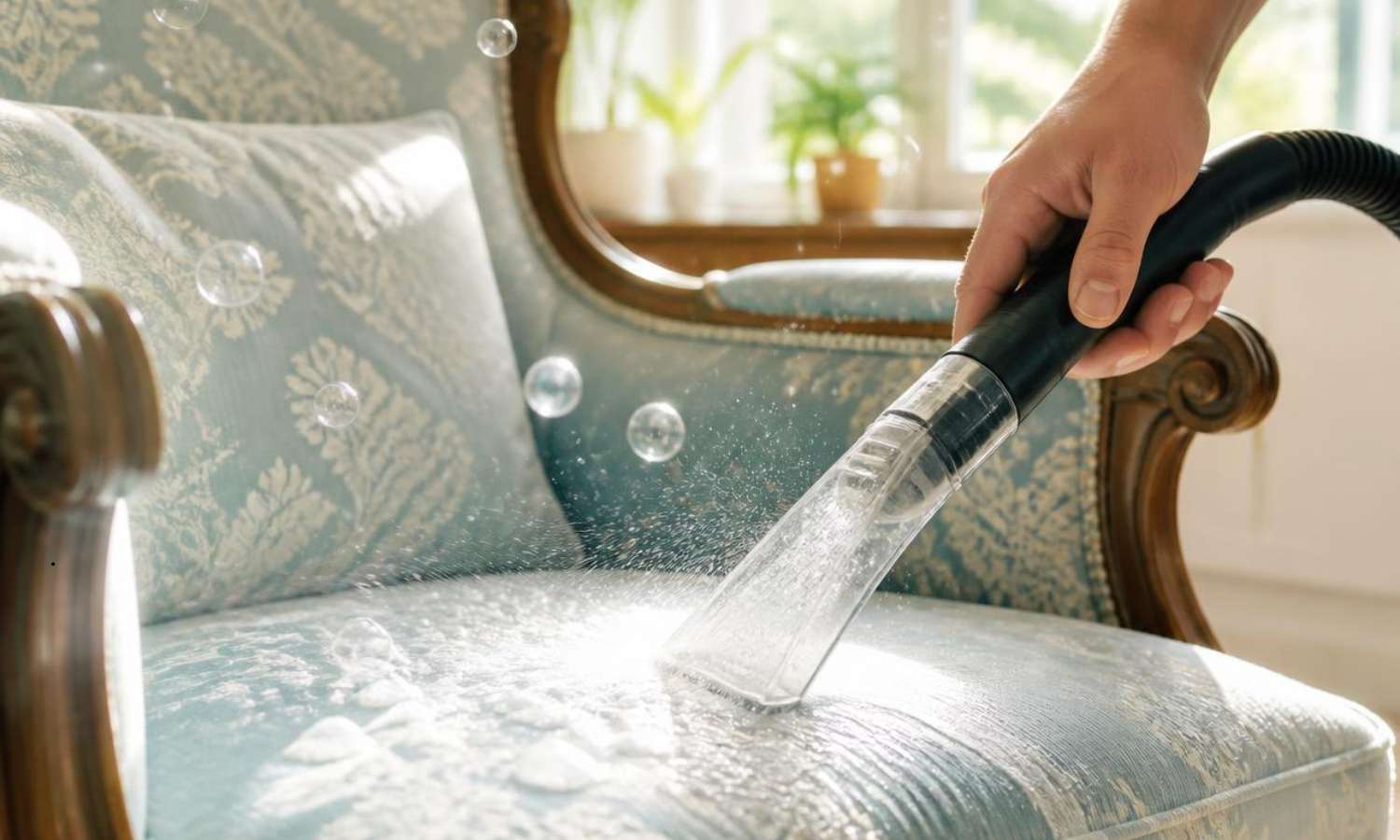
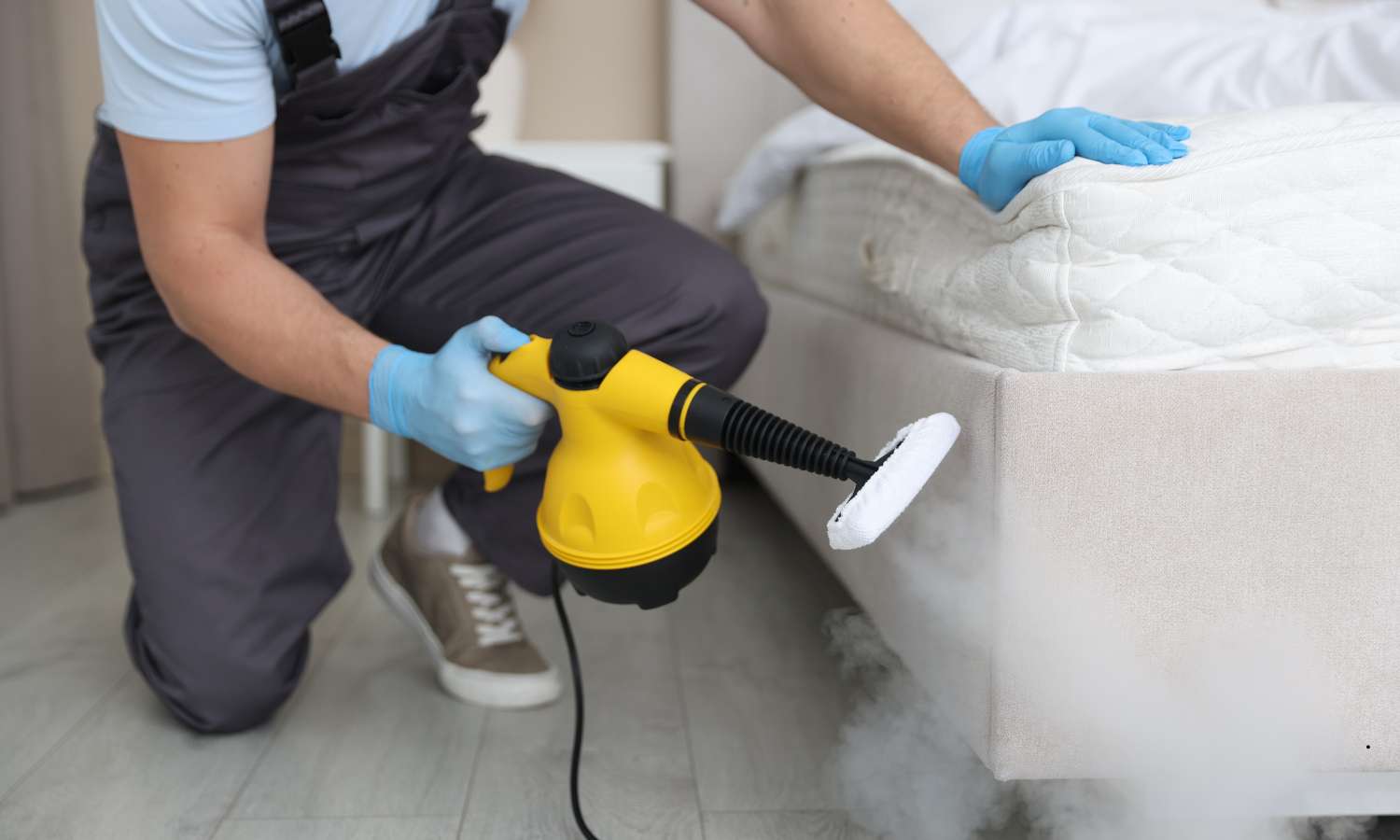
Steam Cleaning
One of the best ways to sanitize a mattress is to steam-clean it. The high temperatures help reduce:
- Bacterium
- Dust mite
- Allergen Notice
- Microbes that make odors
But excessive moisture can damage certain mattress materials. Professional steam cleaning methods that use low moisture are typically less risky and more effective.
Allow Complete Drying
Do not change the mattress bedding until it is dry. Mold and mildew problems can occur if moisture is trapped inside.
Natural Ways to Disinfect a Mattress
If you prefer chemical-free cleaning methods, several natural options can help freshen and sanitize your mattress.
- White Vinegar Solution: Combine equal parts water and white vinegar to help neutralize odors and dissolve small stains.
- Baking Soda: Baking soda absorbs moisture and helps eliminate odors without toxic chemicals.
- Sunlight Exposure: Natural sunlight can help reduce moisture and freshen the mattress. If possible, place the mattress near a sunny window or outdoors for several hours.
How Experts Can Help
While regular vacuuming and spot cleaning can help keep a mattress clean, they often aren’t enough to remove dirt, allergens, bacteria, and tough stains that have become deeply embedded. Professional mattress upholstery cleaning services use specialized equipment and low-moisture methods to get a much deeper clean without damaging mattress materials.
They know how to identify different types of stains and fabrics and can select the safest and most effective cleaning methods. Contaminants like sweat stains, pet accidents, dust mites, and lingering odors can be hard to remove with household products alone, but can be targeted with professional treatments.
Another plus of good sanitation is attracting professionals. Steam cleaning and more advanced extraction methods help reduce bacteria, allergens, and other microorganisms that may cause odors while reducing the potential for excess moisture that could lead to mold. This increase in mattress cleanliness can also help improve indoor air quality and create a healthier sleeping environment.
Routine professional cleaning can also help to prolong the life of your mattress, protecting your investment and keeping it comfortable for years to come. Get your quote.
Frequently Asked Questions
Can I clean and disinfect a mattress myself?
Microfiber and polyester blends are among the most durable options for high-traffic homes. They resist staining, hold their shape well, and are easier to clean than natural fiber alternatives.
How often should I clean and disinfect a mattress?
Not all of them. Delicate materials like velvet and linen require low-moisture methods to avoid damage. A professional cleaner will assess the fabric type before choosing the appropriate cleaning approach.
What is the best way to remove odors from a mattress?
Most furniture comes with a care tag sewn into the cushion or frame. The tag uses letter codes such as W for water-based cleaning, S for solvent-based, and X for vacuuming only. If the tag is missing, a professional can identify the fabric before cleaning.
Does steam cleaning disinfect a mattress?
Most upholstery benefits from professional cleaning every 12 to 18 months. Homes with pets, children, or allergy sufferers may benefit from more frequent service depending on usage.
Can mattress stains be removed completely?
Yes, it can. Fabric upholstery traps dust, allergens, pet dander, and bacteria over time. Regular vacuuming and periodic deep cleaning help maintain healthier indoor air quality.
Can a mattress develop mold after cleaning?
If you use too much water or don’t allow the mattress to dry out completely, it can. The moisture trapped inside the mattress creates a perfect breeding ground for mold and mildew. Any cleaning process must be followed by adequate ventilation and drying.