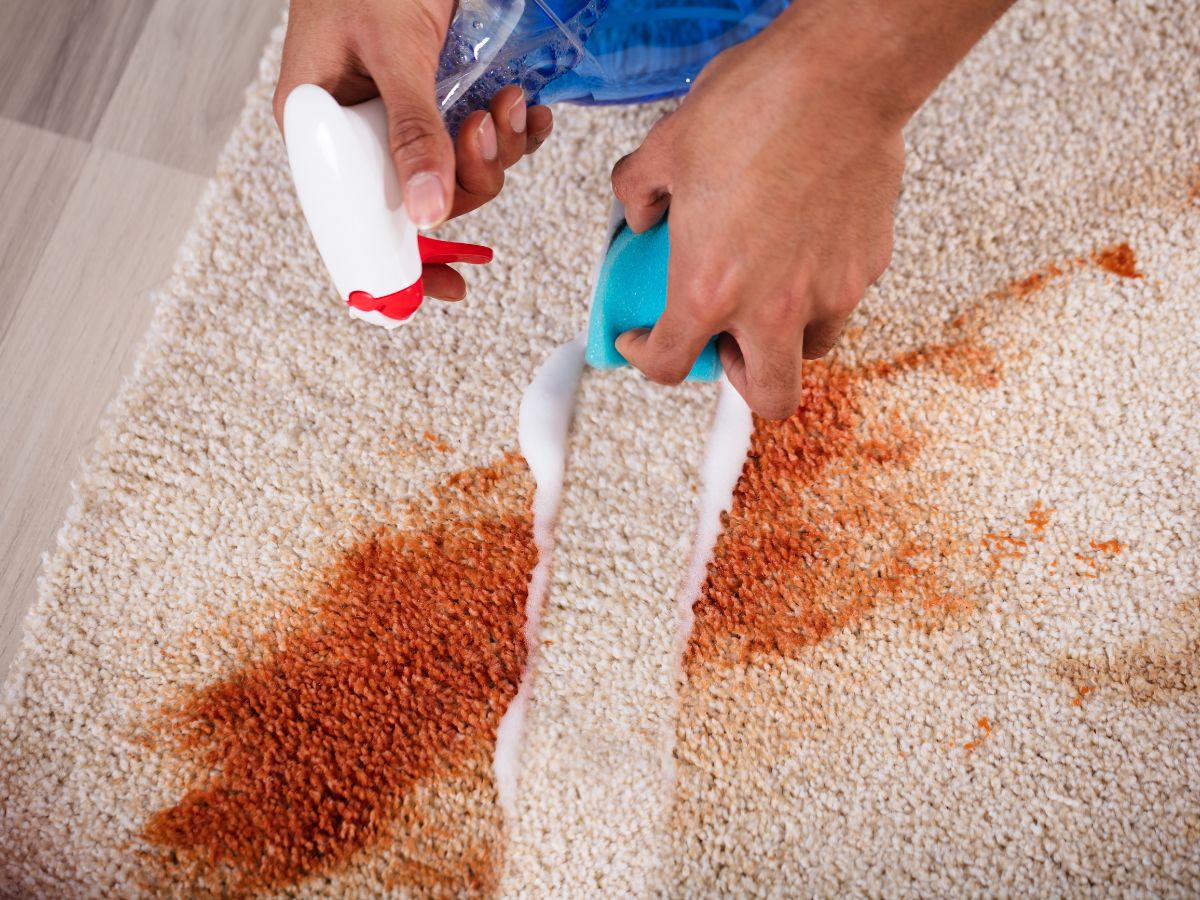
You clean your rug expecting a fresher home, but instead, the odor gets stronger. If your rug smells worse after cleaning, you are not alone. Many homeowners across Manhattan and NYC run into this after DIY cleaning or improper steam treatments: the rug looks cleaner, yet the room suddenly smells musty, damp, or full of old pet odors. The good news is that this usually has a clear cause and can often be fixed before it gets serious. Below, we explain why rugs sometimes smell worse after cleaning, what may be hiding in the fibers, and how professional care can safely restore freshness.
Why Can Rugs Smell Worse After Cleaning?
Rugs collect far more than visible dirt. Deep in the fibers, they trap dust, body oils, bacteria, allergens, pet hair, food particles, and moisture that build up over months or years. During cleaning, those hidden contaminants loosen and release into the air, making the smell seem stronger than before.
Sometimes the odor fades once the rug dries fully. But if moisture stays trapped in the backing or the process was handled poorly, the smell can linger for days. Common reasons include:
- Trapped moisture inside the rug: Excess water left behind can create mildew and bacterial growth.
- Old pet urine becoming active again: Moisture can reactivate hidden urine crystals deep in the fibers.
- Improper drying: Rugs that dry too slowly develop damp, musty odors.
- Leftover cleaning residue: Shampoo and detergent buildup trap dirt and bacteria.
Understanding the source is the first step toward fixing it correctly.
Is Trapped Moisture the Biggest Problem?
Often, yes. Trapped moisture is a leading cause of odors after cleaning, especially in Manhattan apartments where ventilation can be limited. When too much water is used or extraction is insufficient, moisture remains deep in the padding and lower fibers, creating ideal conditions for mildew and bacteria. Many people assume the rug is dry because the surface feels normal, even though the deeper layers are still damp.
Signs your rug still holds moisture:
- Check underneath: The top may feel dry while the backing still holds moisture and odor-causing bacteria.
- Improve airflow immediately: Open windows and run fans to speed drying and cut mildew risk.
- Hold off on furniture: Heavy pieces trap moisture and slow drying.
- Watch humidity: Smaller NYC apartments with limited ventilation dry more slowly than expected.
Can Pet Odors Come Back After Cleaning?
Absolutely. One of the biggest reasons people say their rug smells worse is that old pet urine reactivates when moisture is introduced. Even if the visible stain disappeared long ago, uric acid crystals can stay trapped in the backing. When the rug gets damp, those crystals reactivate and release strong odors back into the air.
This is especially common in homes with dogs, cats, older pets, or repeated accidents. Store-bought sprays often mask the odor briefly but fail to remove the deeper contamination.
What often triggers pet odors again:
- Steam cleaning without deep extraction: Moisture reactivates old urine below the visible fibers.
- Overwetting: Excess water pushes odor deeper into the backing and padding.
- Delayed cleanup: Older stains get harder to remove completely.
- Heavily scented products: Fragrances mask odors without eliminating the source.
Does Improper Drying Make Odors Worse?
Yes, more often than people realize. Cleaning is only half the job; drying matters just as much. If a rug stays damp too long, bacteria multiply in the fibers and backing, creating odors people describe as musty, sour, or like wet towels. Professional cleaners use stronger extraction equipment that removes moisture far more effectively than rental machines.
Common drying mistakes:
- Leaving windows closed: Poor airflow traps moisture inside.
- Walking on damp rugs: Pressure pushes moisture deeper.
- Folding too early: Damp folded rugs invite mildew.
- Skipping fans: Air circulation helps rugs dry faster and more evenly.
Can Cleaning Products Leave Behind Bad Smells?
Yes. Low-quality shampoos often leave sticky residue in the fibers, which attracts dirt, bacteria, and moisture over time. Heavily fragranced products mask odors rather than remove the source, so the smell returns once the scent fades. At Vapor Cleaning Pros, steam-focused methods are designed to clean fibers deeply while reducing excess moisture and residue buildup.
Product-related problems that cause odors:
- Too much shampoo: Excess gets trapped in thick fibers.
- Improper rinsing: Leftover residue attracts dirt and moisture.
- Harsh chemicals: Some create strong chemical odors in enclosed apartments.
- Repeated use of rental machines: Household machines often lack the extraction power for deep cleaning.
What Can You Do to Remove Rug Odors?
The right fix depends on the cause, but a few safe steps can help before the problem worsens.
Improve ventilation. Opening windows and running fans help moisture evaporate faster and lower the risk of mildew.
Use baking soda carefully. A light layer can absorb mild odors; let it sit for a few hours, then vacuum thoroughly. Handle delicate or antique rugs with care, as powder residue can settle into sensitive fibers.
Avoid rewashing repeatedly. Many people panic and clean again, but that usually adds moisture and pushes bacteria deeper instead of solving the problem.
Schedule professional steam cleaning. Professional extraction removes deep moisture, embedded dirt, pet contamination, odor-causing bacteria, and residue buildup. If your rug keeps smelling musty, it may be time to get a quote from experienced NYC rug-cleaning specialists, learn more about oriental rug cleaning cost, and learn more about rug cleaning pricing before scheduling service.
Why Professional Rug Cleaning Makes a Difference
Professional cleaning goes well beyond the surface. Technicians evaluate the rug material, moisture levels, contamination source, and the safest method before starting, which protects the rug while removing buildup left by ordinary machines. It typically delivers:
- Better odor removal: Deep extraction targets bacteria, pet contamination, and trapped residue instead of masking odors.
- Faster drying: Stronger equipment removes moisture more effectively, reducing mildew.
- Improved freshness: Removing dust, allergens, and buildup makes the whole room feel cleaner.
- Safer care for delicate rugs: Proper methods protect wool, antique, silk, and luxury rugs.
Routine professional maintenance makes a real difference in cleanliness, long-term care, and controlling area rug cleaning cost over time.
Ready to Get Rid of Lingering Rug Odors?
A rug that smells worse after cleaning usually indicates that moisture, bacteria, or hidden contamination are still trapped inside. Ignoring it can let odors spread and eventually lead to mildew. The right professional approach can completely change how your rug looks, feels, and smells. If you are tired of lingering odors in your Manhattan apartment or NYC property, now is a good time to book professional area rug cleaning Manhattan residents trust for deep cleaning without excess moisture or residue.
Frequently Asked Questions
Why does my rug smell musty after cleaning?
A musty smell usually means moisture is trapped in the backing or fibers. Slow drying lets mildew and bacteria grow beneath the surface.
Is it normal for rugs to smell after steam cleaning?
A mild, temporary odor in the first 24 hours as the rug dries can be normal. Strong or worsening smells usually signal trapped moisture or deeper contamination.
Can the smell of pet urine come back after cleaning?
Yes. Old uric acid crystals in the rug can reactivate when moisture is reintroduced during cleaning.
How long does a rug take to dry after professional cleaning?
Most rugs dry within 6 to 24 hours, depending on airflow, humidity, rug thickness, and extraction method.