If you have ever sat on a couch and thought about what actually makes it feel the way it does, you are already halfway to understanding upholstery fabric. Most people pick furniture based on how it looks, without realizing that the fabric covering it determines how long it lasts, how easy it is to clean, and how comfortable it stays over time. Fair enough. Not everyone needs to know the technical side of furniture materials until something goes wrong. But here is the thing: once you understand what upholstery fabric is and how different types behave, you make smarter choices about what you buy, how you maintain it, and when to call in a professional. This guide covers all of that in plain, straightforward terms.
What Is Upholstery Fabric?
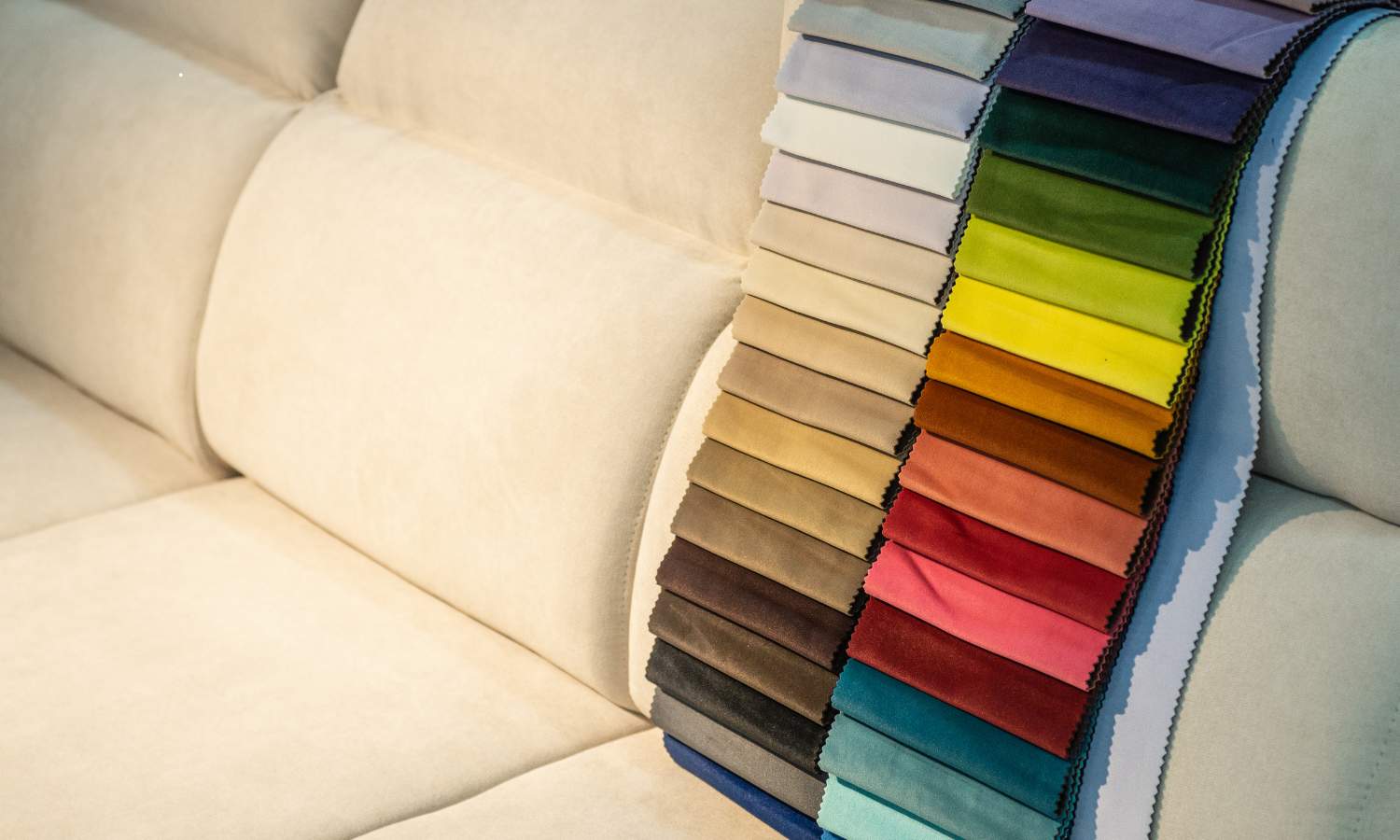
Upholstery fabric is the material used to cover furniture like sofas, armchairs, ottomans, dining chairs, and headboards. It sits atop the padding and frame, giving the piece its final look, feel, and texture. Beyond aesthetics, it plays a functional role in durability, comfort, and the furniture’s ability to withstand everyday use.
Not all upholstery fabrics are the same. Some are woven tightly for heavy use, others are delicate and better suited for decorative pieces. Understanding the difference helps you care for your furniture properly.
Common Types of Upholstery Fabric
Microfiber
Microfiber is one of the most popular upholstery choices for homes with kids or pets. It is made from finely woven synthetic fibers, which makes it resistant to stains, easy to wipe down, and durable under daily use. It also tends to dry faster after cleaning, which is a practical advantage.
Cotton
Cotton upholstery is breathable, soft, and comfortable. It works well in moderate-use settings but can wrinkle and stain more easily than synthetic options. Cotton blends are common because mixing it with other fibers improves its durability without sacrificing softness.
Linen
Linen has a natural, textured look that works well in modern and minimalist interiors. It is strong and breathable but can be prone to wrinkling and staining if not treated carefully. Professional cleaning is often recommended for linen upholstery to avoid water spotting or shrinkage.
Velvet
Velvet delivers a rich, luxurious appearance that is hard to replicate with other materials. It is made from tightly woven fibers with a soft pile that can flatten under pressure or improper cleaning. Velvet requires gentle handling and specialized cleaning methods to preserve its texture.
Polyester and Synthetic Blends
Polyester is affordable, colorfast, and resistant to fading and wrinkles. When blended with natural fibers, it creates upholstery that combines the best qualities of both. Synthetic blends are commonly found in everyday furniture because they balance cost, comfort, and durability well.
Leather and Faux Leather
Leather is a premium upholstery material known for its longevity and easy surface cleaning. It does not absorb odors or allergens the way fabric does, but it requires conditioning to stay supple. Faux leather offers a similar look at a lower price point but may crack or peel with heavy use over time.
How Upholstery Fabric Affects Cleaning Needs
The fabric type on your furniture directly determines what cleaning methods are safe to use. This is one of the most practical reasons to know what you are working with. Different materials also vary in their cleaning product compatibility, making it important to choose solutions that will not damage or discolor the fabric. Upholstery can also influence indoor air quality upholstery by holding onto dust, allergens, and other particles when it is not cleaned regularly.
- Microfiber responds well to light moisture and gentle extraction
- Cotton and linen need controlled moisture to prevent shrinkage or water staining
- Velvet requires low-moisture methods and soft brushing to avoid crushing the pile
- Synthetic blends are generally more forgiving but still benefit from professional care
- Leather needs conditioning treatments rather than steam or water-based cleaning
Using the wrong method on the wrong fabric can leave permanent damage, which is why fabric assessment before cleaning is always the right first step. At Vapor Cleaning Pros, every upholstery cleaning in NYC starts with a material check before any equipment touches the surface, ensuring everything from everyday sofas to luxury furniture cleaning projects receives the right level of care.
Signs Your Upholstery Fabric Needs Professional Attention
Fabric does not always signal problems loudly. Sometimes the signs are subtle until the damage is already done.
- Fabric looks dull or flat even after vacuuming
- Stains that have been sitting for more than a few days
- A persistent odor even when the surface appears clean
- Texture changes like stiffness, pilling, or uneven softness
- Visible discoloration in high-contact areas like armrests and seat cushions
If any of these sound familiar, routine couch cleaning in Manhattan or a deeper fabric treatment may be exactly what the furniture needs before the damage becomes harder to reverse.
How to Extend the Life of Any Upholstery Fabric
Keeping upholstery in good shape does not require a complicated routine. A few consistent habits go a long way.
- Vacuum upholstery weekly to remove dust, pet hair, and dry debris before it works deeper into the fibers
- Rotate and flip cushions regularly to distribute wear evenly across the surface
- Blot spills immediately instead of rubbing, which pushes the liquid further into the fabric
- Keep furniture out of direct sunlight to prevent fading and fiber degradation
- Schedule professional cleaning every 12 to 18 months, depending on household activity and fabric type. Pairing routine maintenance with seasonal deep cleaning helps remove embedded dirt, allergens, and stains before they can shorten the life of your upholstery.
These small steps protect the investment you made in your furniture and keep it looking and feeling its best for longer.
Conclusion
Upholstery fabric is more than just the outer layer of your couch or armchair. It defines how your furniture feels, how long it lasts, and what kind of care it needs to stay in good condition. Knowing the difference between fabric types puts you in control of better buying decisions and smarter maintenance habits.
When your upholstery is ready for a professional refresh, schedule a cleaning with Vapor Cleaning Pros and let a team that understands fabric do the job right the first time.
Frequently Asked Questions
What is the most durable upholstery fabric for everyday use?
Microfiber and polyester blends are among the most durable options for high-traffic homes. They resist staining, hold their shape well, and are easier to clean than natural fiber alternatives.
Can all upholstery fabrics be steam cleaned?
Not all of them. Delicate materials like velvet and linen require low-moisture methods to avoid damage. A professional cleaner will assess the fabric type before choosing the appropriate cleaning approach.
How do I know what type of upholstery fabric my couch has?
Most furniture comes with a care tag sewn into the cushion or frame. The tag uses letter codes such as W for water-based cleaning, S for solvent-based, and X for vacuuming only. If the tag is missing, a professional can identify the fabric before cleaning.
How often should upholstery fabric be professionally cleaned?
Most upholstery benefits from professional cleaning every 12 to 18 months. Homes with pets, children, or allergy sufferers may benefit from more frequent service depending on usage.
Does upholstery fabric affect indoor air quality?
Yes, it can. Fabric upholstery traps dust, allergens, pet dander, and bacteria over time. Regular vacuuming and periodic deep cleaning help maintain healthier indoor air quality.


