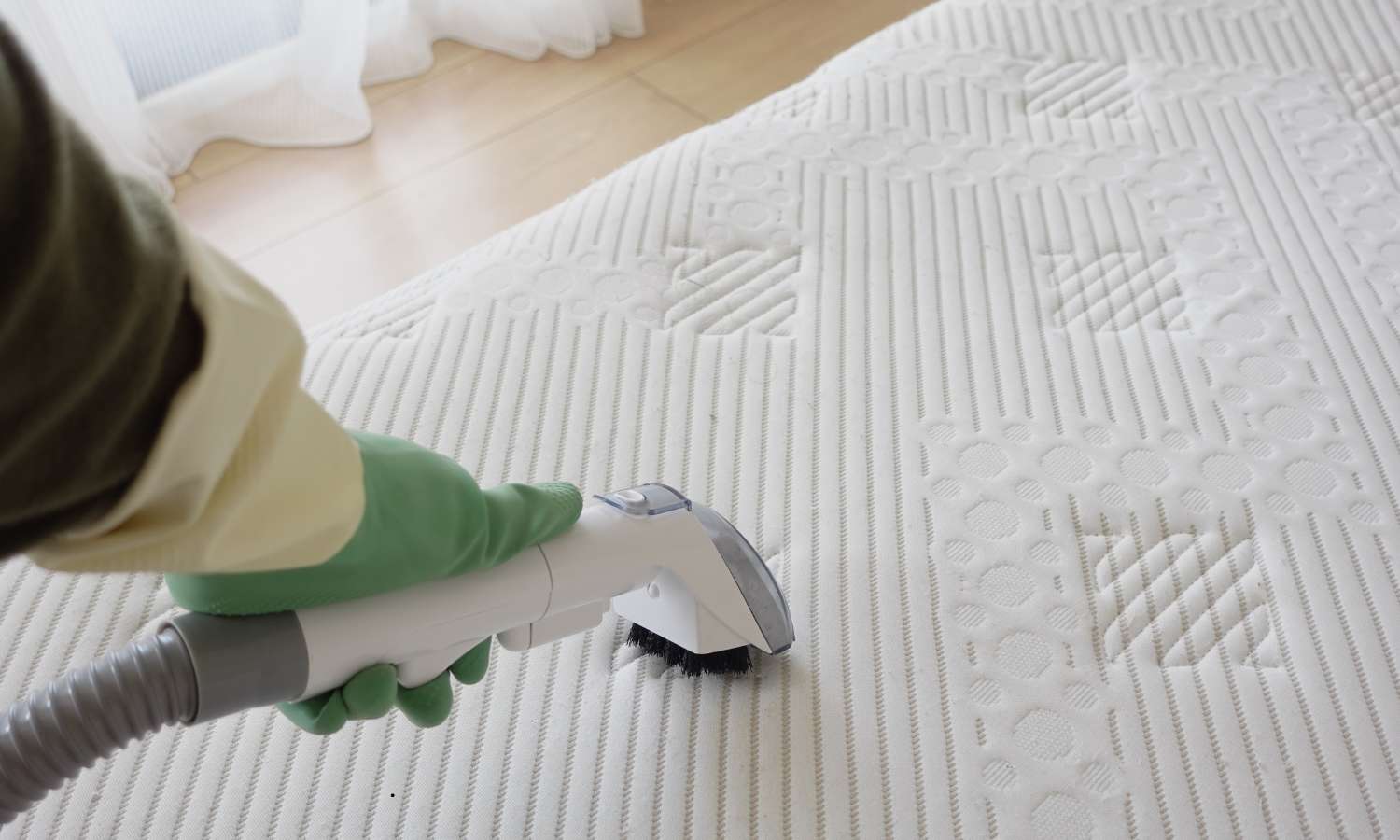
You look at the stain on your mattress, then glance at the upholstery cleaner under your sink and wonder if it would do the job. It is a completely reasonable thought. Both are fabric surfaces, both collect stains, and upholstery cleaners are designed to be gentle on soft materials. But using upholstery cleaner on a mattress is not as straightforward as it might seem, and getting it wrong can lead to moisture problems, residue buildup, or damage to the materials inside. This guide breaks down what you need to know before you spray anything on your mattress, what actually works, and when to leave it to professionals who handle fabric surfaces every day.
Is It Safe to Use Upholstery Cleaner on a Mattress?
The short answer is: it depends on the product and how it is applied. Some upholstery cleaners are formulated with ingredients that are safe for use on mattress fabric. Others contain solvents or fragrances that can irritate skin on a surface you sleep on every night.
The bigger concern is moisture. Mattresses are thick and do not dry the same way a couch cushion does. If too much liquid gets into the layers, it creates an environment where mold and bacteria thrive, which creates a different problem than the one you were trying to solve.
Before using any product on a mattress, check the label for skin safety, alcohol content, and whether it requires rinsing.
When an Upholstery Cleaner Can Work on a Mattress
If the product is water-based, free from harsh solvents, and used sparingly, it can be appropriate for surface-level stains on mattress fabric. The keyword here is sparingly. A light application, blotted rather than rubbed, followed by thorough drying, is the only responsible way to use it. While these products are often marketed for car upholstery stain removal, they can sometimes be used on mattress fabric when the manufacturer’s instructions specifically indicate they are safe for similar materials.
Situations where a mild upholstery cleaner may be acceptable include:
- Fresh, surface-level spills that have not soaked through the fabric
- Light discoloration on the outer fabric layer only
- Spot treatment on a small, isolated area rather than broad application
Always test on a hidden corner of the mattress first and let it dry completely before assessing the result.
Stains That Need More Than a Standard Upholstery Cleaner
Some mattress stains involve biological material that requires an entirely different approach. Knowing the Best Pet Stains Cleaning Method can be particularly useful when dealing with urine, vomit, or other pet-related messes that may require enzymatic treatment rather than a standard upholstery cleaner.
Urine Stains
Urine contains proteins and uric acid that standard upholstery cleaners do not fully break down. An enzymatic cleaner designed specifically for biological stains works far more effectively and eliminates odor at the source rather than masking it.
Blood Stains
Cold water is essential here. Hot water or steam sets blood into fabric permanently. A mild solution of cold water and a small amount of hydrogen peroxide can lift fresh blood stains without damaging most mattress fabrics.
Sweat and Body Oil Buildup
This type of buildup happens gradually and covers large surface areas. Spot treatment with upholstery cleaner does not address the full scope of the issue. Professional mattress cleaning in NYC uses steam extraction to sanitize the full surface and remove accumulated oils and allergens from deep within the fabric.
The Real Risk: Overwetting a Mattress
The most common mistake people make when cleaning a mattress is using too much liquid. Unlike a sofa cushion that can be removed and set in an open space to dry, a mattress sits flat on a bed frame and dries very slowly, especially in enclosed bedrooms with limited airflow.
Overwetting causes:
- Mold and mildew growth inside the mattress layers
- Persistent musty odors that do not go away with surface cleaning
- Breakdown of foam or spring materials inside the mattress
- Health risks for people sleeping on a damp surface
This is why proper mattress odor prevention starts with controlling moisture, removing spills promptly, and ensuring the mattress dries completely after any cleaning treatment.
What Professional Mattress Cleaning Does Differently
Professional cleaning equipment sanitizes the entire mattress surface with steam that penetrates deeper into the fabric than any spray-and-wipe method. It removes dust mites, allergens, bacteria, and surface stains without saturating the internal layers. Homeowners looking for Mattress Steam Cleaning Upper East Side services often choose this method because it provides a deeper clean while minimizing excess moisture.
At Vapor Cleaning Pros, mattress cleaning in Brooklyn and across the boroughs follows the same fabric-first approach used on all upholstery. The surface material is assessed before any cleaning begins, ensuring the cleaning method is appropriate for the mattress.
Safe DIY Steps for Light Mattress Stains
If you want to handle a fresh, minor stain before calling a professional, here is a safe approach:
- Strip the bedding immediately and blot the stain with a dry cloth
- Apply a small amount of mild upholstery cleaner or diluted dish soap to a cloth, not directly to the mattress
- Gently blot the stained area without pressing liquid deeper into the surface
- Follow with a dry cloth to absorb remaining moisture
- Aim a fan directly at the surface and allow it to dry completely before making the bed
Conclusion
Using upholstery cleaner on a mattress can work in limited, surface-level situations, but it carries real risks if applied too liberally or on the wrong type of stain. The safest and most thorough option for a genuinely clean, sanitized mattress is Professional Mattress Cleaning Bronx homeowners can rely on, with steam cleaning that removes what you can see and what you cannot.
Take the guesswork out of mattress care. Book a professional mattress cleaning with Vapor Cleaning Pros and sleep on a surface that has been deep cleaned, not just surface-treated.
Frequently Asked Questions
Can upholstery cleaner damage a mattress?
Yes, if it contains harsh solvents or is applied in large amounts, it can damage the outer fabric or contribute to moisture buildup inside the mattress. Always use products sparingly and check labels for skin safety before applying anything to a sleep surface.
What is the safest cleaner to use on a mattress?
Mild, water-based upholstery cleaners, enzymatic sprays for biological stains, and diluted dish soap are among the safer options for spot treatment. Avoid products with bleach, alcohol, or strong fragrances.
How do you dry a mattress after cleaning?
Increase airflow in the room immediately after cleaning. Use a fan pointed directly at the surface, open windows if possible, and avoid remaking the bed until the mattress feels completely dry to the touch, which can take several hours.
How often should a mattress be professionally cleaned?
Most sleep hygiene experts recommend professional mattress cleaning once or twice a year. Homes with allergies, pets, or young children may benefit from more frequent service.
Does professional steam cleaning kill dust mites in mattresses?
Yes. The high temperatures used in professional steam cleaning are effective at killing dust mites, bacteria, and other allergens that accumulate in mattress fabric over time.


