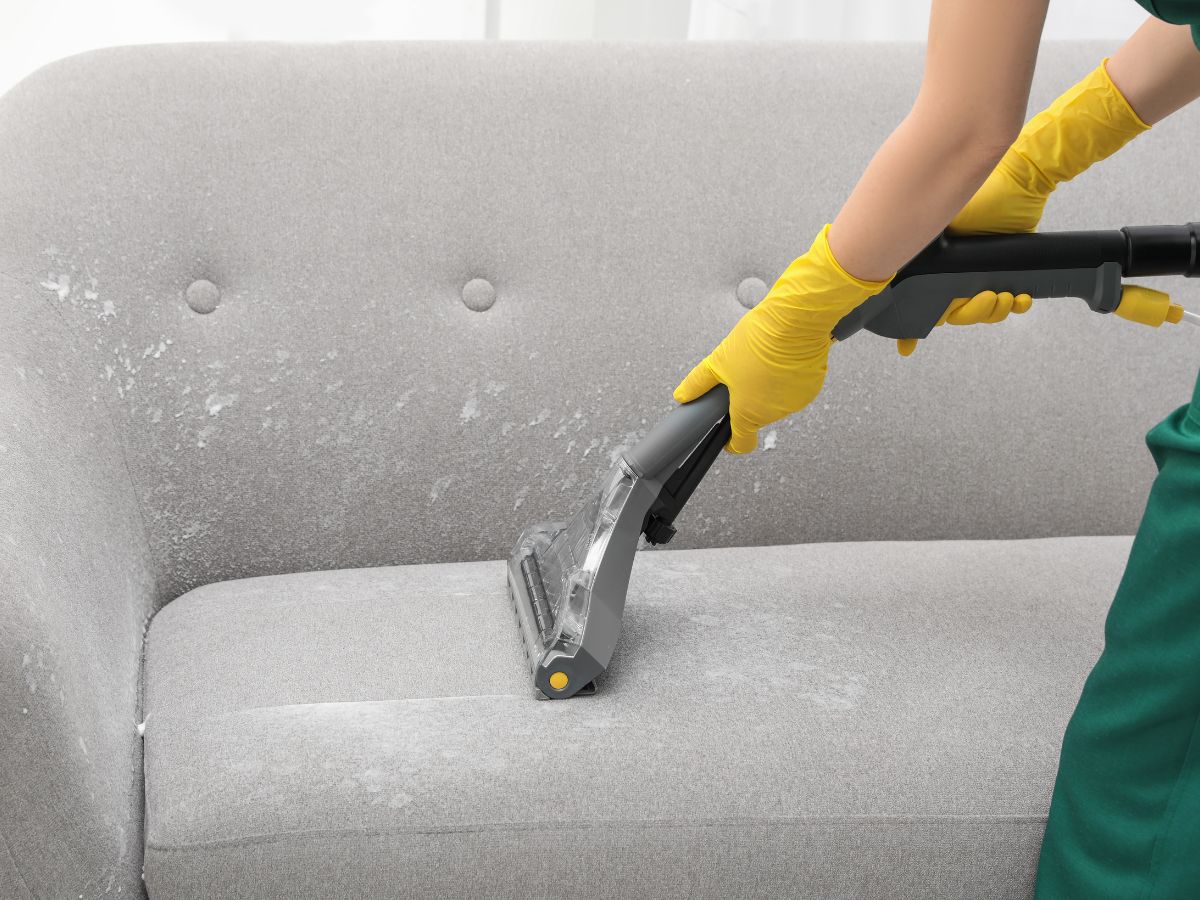
Upholstery cleaning cost depends on furniture size, fabric type, stain severity, odor treatment needs, and overall condition. Larger pieces with delicate fabrics or high soiling cost more than smaller, durable, lightly soiled furniture. Most homes benefit from professional cleaning every 12 to 24 months.
If you have started researching upholstery cleaning costs, you have probably noticed that no single price applies to every couch, chair, or sectional. That can be frustrating when you are just trying to plan a budget. Pricing becomes much easier to understand once you know what shapes it. This guide breaks down what affects upholstery cleaning prices, why different pieces require different approaches, and how professional cleaning protects your furniture investment. While upholstery and carpet care are different services, issues like mold after carpet cleaning often highlight the importance of proper moisture control during any professional cleaning process.
Why does upholstery cleaning cost vary?
Upholstery cleaning costs vary because not all furniture requires the same time, labor, equipment, or method. A small accent chair takes a very different process than a large sectional with years of buildup. Quotes reflect the actual work involved, not a flat rate per item.
The main factors that influence upholstery cleaning cost:
- Furniture size: Larger pieces require more time, solution, and attention.
- Fabric type: Delicate materials often need specialized cleaning methods.
- Stain severity: Heavily stained furniture needs additional treatment.
- Odor removal: Pet, smoke, and moisture-related smells often require deeper cleaning.
- Overall condition: Furniture with heavy buildup takes more time to restore.
Because every piece is different, professional cleaners typically inspect upholstery before providing a final quote.
Does furniture size affect upholstery cleaning cost?
Yes, size is one of the biggest cost drivers. Larger furniture takes more labor, cleaning solution, extraction time, and drying management. A loveseat usually cleans faster than a sectional with multiple sections, cushions, and more fabric.
How do different furniture pieces compare in cleaning effort?
- Accent chairs: Smaller surfaces, quicker cleaning.
- Recliners: Multiple angles and fabric folds need extra attention.
- Loveseats: Moderate size, between chairs and full sofas.
- Full-size sofas: More fabric area, more cleaning time.
- Sectionals: Multiple sections and cushions add up to a high cost.
The amount of fabric and cushion area directly drives the scope of the work.
How does fabric type influence pricing?
Fabric type affects pricing because different materials require different cleaning approaches. Some fabrics are durable and easy to clean; others need specialized treatment to protect texture, color, and appearance. Cleaners always identify the material before choosing a method.
How common upholstery materials compare:
- Microfiber: Responds well to standard extraction cleaning.
- Cotton: Needs balanced moisture control to prevent shrinking or rings.
- Linen: Delicate fibers benefit from gentler techniques.
- Velvet: Specialized care preserves the pile and texture.
- Specialty or designer fabrics: Often require customized cleaning solutions.
Generally, the more delicate the fabric, the higher the cost, because more time and care are involved.
Do stains affect upholstery cleaning cost?
Yes. Stain treatment is one of the most significant cost factors. Fresh spills are far easier to address than stains left for months or years, and certain substances penetrate deep into the fibers, requiring additional treatment.
Stains that often add to cleaning cost:
- Coffee and tea: Dark liquids settle deep into the fibers.
- Food and grease: Oils and sauces leave behind residue that needs targeted treatment.
- Pet accidents: Both stains and odors usually need specialized care, including pet odor removal couch services to eliminate lingering smells at the source.
- Ink: Some inks are difficult to fully remove.
- Mud and ground-in dirt: Embedded soil requires deep extraction.
Earlier treatment produces better results at lower cost, which is why addressing spills quickly always pays off.
Why is professional upholstery cleaning worth considering?
Professional upholstery steam cleaning Manhattan homeowners rely on is worth considering because it goes well beyond appearance. Whether you need upholstery cleaning Staten in Island or service elsewhere in NYC, furniture collects allergens, dust, body oils, and bacteria every day, and deep cleaning removes contamination that vacuuming alone cannot reach.
What professional upholstery cleaning typically delivers:
- Cleaner-looking furniture as the buildup is lifted and the color brightens
- Better odor control by removing the contamination at the source
- Improved indoor freshness as trapped dust and allergens are cleared
- Longer furniture lifespan when abrasive debris stops grinding on the fibers
- Better comfort from upholstery that feels fresher and softer
For many homeowners, regular cleaning is part of maintaining a healthier living space, not just cleaner-looking furniture.
Can DIY cleaning save money?
DIY upholstery cleaning may seem cheaper, but it often costs more in the long run. Rental machines and household sprays usually lack the extraction power to remove deep-seated contamination and, in some cases, create new problems that require a professional to fix. Understanding the low-cost cleaning risks associated with bargain products and improper techniques can help homeowners avoid expensive repairs or permanent damage to their furniture.
Common DIY mistakes:
- Too much water: Excess moisture gets trapped in cushions.
- Soap residue: Incomplete extraction makes fabric stiff and dirt-attracting.
- Wrong products: Some cleaners damage upholstery fibers or strip color.
- Aggressive scrubbing: Rough cleaning changes fabric texture.
- Incomplete drying: Lingering moisture creates odors and increases the risk of mildew.
Professional cleaning reduces these risks while delivering deeper results through quick dry upholstery cleaning methods.
What makes professional upholstery cleaning different?
Professional upholstery cleaning combines specialized equipment, fabric identification, stain-treatment expertise, and controlled methods that DIY tools cannot match. At Vapor Cleaning Pros, we select cleaning methods based on the specific fabric and condition to achieve thorough results while protecting delicate materials.
Benefits of professional service:
- Fabric-specific methods: Each material gets the right care.
- Deep extraction: Removes dirt and contaminants from below the surface.
- Better moisture control: Strong extraction shortens drying.
- Targeted stain treatment: Methods are matched to stain type and fabric.
- Long-term care: Routine maintenance preserves upholstery quality over the years.
The result is cleaner furniture, better comfort, and far less risk of damage.
How often should upholstery be professionally cleaned?
Most upholstery professionals recommend deep cleaning every 12 to 24 months. Homes with children, pets, allergies, or heavy daily use often benefit from cleaning every 6 to 12 months. If you are preparing to relocate, scheduling upholstery cleaning before moving can help ensure your furniture is fresh and clean before it is packed, transported, and placed in your new home.
Signs your upholstery is due:
- Lingering odors trapped in the fabric
- Dull or faded appearance from gradual buildup
- More allergy symptoms indoors than usual
- Stains that have become harder to remove
- Less fresh feel even after vacuuming
Regular maintenance reduces the need for expensive restoration later.
Ready to refresh your upholstery?
Understanding upholstery cleaning cost and upholstery drying time after cleaning starts with recognizing that furniture size, fabric type, stain conditions, and cleaning requirements all play a role.Every piece is different, but professional cleaning consistently delivers long-term value by protecting appearance, comfort, and cleanliness. If your couch, sectional, recliner, or upholstered chairs need professional attention, now is a good time to get a quote or book cleaning with experienced NYC professionals.
Frequently Asked Questions
What affects upholstery cleaning cost the most?
Does a sectional cost more to clean than a sofa?
Usually yes. Sectionals require more time, labor, and attention because of their larger size and multiple seating sections.


