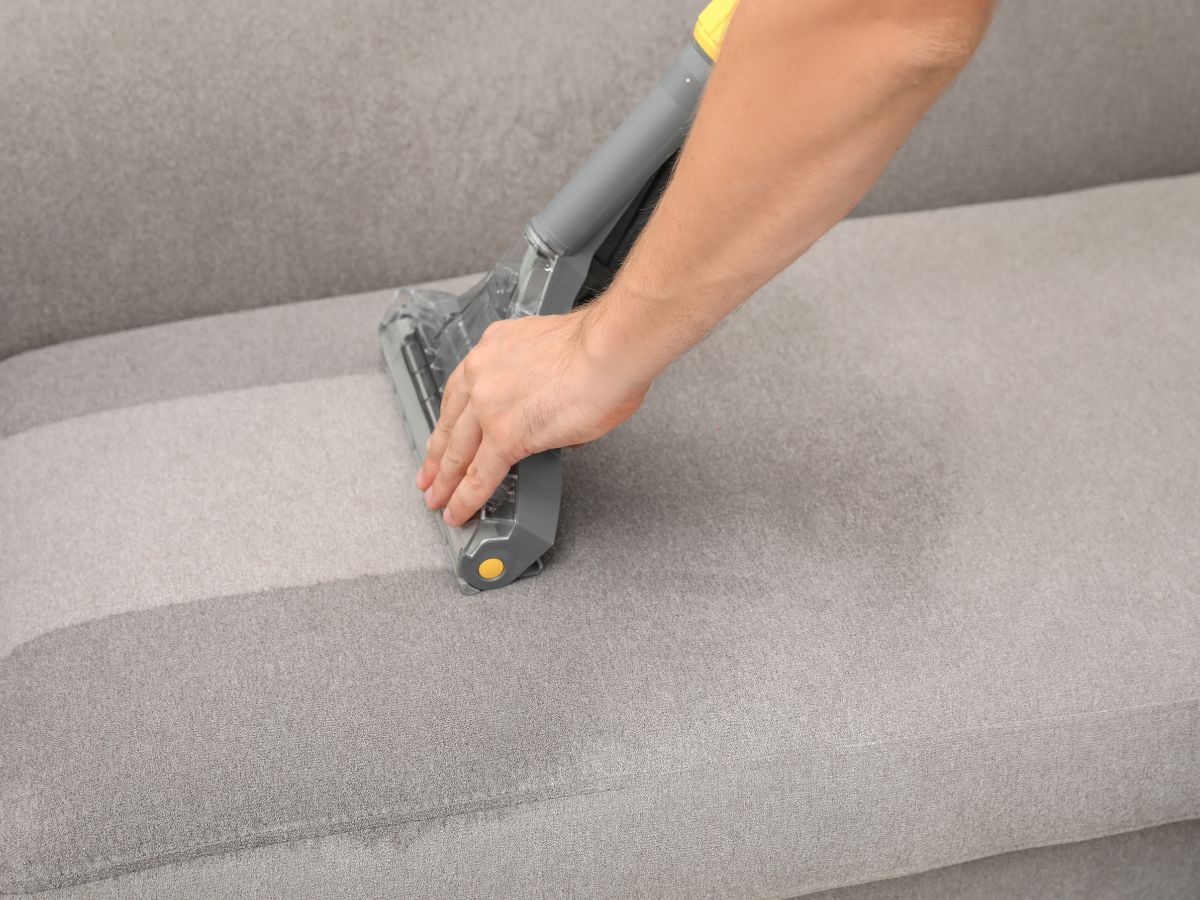
Fast-dry upholstery cleaning typically dries in 1 to 4 hours, compared to 6 to 24 hours for traditional steam cleaning. The exact time depends on fabric type, cushion density, indoor humidity, and airflow.
When you schedule upholstery cleaning, one of the first questions is how soon you can use your furniture again. That matters in busy Manhattan households where couches and chairs are used every day. Modern fast-dry cleaning is designed to clean deeply without leaving furniture damp for the rest of the day. This guide explains how long it actually takes, what affects drying speed, and how professional methods balance deep cleaning with quick recovery.
What is fast-dry upholstery cleaning?
Fast-dry upholstery cleaning is a low-moisture method that uses controlled water and powerful extraction to clean fabric thoroughly while drastically reducing drying time. Unlike older techniques that saturated furniture with water, modern systems clean effectively while keeping moisture to a minimum.
What makes fast-dry cleaning different:
- Lower moisture use: Only the amount needed for effective cleaning.
- Strong extraction: Powerful suction removes moisture immediately after cleaning.
- Fabric-specific methods: Each material gets a customized approach to avoid overwetting.
- Airflow techniques: Professional setups speed up evaporation during the drying phase.
The result is cleaner furniture without long downtime.
How long does fast-dry upholstery cleaning usually take?
Most furniture cleaned with fast-dry methods is dry within 1 to 4 hours under normal indoor conditions. Traditional steam cleaning, by comparison, often takes 6 to 24 hours and sometimes longer in humid weather.
What affects the exact drying window:
- Fabric type: Some fibers release moisture faster than others.
- Cushion density: Thicker cushions hold moisture longer.
- Indoor humidity: Higher humidity slows evaporation.
- Airflow: Better circulation noticeably shortens drying time.
For most Manhattan apartments with average ventilation, the lower end of that range is realistic when low-moisture equipment is used.
Why does fabric type affect drying speed?
Different fabrics absorb and release moisture at very different rates, which is why professional cleaners always identify the material before choosing a method. Some weaves let moisture evaporate quickly; others hold it deep in the fibers.
How common upholstery fabrics respond:
- Microfiber: Dries relatively quickly because the fibers release moisture efficiently.
- Cotton: Holds moisture slightly longer, depending on thickness and weave.
- Linen: Requires careful moisture control because it is a natural fiber and sensitive.
- Velvet: Delicate texture often requires specialized low-moisture cleaning.
- Synthetics: Most synthetic blends dry faster than natural fibers.
Matching the cleaning method to the fabric is the single biggest factor in safe, fast drying.
What can slow down drying time?
Even with fast-dry methods, certain conditions extend the timeline. None of these signals a problem; they just shape how long moisture takes to leave the fabric.
Common factors that slow drying:
- High indoor humidity: Moist air slows evaporation.
- Poor ventilation: Limited airflow traps moisture around the furniture.
- Oversized sectionals: More fabric and padding mean more moisture to release.
- Heavy soil buildup: Deep cleaning may require additional cleaning passes.
- Cooler temperatures: Lower room temperatures reduce the rate of evaporation.
Knowing what affects drying helps set realistic expectations after a cleaning appointment.
How can you help furniture dry faster?
A few small adjustments after cleaning make a noticeable difference. The goal is to increase airflow and reduce humidity in the room.
Easy ways to speed up drying:
- Open windows when possible: Fresh air helps moisture evaporate more efficiently.
- Run ceiling fans: Consistent airflow shortens drying.
- Use portable fans: Directed airflow lifts moisture from the surface.
- Turn on air conditioning: Lower humidity is one of the strongest accelerators.
- Keep blankets and throw pillows off the cushions: Covering them traps moisture, slowing evaporation.
These steps create the ideal drying environment without any extra equipment.
Does fast-dry cleaning still clean deeply?
Yes. A common misconception is that faster drying means a lighter clean. In reality, modern equipment is built to maximize extraction while minimizing moisture, so fast-dry methods can still reach contaminants trapped deep in the fabric. This is especially useful for households dealing with pet-related messes and pet stain removal, where thorough extraction can help address both visible marks and lingering odors.
What fast-dry cleaning removes:
- Dust and allergens are trapped inside upholstery fibers
- Pet dander hidden below the surface
- Body oils and residue from daily use
- Light to moderate stains common in household furniture
- Odor-causing contamination that affects overall freshness
The method targets both the surface and deeper soil, which makes the shorter drying time possible without compromising results.
Why does professional equipment make a difference?
Drying speed depends heavily on the equipment. Household machines often apply more moisture than they can extract, which leaves furniture damp for far longer than necessary. Professional systems are engineered specifically to pull moisture out as efficiently as they put it in.
At Vapor Cleaning Pros, we focus on deep cleaning with minimal moisture exposure. Benefits of professional cleaning include:
- Stronger extraction power: More moisture is removed during cleaning, not after.
- Faster drying: Less residual moisture means furniture can be returned to use sooner.
- Better fabric protection: Controlled methods reduce stress on the fibers.
- Deeper cleaning results: Extraction reaches what surface methods miss.
- Lower odor risk: Quick drying prevents the musty smells that can follow oversaturation.
The combination is one of the key professional upholstery cleaning advantages, allowing cleaner furniture with significantly less downtime.
How often should upholstery be professionally cleaned?
Most upholstery professionals recommend deep cleaning every 12 to 24 months. Homes with pets, children, allergies, or heavy daily use often benefit from cleaning every 6 to 12 months.
Signs your upholstery is due:
- Lingering odors that signal hidden contamination and the need for upholstery deodorizing Bronx
- Dull or discolored fabric from gradual buildup
- More allergy symptoms indoors than usual
- Stains that have become harder to remove
- Furniture that feels less fresh even after vacuuming
Regular maintenance preserves both appearance and long-term fabric quality while helping homeowners get more value from their upholstery cleaning cost over time.
Ready to enjoy cleaner furniture without the long wait?
Fast-dry upholstery cleaning offers the best of both options: deep results and short drying times. Using controlled moisture and strong extraction, professional cleaning removes dirt, allergens, and odors while allowing furniture to return to normal use within hours rather than days. If your couch, sectional, or chairs need professional attention, now is a good time to get a quote or book cleaning with experienced NYC professionals or a trusted cleaning company Queens residents rely on for deep cleaning and fast drying times.
Frequently Asked Questions
How long does fast-dry upholstery cleaning take to dry?
Is fast-dry upholstery cleaning as effective as traditional cleaning?
Yes. Professional fast-dry methods deliver deep cleaning while using less moisture, which also helps prevent residue and lingering odors.
What upholstery fabrics dry the fastest?
Microfiber and most synthetic blends dry faster than thicker natural fibers like cotton, linen, and velvet.


