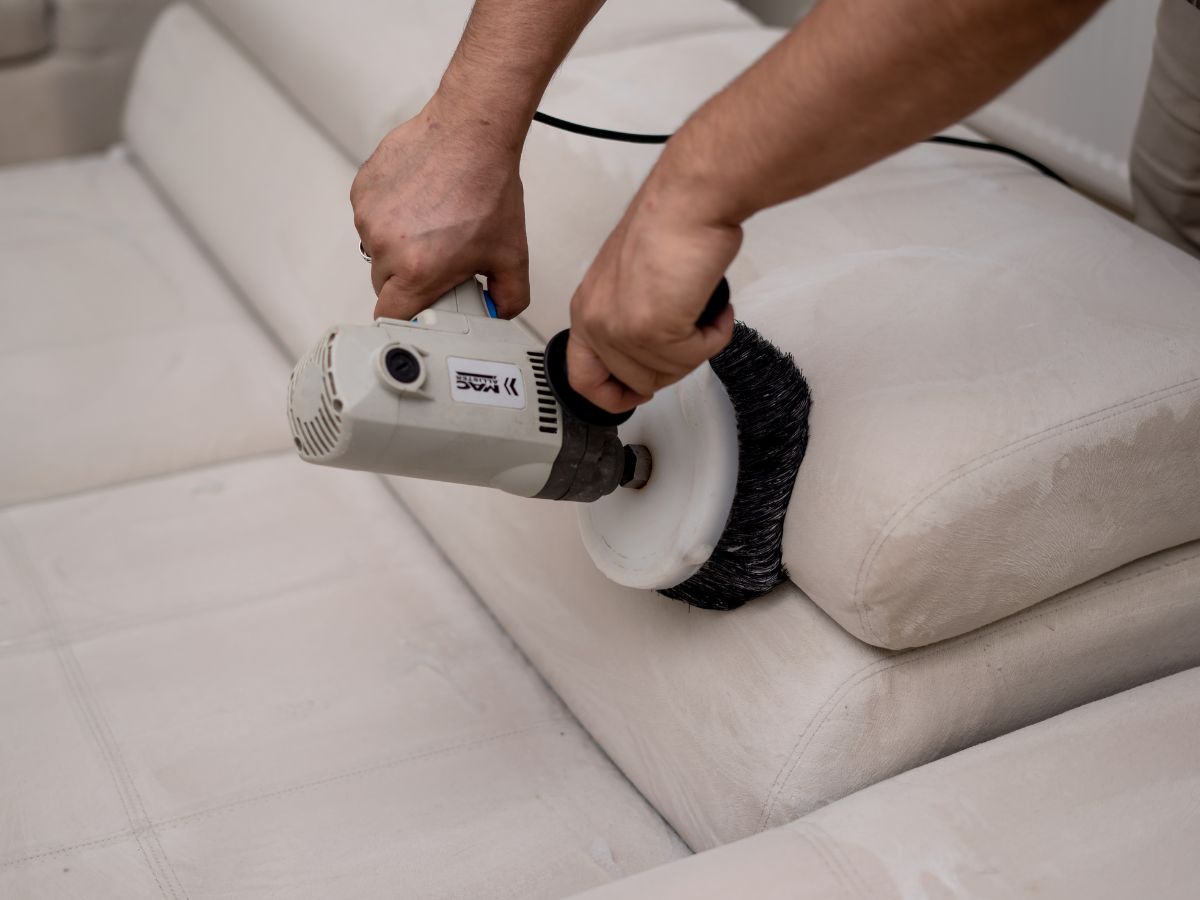
If you have ever looked at your couch and wondered what is actually best for cleaning fabric sofa surfaces without damaging the material, you are definitely not alone. Many homeowners across Manhattan and NYC, including those searching for Couch & Sofa Cleaning in Upper East Side, struggle with stains, odors, dust buildup, and dull-looking upholstery but feel nervous about using the wrong cleaning products or methods. The good news is that fabric sofas can often be cleaned safely and effectively when the right approach is used for the specific upholstery material. In this guide, we are going to explain the best ways to clean fabric sofas, what mistakes to avoid, and why Professional Fabric Care and expert upholstery cleaning help protect comfort, softness, and long-term fabric quality.
Why Fabric Sofas Get Dirty So Quickly
Fabric sofas collect much more than visible dirt over time. Everyday use allows dust, body oils, sweat, allergens, pet hair, food particles, and bacteria to settle deep into the upholstery fibers and cushions.
Even if the couch looks relatively clean on the surface, hidden buildup often continues collecting underneath.
Here are some common reasons fabric sofas become dirty quickly:
- Daily body contact affects upholstery: Body oils and sweat gradually build up inside the fabric.
- Food and drink spills soak into cushions: Small spills often spread deeper than expected.
- Pet hair and dander collect easily: Upholstery fibers trap allergens and odor-causing particles.
- Dust settles into the fabric regularly: NYC apartments naturally collect airborne dust and debris over time.
- Moisture creates odor problems: Humidity and spills can lead to musty smells inside cushions.
Routine maintenance helps reduce buildup before it becomes harder to remove.
What Is the Best Method for Cleaning Fabric Sofas?
The best cleaning method depends on the fabric type, stain condition, and overall couch usage. In many cases, professional steam extraction cleaning provides the safest balance between deep cleaning and fabric protection.
Steam cleaning helps remove dirt, bacteria, oils, and allergens trapped below the upholstery surface, making mattress steam cleaning Brooklyn homeowners trust an effective solution for a healthier home.
Here Is What Professional Fabric Sofa Cleaning Typically Helps Improve
- Better odor removal: Deep extraction cleaning targets bacteria and trapped contamination inside the cushions.
- Improved upholstery appearance: Removing dirt buildup restores brightness and softness to the fabric, helping soften sofa upholstery and improve overall comfort.
- Healthier indoor freshness: Deep cleaning helps reduce allergens, pet dander, and dust trapped inside the couch.
- Safer stain treatment: Professional methods help improve stains without aggressively damaging upholstery fibers.
- Longer furniture lifespan: Routine maintenance reduces wear caused by embedded dirt and residue.
Professional cleaning works best when the fabric type and moisture levels are handled carefully, a key part of quick dry mattress cleaning methods.
Does Fabric Type Affect Cleaning Methods?
Absolutely. One of the biggest mistakes homeowners make is assuming all fabric sofas can be cleaned the same way. Different upholstery materials respond differently to moisture, heat, and cleaning products.
Some fabrics tolerate steam extraction well, while others require gentler low-moisture cleaning approaches. For example, professionals use specialized techniques to clean chenille furniture without flattening its soft texture or damaging its delicate fibers.
How Different Upholstery Fabrics Respond to Cleaning
- Microfiber sofas: Usually respond well to extraction cleaning and dry relatively quickly afterward.
- Cotton upholstery: Requires balanced moisture control to avoid shrinking or discoloration.
- Linen couches: Delicate fibers often need gentler cleaning methods with less moisture exposure.
- Velvet furniture: Sensitive texture requires specialized care to protect softness and appearance.
- Synthetic fabrics: Durable materials usually tolerate deeper cleaning more effectively.
Professional upholstery cleaners inspect fabric carefully before choosing the safest cleaning process.
Can DIY Upholstery Cleaning Damage Fabric Sofas?
Yes, and this happens more often than people realize. Many homeowners use rental upholstery machines, harsh cleaners, or homemade solutions without realizing certain products may damage the fabric or leave residue behind.
Improper cleaning can lead to:
- Stiff upholstery texture
- Water stains
- Color fading
- Lingering odors
- Mildew growth
- Residue buildup
This is especially common when couches are overwet or dried too slowly inside apartments with limited airflow.
A Few Common DIY Upholstery Cleaning Mistakes
- Using too much cleaning product: Excess soap often dries inside the fabric and creates stiffness afterward.
- Scrubbing stains aggressively: Rough brushing can damage upholstery fibers and texture.
- Overwetting cushions: Trapped moisture increases mildew and odor risk.
- Skipping proper extraction: Household machines often leave residue and moisture deep inside the couch.
Using the wrong cleaning method may create larger problems than the original stain itself.
Why Steam Cleaning Works Well for Fabric Sofas
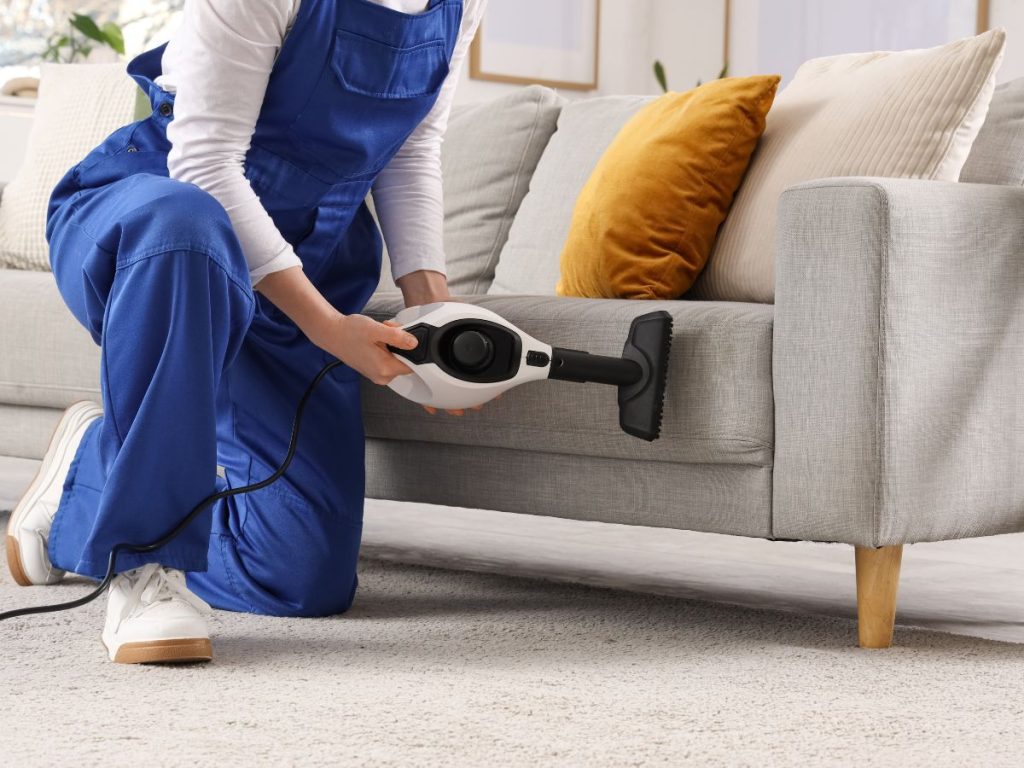
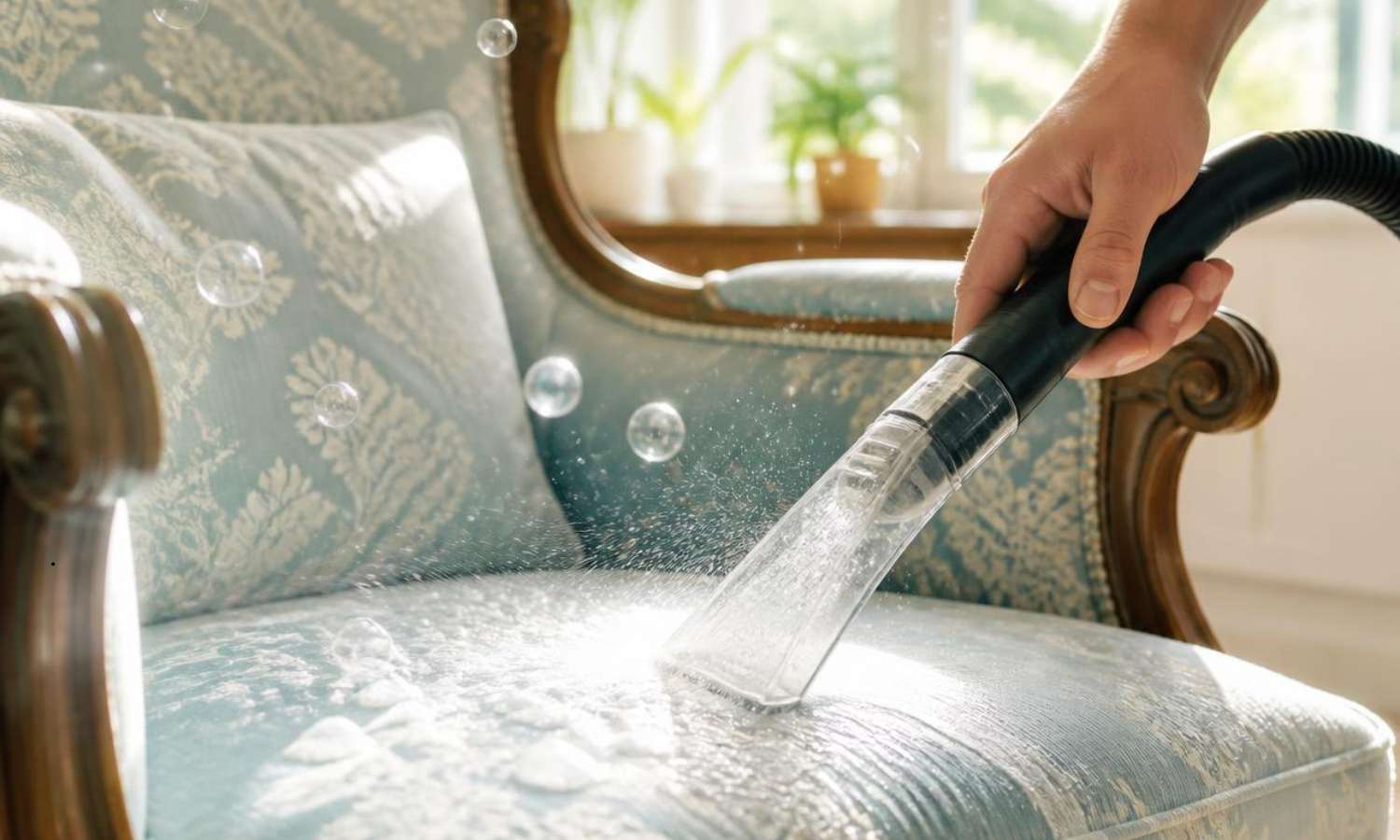
Professional steam cleaning is popular because it combines deep cleaning with strong extraction power. Hot water extraction helps loosen dirt and bacteria trapped inside upholstery fibers while removing much of the contamination from below the surface.
At Vapor Cleaning Pros, upholstery cleaning methods are designed to deeply clean couches while minimizing excess moisture and protecting delicate fabrics.
Here Is Why Professional Steam Cleaning Often Produces Better Results
- Deep extraction removes hidden buildup: Dirt, allergens, and oils trapped inside cushions can often be removed more effectively.
- Strong suction reduces moisture: Proper extraction helps couches dry faster after cleaning.
- Controlled cleaning methods protect fabric: Professional cleaning balances moisture and fabric sensitivity carefully.
- Odor-causing bacteria are reduced: Deep cleaning helps improve freshness throughout the couch.
- Upholstery appearance improves noticeably: Cleaner fibers often feel softer and look brighter afterward.
Professional steam cleaning works best when combined with proper drying and fabric-specific care.
How Can You Maintain a Fabric Sofa Between Cleanings?
Routine maintenance plays a major role in keeping upholstery cleaner and fresher between professional services. Small cleaning habits often help prevent dirt and stains from becoming deeply embedded inside the fabric.
A Few Simple Ways to Protect Fabric Sofas
- Vacuum upholstery regularly: Removing dust and debris helps prevent buildup inside the fabric.
- Clean spills quickly: Fresh stains are usually much easier to treat before they settle deeper.
- Rotate cushions when possible: Even wear helps preserve both appearance and comfort.
- Improve indoor airflow: Better ventilation helps reduce moisture and odor buildup.
- Avoid eating on light-colored upholstery: Food residue often becomes difficult to remove later.
Consistent maintenance helps reduce the need for aggressive stain removal later on.
How Often Should Fabric Sofas Be Professionally Cleaned?
Most upholstery professionals recommend deep cleaning fabric sofas every 12 to 18 months depending on pets, children, allergies, and daily use.
Homes with heavy foot traffic or pets may benefit from more frequent cleaning because upholstery naturally traps:
- Dust
- Body oils
- Pet dander
- Food particles
- Allergens
- Everyday bacteria
over time.
Signs Your Fabric Sofa May Need Professional Cleaning
- Lingering odors stay trapped inside the fabric: Musty or pet-related smells often indicate deep contamination.
- The upholstery looks dull or discolored: Dirt buildup gradually affects appearance and softness.
- Allergy symptoms increase indoors: Upholstery often traps dust mites and allergens below the surface.
- Stains become harder to remove: Older spills settle deeper into the couch over time.
Routine professional maintenance helps preserve comfort, cleanliness, and fabric quality long term.
Can Professional Cleaning Help Extend Sofa Lifespan?
Yes, regular professional upholstery cleaning helps reduce long-term wear caused by dirt and debris trapped inside fabric fibers. Over time, embedded particles slowly break down upholstery texture and softness.
Professional cleaning helps preserve:
- Fabric softness
- Upholstery color
- Cushion freshness
- Overall appearance
- Indoor cleanliness
Many Manhattan homeowners view upholstery cleaning as part of protecting an expensive furniture investment instead of simply improving appearance temporarily.
Ready to Refresh Your Fabric Sofa the Right Way?
Finding the best method for cleaning fabric sofa surfaces starts with understanding your upholstery material, cleaning needs, and the importance of proper moisture control. Whether you are dealing with stains, odors, allergens, or general dirt buildup, professional upholstery cleaning can help restore freshness while protecting delicate fabrics from unnecessary damage.
If your couch is overdue for deep cleaning, now may be the perfect time to get quote or book cleaning with experienced NYC upholstery cleaning professionals who understand how to safely clean fabric sofas without overwetting cushions or damaging fibers.