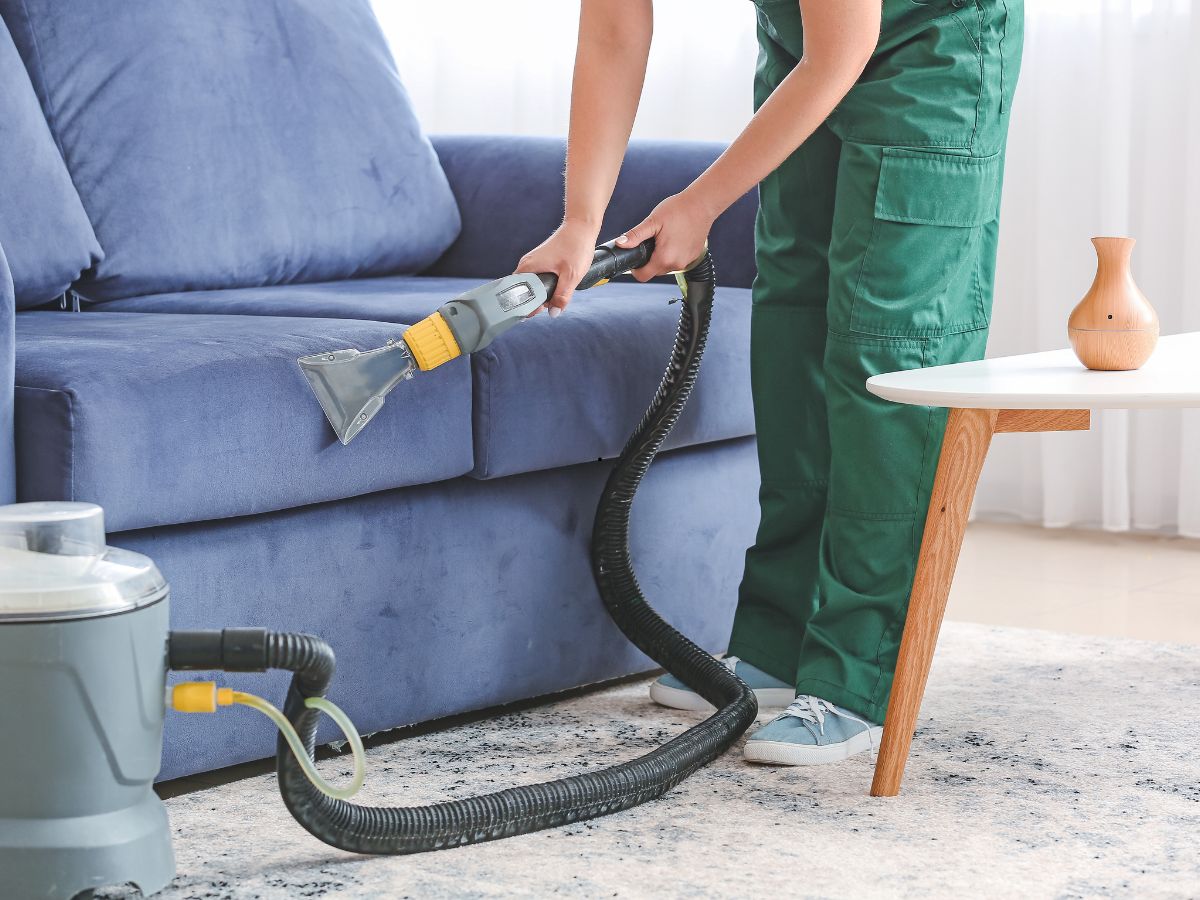
If you have been searching for couch cleaning cost, you have probably noticed that pricing can vary a lot from one company to another. Some services advertise surprisingly low prices, while others charge premium rates that leave homeowners wondering what couch cleaning should actually cost. Many Manhattan and NYC residents feel confused because couches are not all cleaned the same way. Fabric type, couch size, stains, odors, and cleaning methods all play a role in determining the final price. In this guide, we are going to explain what affects couch cleaning pricing, what homeowners in NYC typically expect to pay, and why professional cleaning can help protect your furniture investment while improving freshness inside your home.
While this guide focuses on Manhattan and NYC pricing, homeowners looking for couch cleaning in Bronx can expect similar cost factors, with pricing depending on the couch size, fabric type, stains, and the level of professional care required.
What Affects Couch Cleaning Cost?
Couch cleaning is not a flat-rate service because every couch has different materials, sizes, and cleaning needs. Cleaning a small loveseat is very different from deep-cleaning a large sectional with pet stains and years of built-up dirt.
Professional cleaners evaluate several factors before determining the final cost. Delicate fabrics and heavily used furniture often require more time, specialized products, and additional care during the cleaning process.
Here are some of the biggest factors that affect pricing:
- Couch size matters: Larger sectionals and multi-piece couches require more labor and cleaning time.
- Fabric type changes the cleaning process: Delicate materials need gentler methods to avoid damage.
- Stains and odors increase labor: Pet accidents, smoke odors, and food stains often require extra treatment including couch odor removal services.
- Dirt buildup affects cleaning time: Heavily used couches may need deeper extraction and additional passes.
- Drying time can vary: Some fabrics hold moisture longer and require controlled drying methods, which can affect couch drying time after cleaning.
Understanding these factors helps explain why couch cleaning prices vary so much throughout NYC.
Does Couch Material Affect Cleaning Price?
Absolutely. One of the biggest factors affecting couch cleaning cost is the type of fabric being cleaned. Different materials react differently to moisture, cleaning products, and extraction techniques.
Synthetic fabrics are generally easier to clean because they tolerate stronger cleaning methods. Natural and delicate materials often require more careful handling to protect the fibers, texture, and color.
Here Is How Material Can Affect Cleaning Costs
- Microfiber couches: Usually easier to clean and dry, making them more budget-friendly.
- Cotton upholstery: Requires balanced moisture control to prevent shrinking or discoloration.
- Linen couches: Delicate fibers often require gentler low-moisture cleaning methods.
- Velvet furniture: Sensitive texture requires specialized attention during cleaning and drying.
- Leather couches: Require completely different cleaning products and conditioning treatments.
Professional cleaners inspect fabric type before choosing the safest cleaning process for the couch.
What Is the Average Couch Cleaning Cost in NYC?
In Manhattan and throughout NYC, couch cleaning pricing usually depends on the size of the furniture and the level of cleaning required. Smaller couches and loveseats generally cost less because they take less time to clean and dry.
Larger sectionals, heavily stained furniture, and delicate fabrics usually increase pricing because they require additional labor and specialized care.
A Few Things That Commonly Increase Couch Cleaning Pricing
- Deep stain removal requires more treatment: Older stains often need multiple cleaning passes to improve results.
- Pet odor treatment adds extra work: Deep contamination may require deodorizing and sanitization methods.
- Oversized sectionals take longer: Multi-piece couches require more extraction and drying time.
- Delicate fabrics need specialized care: Certain upholstery materials require slower and safer cleaning approaches.
Apartment access and parking logistics in Manhattan may also affect service pricing depending on the building setup and location.
Is Professional Couch Cleaning Worth It?
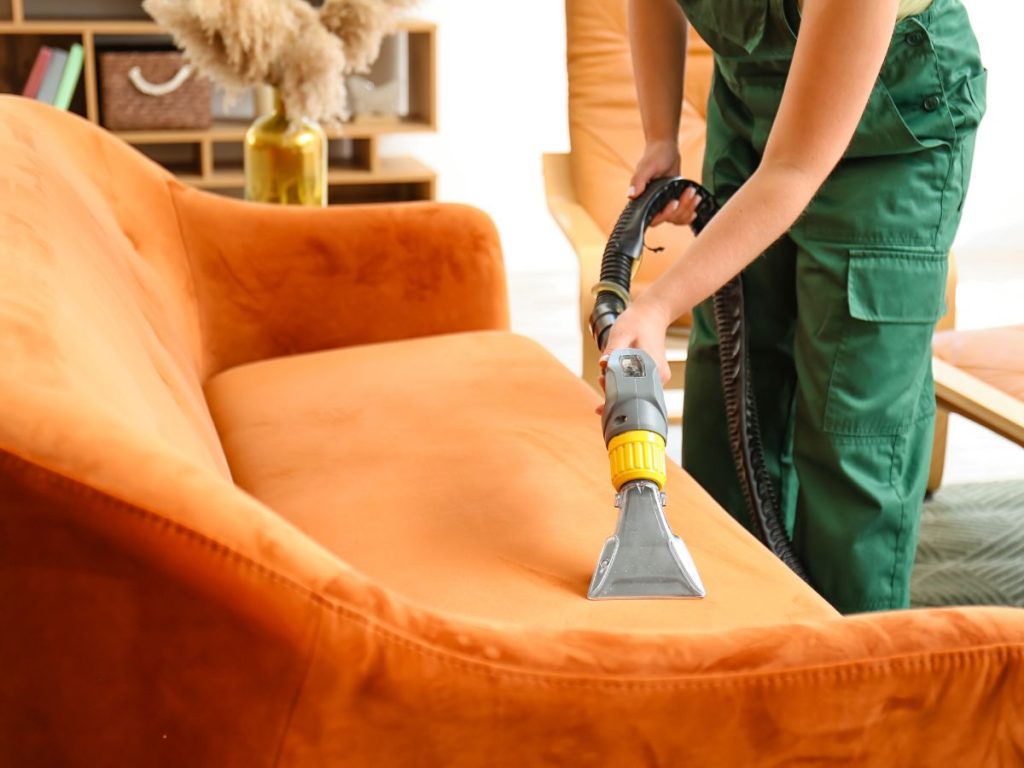
Many homeowners compare Couch Cleaning vs Renting a Carpet cleaning machine when deciding how to save money, but rental machines often lack the extraction power needed to remove deep moisture and embedded dirt properly. Choosing a professional upholstery service can provide more appropriate equipment and cleaning methods for furniture fabrics.
Improper cleaning can lead to:
- Fabric damage
- Water stains
- Lingering odors
- Mildew growth
- Discoloration
- Long drying times
At Vapor Cleaning Pros, professional couch cleaning methods are designed to deeply clean upholstery while protecting delicate fabrics and minimizing moisture buildup using advanced sofa cleaning solutions.
Here Is What Professional Couch Cleaning Typically Helps Improve
- Better odor removal: Deep extraction targets bacteria, pet contamination, and trapped residue instead of masking smells temporarily.
- Improved fabric appearance: Professional cleaning removes dirt buildup that dulls the color and texture of upholstery.
- Faster drying times: Strong extraction equipment reduces moisture and lowers mildew risk afterward, helping improve overall mattress drying time and upholstery drying performance.
- Longer furniture lifespan: Routine maintenance helps preserve couch fibers and reduce long-term wear.
- Safer cleaning for delicate upholstery: Professional methods help protect linen, velvet, leather, and specialty fabrics.
For many NYC homeowners, professional couch cleaning is viewed as furniture protection rather than simply a cosmetic cleaning service.
How Often Should Couches Be Professionally Cleaned?
The ideal cleaning schedule depends on daily usage, pets, children, allergies, and overall household activity. Couches in busy living rooms naturally collect more dirt, body oils, pet hair, and allergens over time.
Most upholstery professionals recommend deep cleaning couches every 12 to 18 months. Homes with pets, heavy use, or allergy concerns may benefit from more frequent cleaning.
Signs Your Couch May Need Professional Cleaning
- Lingering odors remain inside the fabric: Musty smells and pet odors often indicate trapped contamination.
- The upholstery looks dull or discolored: Dirt buildup gradually affects the couch’s appearance.
- Allergy symptoms increase indoors: Dust, pet dander, and allergens often collect deep inside couch fibers.
- Stains become more noticeable: Older spills usually become harder to remove over time.
- The couch feels rough or sticky: Residue and body oils can affect fabric texture and comfort.
Routine maintenance often costs far less than replacing heavily damaged furniture later.
Does Steam Cleaning Work for Every Couch?
Not always. While some upholstery can safely Steam Clean Couch surfaces when the fabric is compatible with moisture and heat, some delicate upholstery materials require alternative cleaning methods to avoid damage or shrinkage.
Professional upholstery cleaners inspect:
- Fabric type
- Dye stability
- Moisture sensitivity
- Existing stains
- Fiber condition
before selecting the safest cleaning approach.
For example, delicate linen or velvet upholstery may require lower-moisture methods compared to durable synthetic materials that tolerate stronger extraction cleaning. If you are wondering is steam cleaning safe for upholstery, the answer depends largely on the fabric’s care requirements, condition, and manufacturer recommendations.
Why Professional Fabric Inspection Matters
- Some fabrics absorb moisture quickly: Excess water may damage delicate upholstery fibers.
- Certain dyes may bleed: Older or delicate fabrics sometimes require testing before cleaning begins.
- Overwetting can create odors: Proper moisture control helps couches dry safely and evenly.
- Different stains require different treatments: Food, wine, ink, and pet stains all respond differently to cleaning solutions.
Professional evaluation helps protect furniture while improving overall cleaning results.
Can Professional Couch Cleaning Help With Allergens?
Yes, and this is one of the biggest reasons many NYC homeowners schedule routine upholstery cleaning. Couches collect dust mites, allergens, body oils, pet dander, and bacteria over time, even when the surface appears clean.
Professional extraction cleaning helps remove much of that hidden buildup from deep inside the upholstery.
Here Is What Deep Upholstery Cleaning May Help Remove
- Dust and allergens trapped inside the fabric: Deep extraction helps improve indoor cleanliness.
- Pet dander buildup: Upholstery fibers often hold allergens long after pet hair is removed.
- Body oils and sweat residue: Everyday use gradually affects freshness and fabric condition.
- Dust mites and bacteria: Professional cleaning helps reduce contamination trapped below the surface.
Clean upholstery can help create a fresher and healthier indoor environment throughout your apartment or home.
Ready to Refresh Your Couch the Right Way?
Couch cleaning cost depends on several important factors, including fabric type, couch size, stains, odors, and the level of cleaning required. While lower-cost DIY options may seem tempting, improper cleaning can lead to moisture damage, lingering odors, and shortened furniture lifespan.
Whether you need professional upholstery services in Manhattan or are searching for couch cleaning Staten in Island, choosing experienced technicians helps ensure your furniture is cleaned safely using the right methods for your specific upholstery.
Professional upholstery cleaning helps protect your couch while improving freshness, comfort, and overall appearance. If your furniture needs deep cleaning or stain removal, now may be the perfect time to get quote or book cleaning with experienced NYC professionals who understand how to safely clean delicate upholstery without overwetting fabrics.


